Odissi Dance Heritage: Discover the Soul of Odisha Through Dance
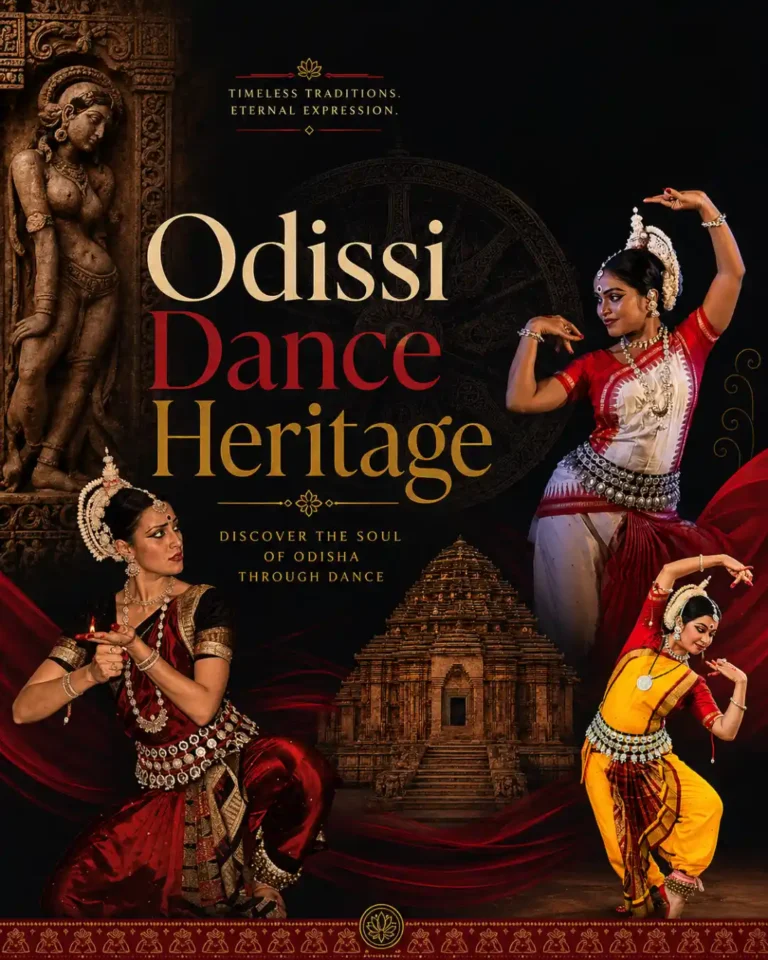
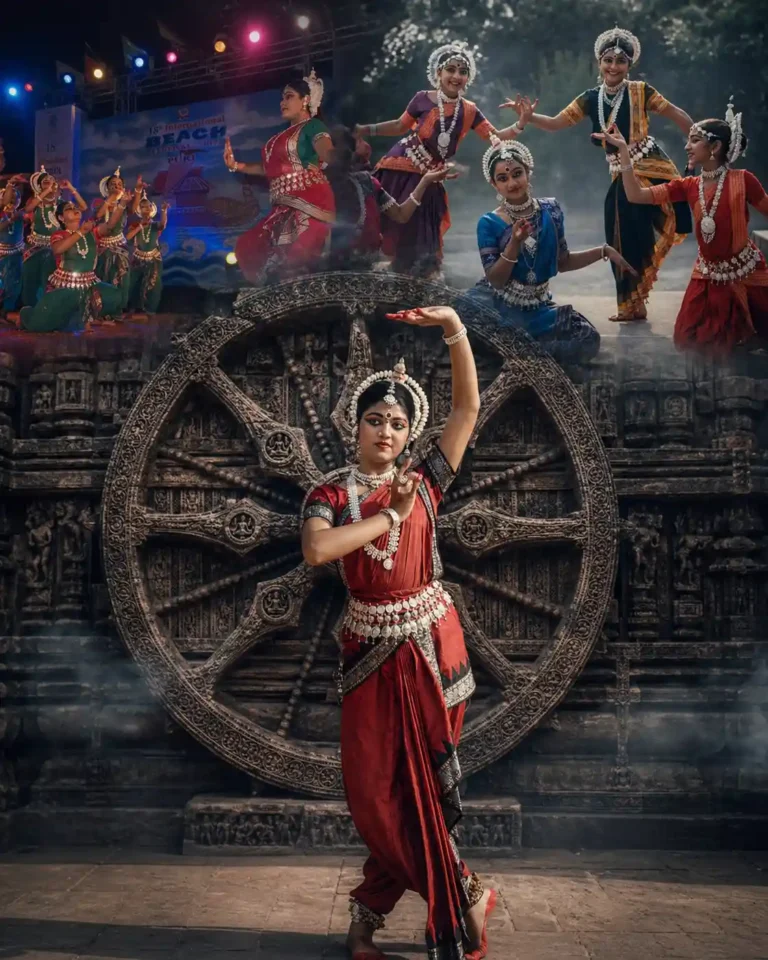
Odisha is not just a land of temples, it is a land where art breathes through every stone, every rhythm, and every movement. Among its many cultural treasures, Odissi Dance Heritage stands out as one of India’s most graceful and spiritually rich classical traditions.
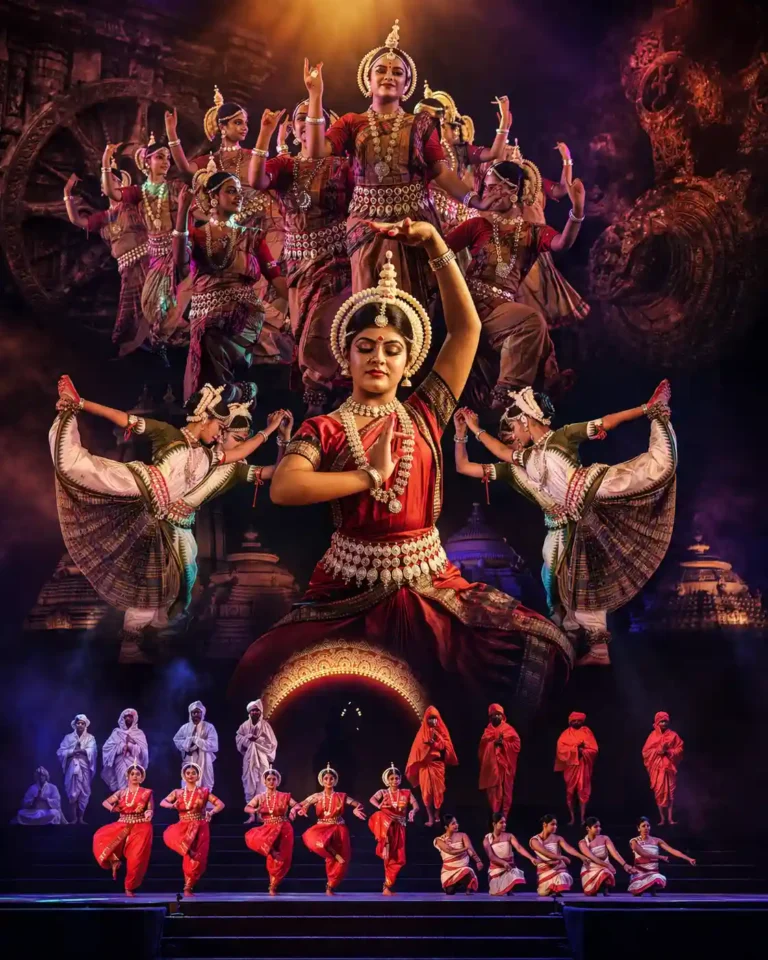
More than just a dance form, Odissi is a living expression of devotion, storytelling, and artistic brilliance. It transforms ancient temple sculptures into fluid human movement and connects centuries of tradition with modern expression.
In this blog, we will explore the history, culture, techniques, festivals, and real-life experiences that define Odissi Dance Heritage in Odisha.
Table of Contents
The Origin of Odissi Dance Heritage
Odissi is widely regarded as one of the oldest classical dance forms in India, with roots dating back over 2,000 years.
The Temple and Cave Evidence
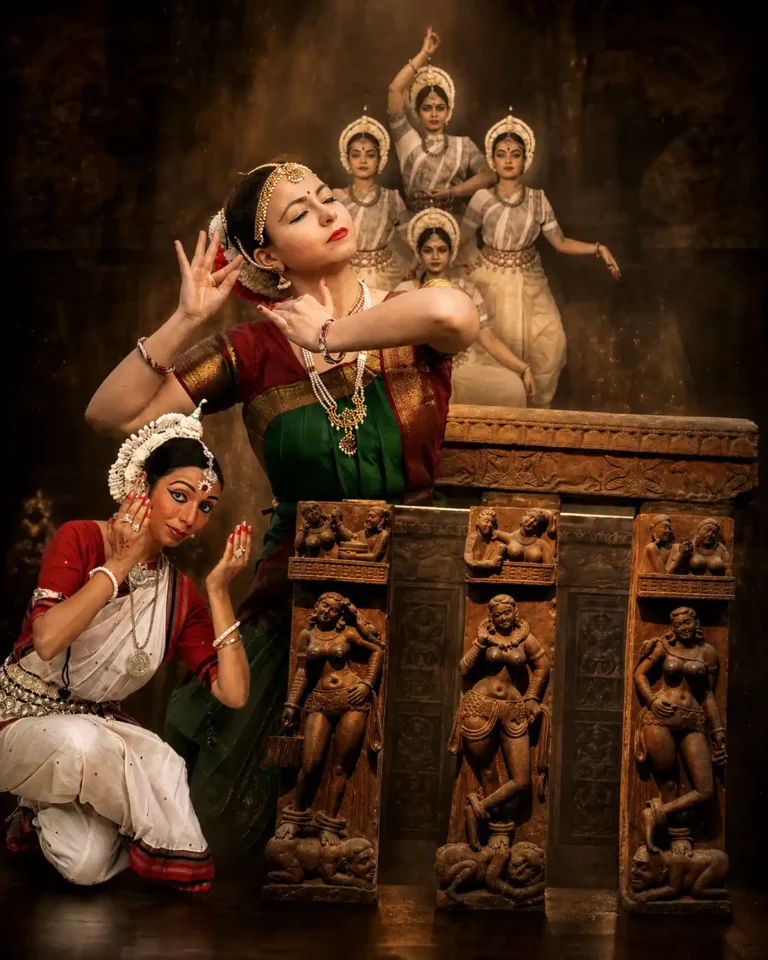
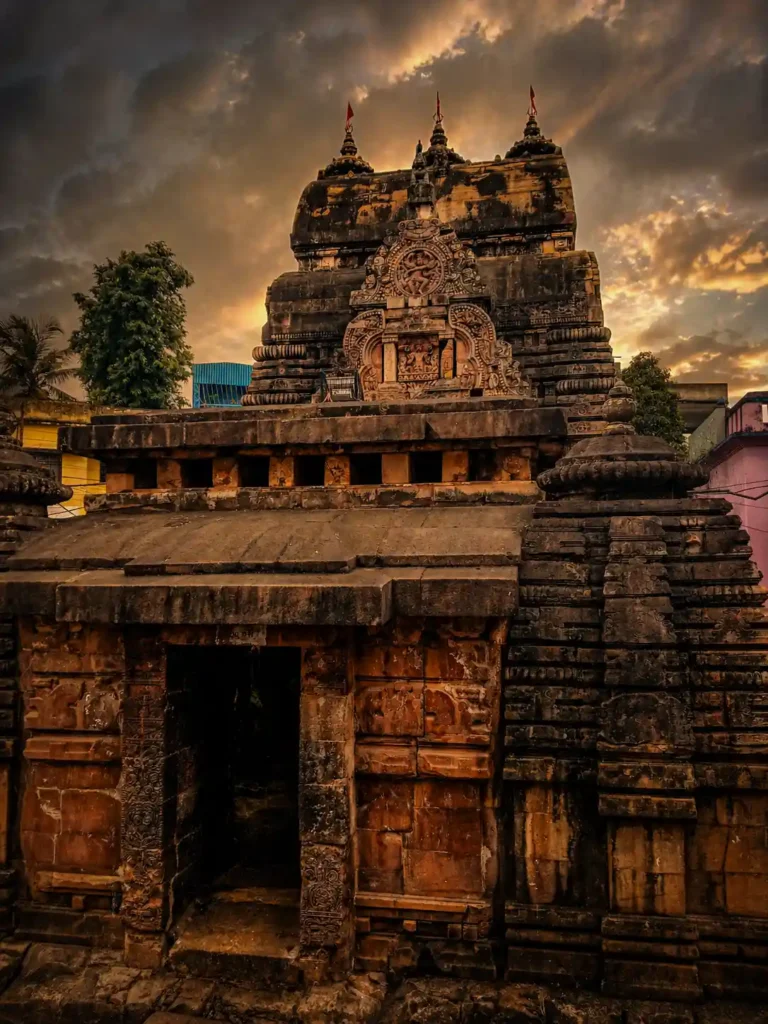
If you visit ancient sites like Udayagiri and Khandagiri, you will find sculptures of dancers carved into stone. These carvings are not decorative; they are historical proof of a sophisticated dance tradition.
These “stone poses” later became the foundation for reconstructing Odissi in modern times.
The Mahari and Gotipua Traditions
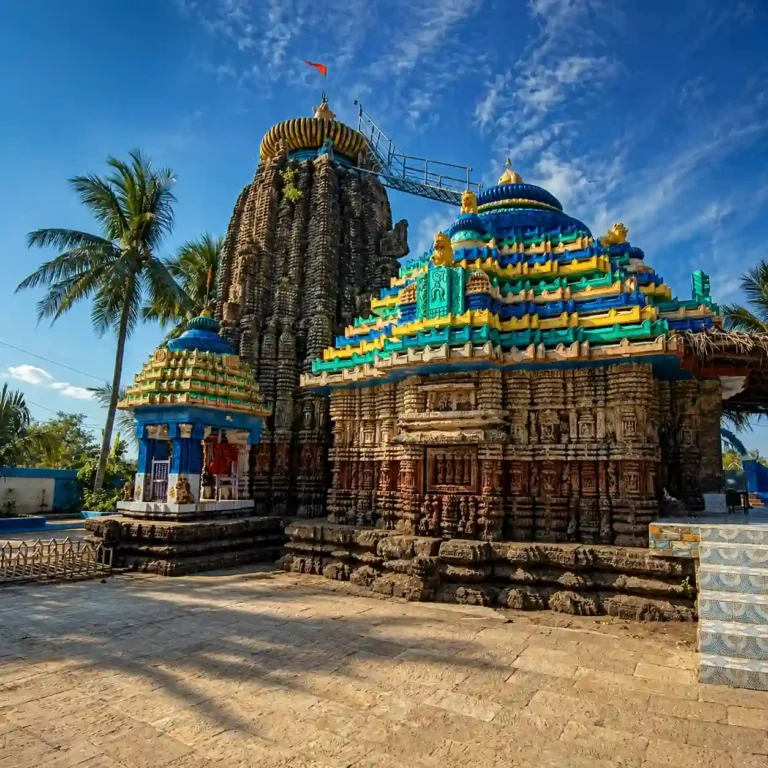
Mahari Tradition: Female temple dancers who performed sacred rituals inside the Jagannath Temple
Gotipua Tradition: Young boys dressed as female dancers who performed in public spaces
While Maharis emphasized devotion, Gotipuas added acrobatic elements and helped popularize the dance.
Decline and Revival
During British rule, Odissi nearly disappeared due to social reforms like the Anti-Nautch movement.
However, after independence, legendary gurus such as Guru Kelucharan Mohapatra revived and structured the dance form.
The Essence of Odissi Dance Culture
Odissi is known for its softness, grace, and expressive storytelling.
Tribhanga and Chowka
Tribhanga: A three-fold body bend creating a feminine, flowing shape
Chowka: A square, grounded stance representing strength and stability
Together, they symbolize the balance between grace and power.
Mudras and Abhinaya
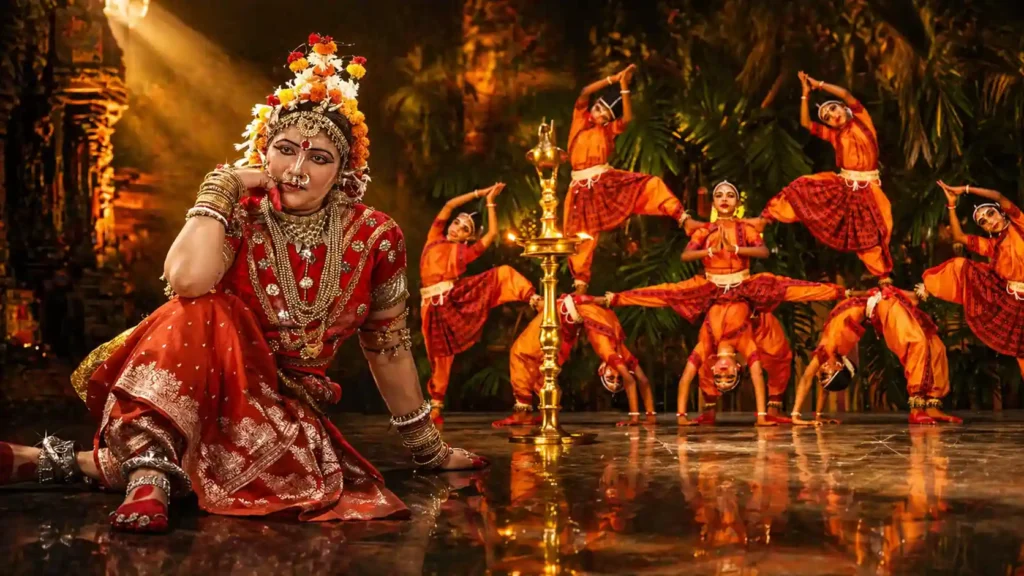
Odissi uses mudras (hand gestures), facial expressions (Abhinaya), and rhythmic footwork to narrate stories from mythology.
The music, accompanied by the Mardala, adds emotional depth to the performance.
Odissi Dance Heritage in the Modern World
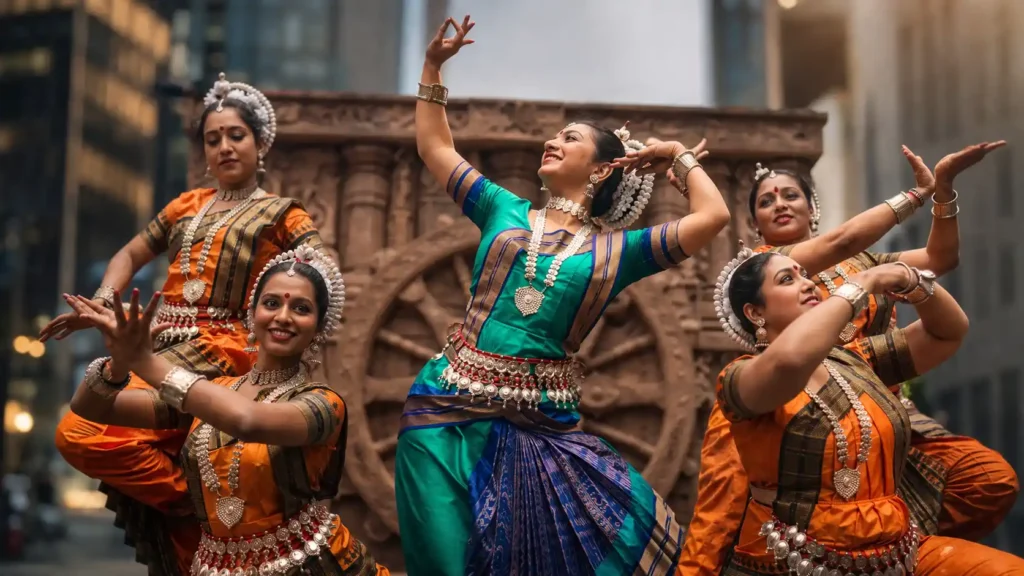
Today, Odissi is not limited to Odisha, rather it is performed across the world.
Global Recognition
Odissi dancers perform in international festivals, cultural events, and prestigious theatres.
A Living Heritage
Unlike static traditions, Odissi continues to evolve. Modern themes like social issues and environmental awareness are now expressed through this classical form.
Thus, Odissi remains both traditional and contemporary.
The Spiritual Connection of Odissi
Odissi is deeply rooted in the Jagannath tradition. For dancers, performing is not just an art—it is a form of Sadhana (spiritual practice).
The stage becomes a temple, and each performance becomes an offering.
This devotional aspect is what sets Odissi apart from many other dance forms.
Experiencing Odissi in Puri
If you truly want to experience Odissi Dance Heritage, Puri is the place to be.
Puri Beach Festival
Imagine watching Odissi performances with the Bay of Bengal as the backdrop.
The rhythmic sound of waves blends with the beats of the Mardala, creating a mesmerizing atmosphere.
Local Culture and Everyday Practice
In Puri, Odissi is not limited to stages. You can see students practicing in courtyards, schools, and temples.
Temple Performances
Small temple performances offer an intimate and powerful experience.
The combination of music, movement, and spirituality creates a deeply emotional connection.
Best Festivals to Experience Odissi Dance Heritage
Konark Dance Festival
Held near the Sun Temple
Most famous Odissi festival
Mukteswar Dance Festival
Intimate setting in Bhubaneswar
Highlights classical beauty
Dhauli-Kalinga Mahotsav
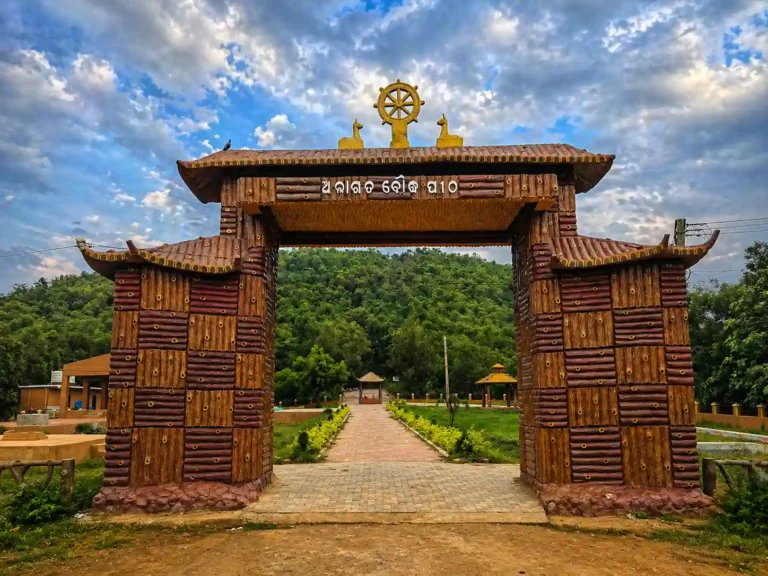
Celebrates peace through art and culture
These festivals offer the best opportunity to witness Odissi in its full glory.
People Also Ask (FAQs)
1. What is Odissi Dance Heritage?
It is one of India’s oldest classical dance traditions rooted in Odisha’s temple culture.
2. Where did Odissi dance originate?
It originated in Odisha, especially around temple traditions like Jagannath Temple.
3. What makes Odissi unique?
Its Tribhanga posture, expressive storytelling, and spiritual connection make it unique.
4. Can tourists watch Odissi performances in Odisha?
Yes, especially during festivals like Konark Dance Festival and in Puri.
5. Is Odissi still relevant today?
Absolutely. It continues to evolve and is performed globally.
Why Odissi Dance Heritage Matters Today
In today’s fast-paced world, Odissi Dance Heritage teaches patience, discipline, and mindfulness.
It reminds us that art is not just entertainment, it is a way of understanding life.
Moreover, preserving Odissi means preserving Odisha’s identity.
Plan your Odisha cultural journey today and immerse yourself in the timeless beauty of Odissi.