Trip facts
Location
Baghmari village near Atri, Khordha district
Distance
About 42 km from Bhubaneswar
Water temperature
About 56–58°C at the main tank
Bathing complex
10 AM–6 PM (confirm locally)
Temple
Hatakeswar Mahadev, a short walk away
Best time
August–March; Makara Mela in mid-January
Why Visit Atri Hot Spring?
Visitors come for the sulfur-rich thermal waters traditionally associated with skin and joint relief, while researchers study thermotolerant organisms that offer insights into how living things adapt to high temperatures under global warming. The site is maintained by Odisha Tourism and pairs naturally with the adjacent Hatakeswar Mahadev Temple.
Location, Access & Practical Details
- Exact location: Baghmari village near Atri, Khordha district, Odisha (approx. 20°09′N 85°18′E).
- Distance: About 42 km from Bhubaneswar and about 15 km west of Khordha town. The nearest railway station is Khurda Road Junction.
- How to reach: An easy road trip from Bhubaneswar through rural landscapes and paddy fields. Pair it with Barunei Hill near Khordha for a full day out.
- Best time: August to March, when cooler air makes the hot water a pleasant contrast. Avoid peak monsoon for comfort.
- Timings (typical; confirm locally): Bathing complex generally 10:00 AM–6:00 PM. Hatakeswar Mahadev Temple usually 4:00 AM–2:00 PM and 4:00 PM–8:00 PM.
- Entry: A nominal fee (historically around ₹5 for the bathing complex).
- Facilities: Bathing pools and basic amenities run by the state tourism department. Local reports in late 2025 said parts of the complex needed repair, so check current conditions before you go.

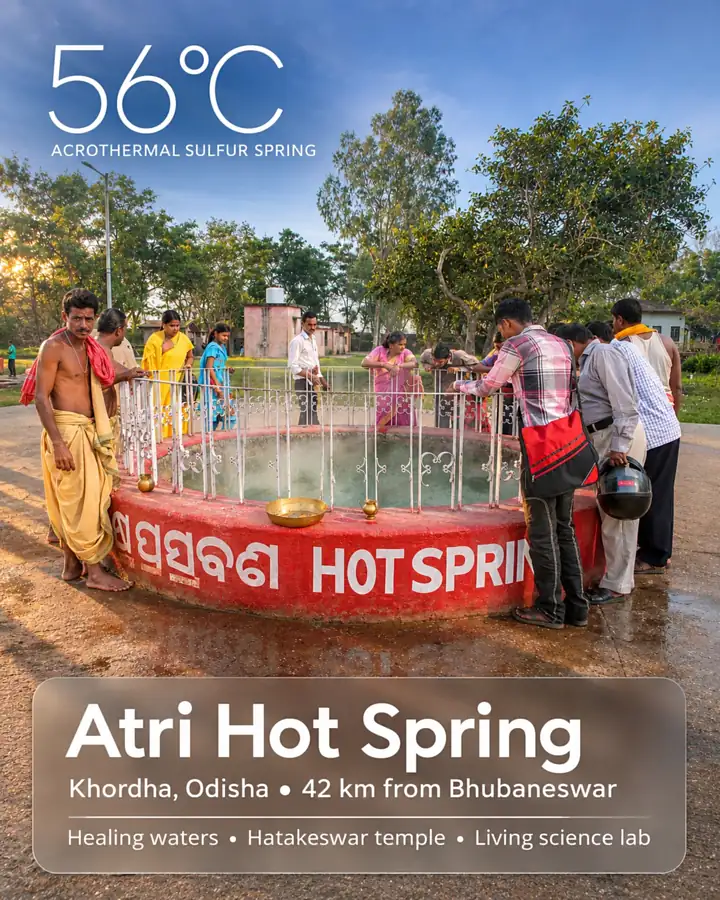
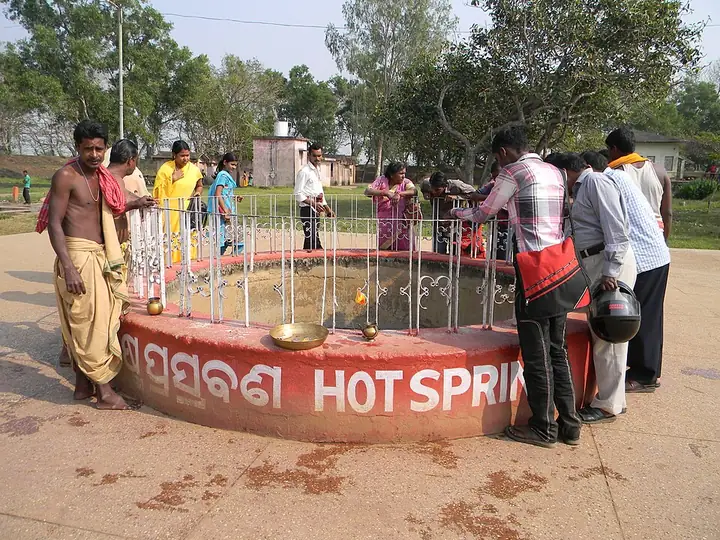
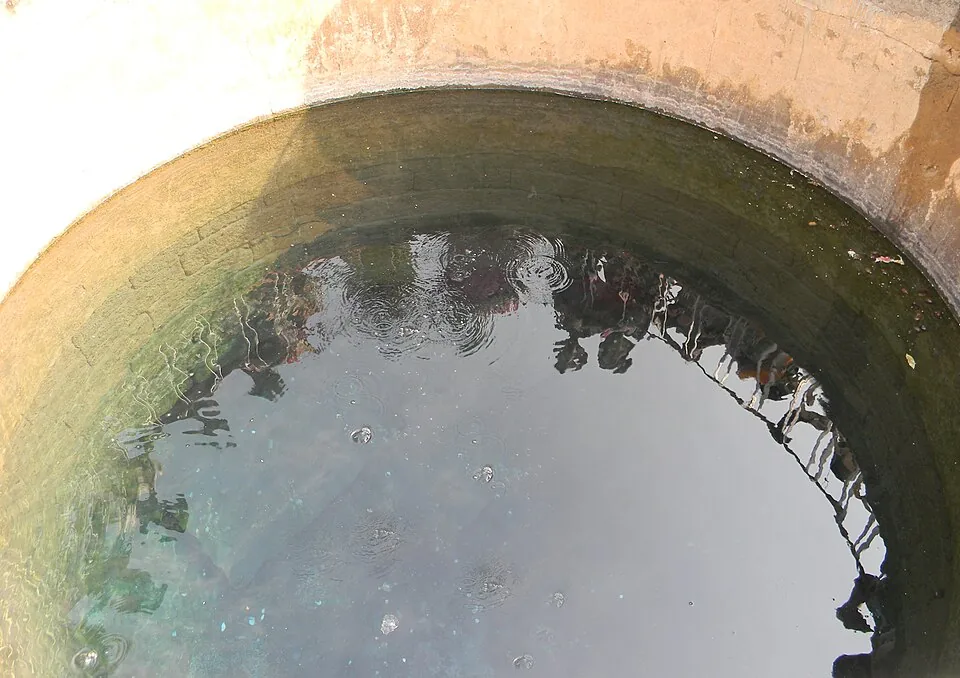
The main source is a circular tank. According to the Odisha Tourism board at the site, around 375 cubic feet of water flows out of it every hour. Hot water is channelled into adjacent cemented pools for visitors, and the runoff flows into a nearby rivulet (a branch of the Rananadi), creating a thermal gradient where aquatic life persists.
A Brief Bathing Experience
Visitors step into the warm, sulfur-scented pools fed by the spring’s runoff. The mineral-rich water gives a short, intense soak that many find soothing after travel. The surrounding greenery and quiet rural setting add to the simple, natural feel of the experience. Those with health concerns should consult a doctor before entering the thermal water.
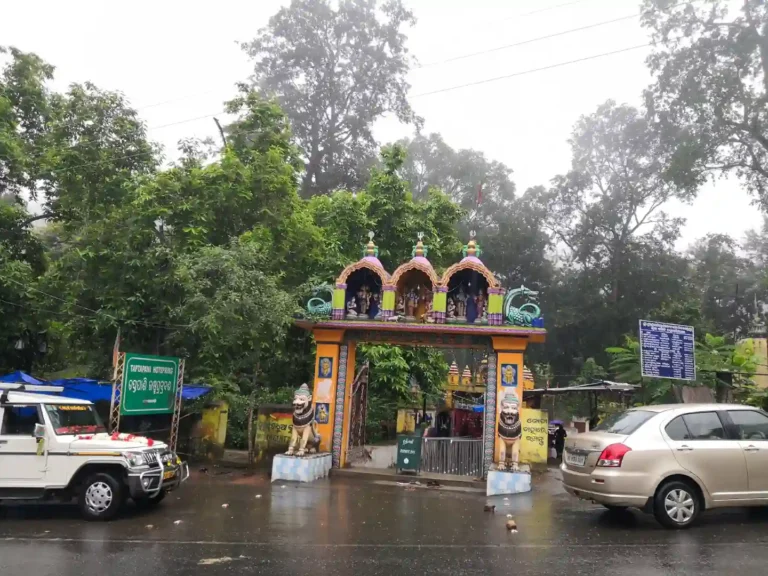
If you enjoy hot springs, Odisha has another well-known one in the Eastern Ghats: Taptapani Hot Spring in Ganjam district.
Scientific Significance: A Natural Ecosystem for Global Warming Research
Atri is classified as an acrothermal spring. It stands out because higher life forms, including fish, live in the cooler runoff and confluence zone, unlike many hot springs that are studied only for their microbes.
Key findings from research published in the International Journal of Geology, Earth and Environmental Sciences (Mohanty et al., 2014) include:
- The main tank temperature is stable at about 56–58°C (the Odisha Tourism board at the site gives about 55°C).
- Physico-chemical profile: alkaline pH (about 8.4 in the main tank), moderate TDS, presence of nitrate and inorganic phosphate, and a sulfurous character. The confluence water is milder and suitable for aquatic life.
- The runoff joins a relatively unpolluted rivulet, so temperature is the dominant abiotic stressor.
- Fish recorded in the warm confluence zone include minor carps such as Puntius sophore and occasional Cirrhinus reba, the murrel Channa striatus, and prawns. These organisms live under chronic thermal stress and serve as models for studying acquired thermotolerance, heat-shock protein expression, metabolomic shifts, amino-acid changes and fatty-acid profiles.
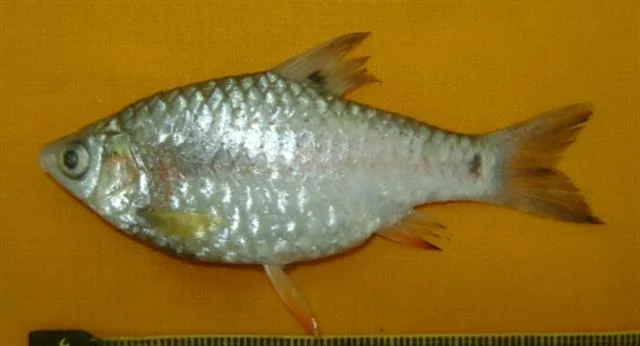
Researchers describe Atri as an ideal natural laboratory for understanding thermal acclimation and adaptation, with insights relevant to how aquatic ecosystems may cope with climate change. The site has been proposed as a potential “hot spring research laboratory”, and related studies document diverse phytoplankton and zooplankton in the overflow areas.
This scientific backdrop lifts Atri beyond a typical tourist stop: it is a site of active ecological and biochemical inquiry.
Spiritual Anchor: Hatakeswar Mahadev Temple & Annual Makara Mela
A short walk from the spring complex stands the Hatakeswar Mahadev Temple, dedicated to Lord Shiva. Local belief holds that the spring waters are purifying and wish-fulfilling, and devotees often visit the waters before offering prayers. Pilgrims traditionally offer coconuts, betel nuts, fruits and flowers.
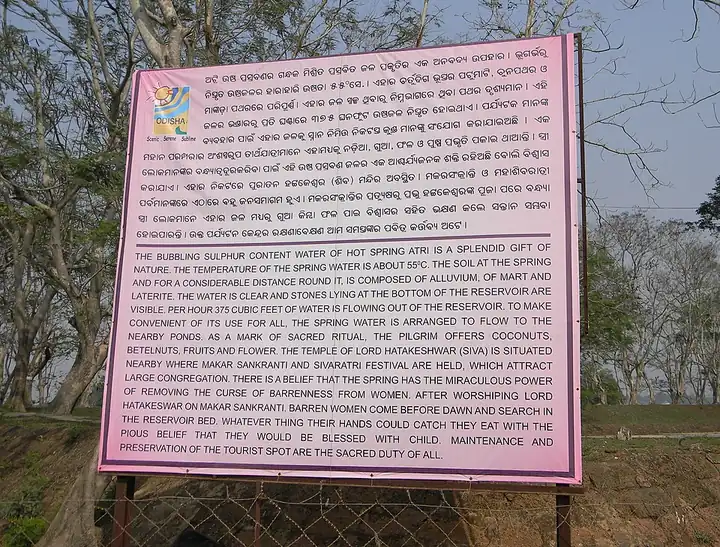
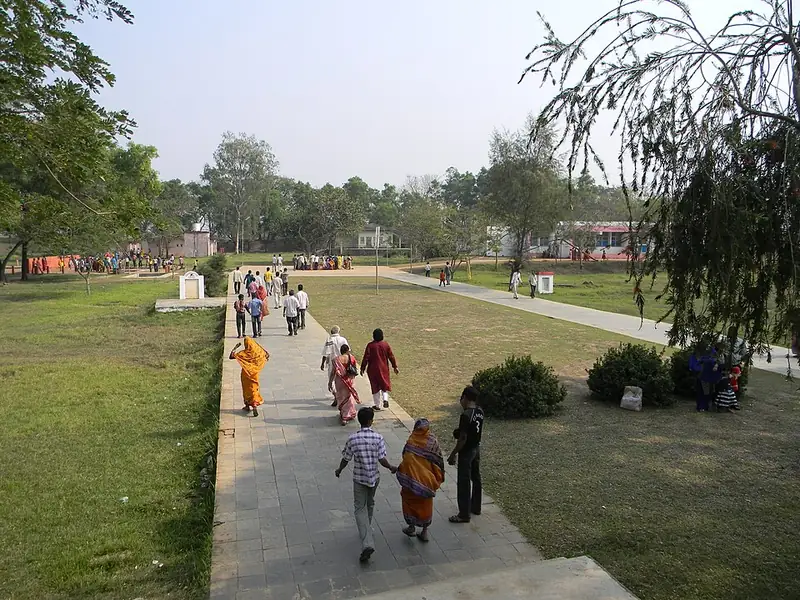
Every year a vibrant Makara Mela (Makar Sankranti fair) is held at Atri, drawing large crowds from across Odisha and neighbouring areas. The fair falls on Makar Sankranti (usually mid-January) and brings special rituals at the temple, cultural programmes, local stalls and community gatherings. Many devotees take a purifying dip in the hot spring waters as part of the celebrations. The site board also records an old belief linked to the day: women hoping for a child come before dawn to search the tank bed, and whatever they find is taken as a blessing. Maha Shivaratri also brings special observances and bigger crowds.
The combination of geothermal waters and Shaivite tradition gives Atri deep cultural resonance in Odisha.
The Science of Copper (Oligodynamic Effect)
Copper has proven antimicrobial properties and can destroy bacteria, viruses and fungi through the oligodynamic effect. A popular explanation for the old habit of throwing coins into water goes back to this. When communities depended on rivers, lakes and step-wells for drinking water, people dropped copper coins into these shared sources. Over time the metal helped keep the water cleaner while also releasing trace amounts of copper, an essential mineral for joint health, thyroid function and melanin production.
Spiritual Offerings and Gratitude
This practical custom gradually intertwined with faith. In Indian culture, water is revered as a life-giving element and is often personified as a deity. Offering a coin became an act of dana (charity) and respect, believed to wash away bad karma, invite good fortune and bring blessings for a safe journey.
Respecting Natural Phenomena
At unique geographical and spiritual sites such as the 56–58°C sulfur spring at Atri, making an offering was a way to acknowledge the healing qualities of the water. Local caretakers or temple priests would occasionally collect these offerings, creating a decentralised system that helped fund the site’s upkeep.
Today’s coins are no longer pure copper; they are minted from stainless steel, aluminium or cupro-nickel alloys. These metals do not purify water. In fact, steel and aluminium building up in natural water bodies can cause rust and metal pollution that harms the aquatic ecosystem. While the original practical purpose ended with the change in coin metals, the habit continues purely as a gesture of faith. Visitors are encouraged to honour the tradition mindfully, choosing non-polluting alternatives or simply offering silent gratitude, so that Atri’s fragile thermal habitat and the life it supports stay protected for future generations.
Quick Planning Tips for Visitors
- Carry light cotton clothing and modest attire suitable for a temple visit.
- Respect local customs and keep the area clean: the rivulet and its surroundings support sensitive aquatic life. Avoid throwing modern coins or any non-biodegradable items into the spring or runoff.
- Combine Atri with nearby places in Khordha, or make it a day trip from the Bhubaneswar–Puri–Konark circuit; our guide to beaches near Bhubaneswar has more easy drives from the city.
- Check current conditions, water levels and any temporary restrictions with Odisha Tourism before travelling. During the Makara Mela, expect big crowds and plan accordingly.
Conclusion
Atri Hot Spring rewards both the traveller looking for a distinctive natural site and the curious mind interested in geology, ecology and climate adaptation. It remains one of Odisha’s most distinctive geothermal and cultural destinations. For more places off the usual tourist trail, browse our guide to picnic spots in Odisha.
Frequently Asked Questions
What is the temperature of Atri Hot Spring?
The main source tank is typically 56–58°C year-round (slightly lower after heavy rain); the bathing pools and runoff are cooler.
Is Atri Hot Spring associated with skin or joint relief?
Local and traditional use centres on the sulfur-rich mineral water. Scientific literature notes the mineral content, but therapeutic claims remain largely traditional and Ayurvedic, so consult a physician for personal health advice.
How far is Atri from Bhubaneswar?
About 42 km by road, and about 15 km from Khordha town.
Why is Atri important for science?
It hosts higher organisms such as fish that live continuously at raised temperatures, offering a natural system to study thermal adaptation and resilience to global warming.
When is the best time to visit?
August to March, for comfortable weather. The annual Makara Mela in mid-January is especially lively.
Should I throw coins into the hot spring?
The old practice of offering copper coins had both practical (antimicrobial) and spiritual roots. Modern coins made of steel or aluminium do not purify water and can pollute the ecosystem. Better alternatives are a silent prayer, biodegradable flowers, or supporting the site through official channels.
Related guide: Browse more unexplored places in Odisha.