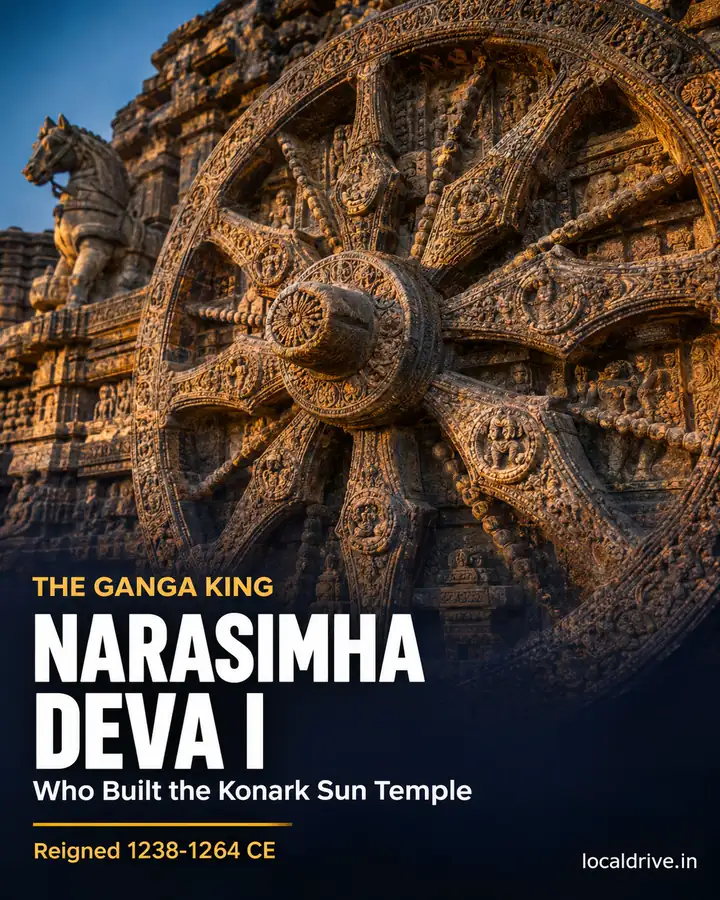
Trip facts
Reign
1238–1264 CE
Dynasty
Eastern Ganga
Father
Anangabhimadeva III
Capital
Varanasi Kataka (Cuttack)
Also known as
Langula Narasimhadeva
Greatest work
Konark Sun Temple
The Visionary Behind the Stone: Who Was King Narasimhadeva I?
When we speak of medieval Odisha’s golden age, few rulers command as much awe as King Narasimhadeva I (who reigned from 1238 to 1264 CE). Known popularly in folklore as Langula Narasimhadeva and addressed in court poetry as Bada Raye Narasinghadeva, he was the son of Anangabhimadeva III.
Narasimhadeva I was a master strategist and an aggressive imperial monarch who pushed the boundaries of the Ganga Empire from the Ganges in the north to the Godavari in the south. He successfully defended his borders against the Sultanate of Bengal, returning victoriously to his capital at Varanasi Kataka (modern-day Cuttack). To commemorate his triumph, he instituted special temple honors like the Jaya Mangala Virabara Alati at Puri and endowed hundreds of Brahmin Sasanas and revenue villages across Odisha's historical Dandapatas.
However, his most enduring legacy is not merely military—it is artistic. Narasimhadeva I immortalized his vision in stone by building the Konark Sun Temple, a monument that remains the pinnacle of the Kalinga school of architecture.
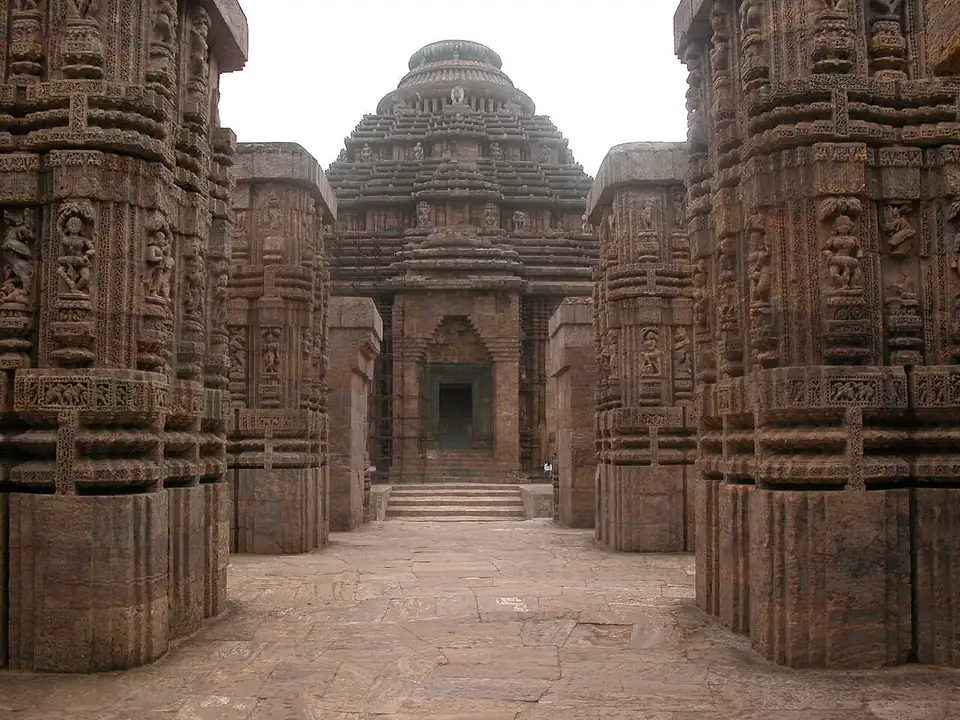
The localdrive.in Itinerary: Cruising the Konark Heritage Trail
If you are looking to experience this history firsthand, localdrive.in brings you an experiential travel blueprint designed for modern explorers, culture lovers, and road-trip enthusiasts.
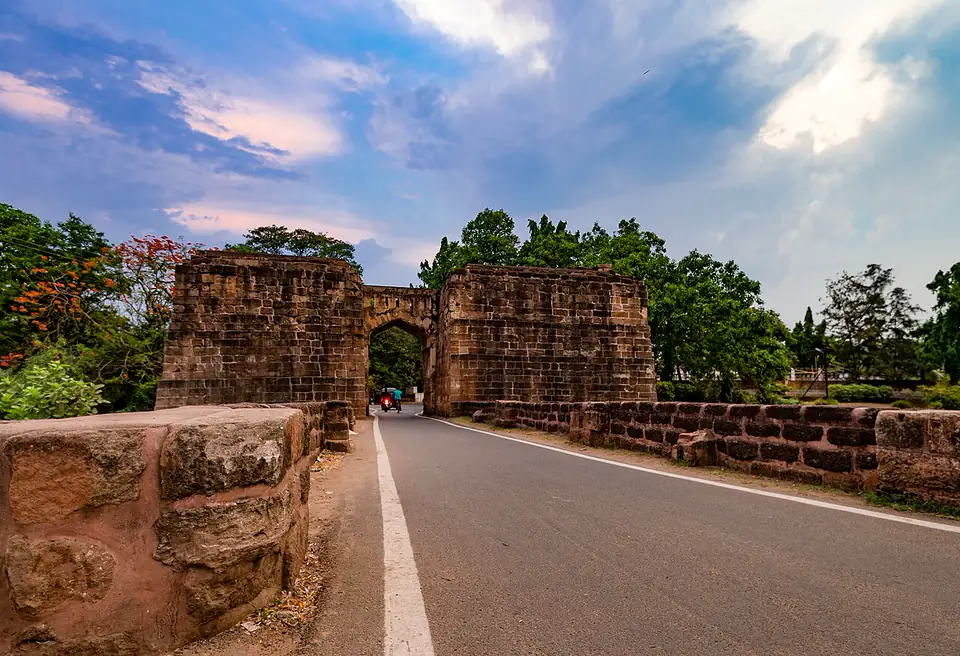
1. Starting Point: Cuttack (Varanasi Kataka) to Bhubaneswar
- The Context: Begin your journey where King Narasimhadeva I administered his vast empire from the historic banks of the Mahanadi River.
- What to Experience: Explore the remnants of Barabati Fort and trace the ancient administrative paths that once connected the capital to the coastal interior.
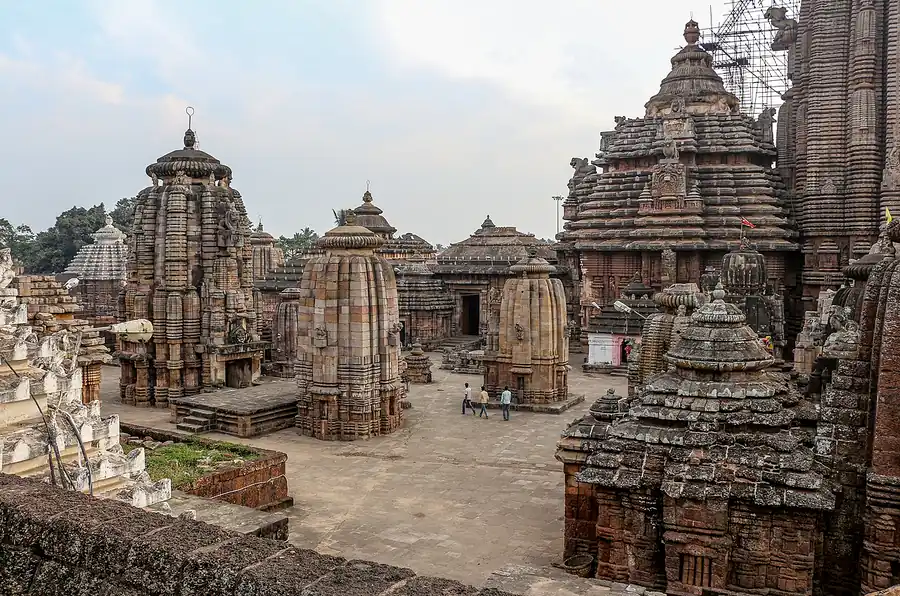
2. The Sacred Pit Stop: Ekamra Ksetra (Bhubaneswar)
- The Context: Before heading toward the coast, explore the temple city where Narasimhadeva I patronized religious sanctuaries and founded the Sadasiva Matha to shelter refugees from Gauda and Radha.
- What to Experience: Take in the soaring spires of the Lingaraj Temple and the intricate sculptural details of the Brahmesvara and Muktesvara temples.
3. The Grand Finale: Arka Ksetra (Konark Sun Temple)
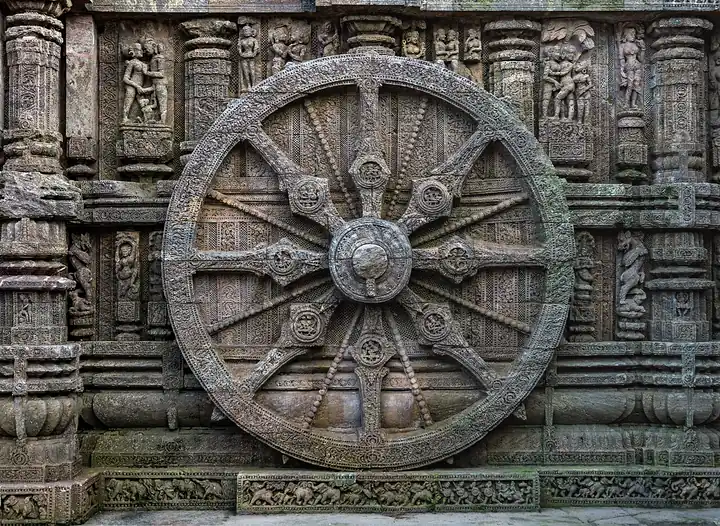
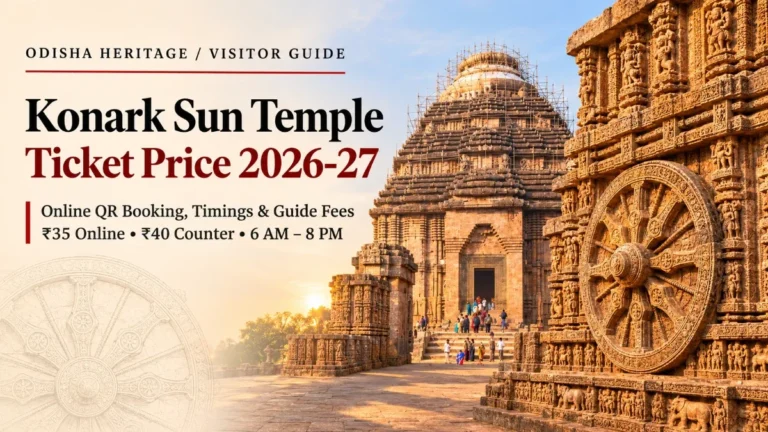
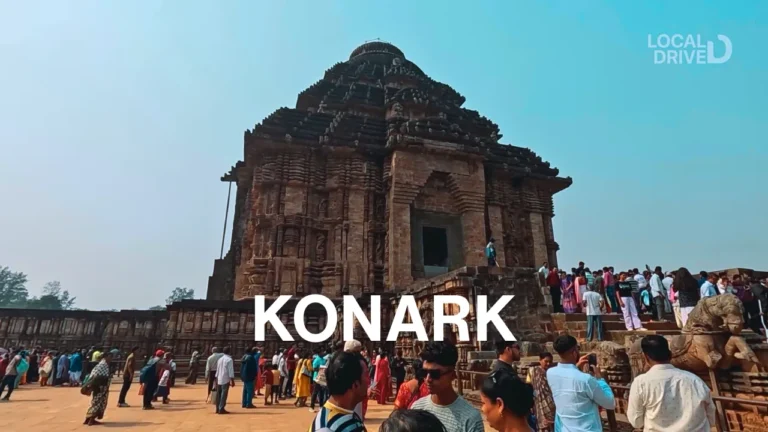
- The Context: Driving eastward through the shaded canopy roads toward the Bay of Bengal, you arrive at the climax of your drive: the Konark Sun Temple (see our Konark ticket and timings guide).
- What to Experience:
- Marvel at the colossal Solar Chariot design featuring 24 intricately carved stone wheels (representing the hours of the day) pulled by 7 spirited horses (representing the days of the week).
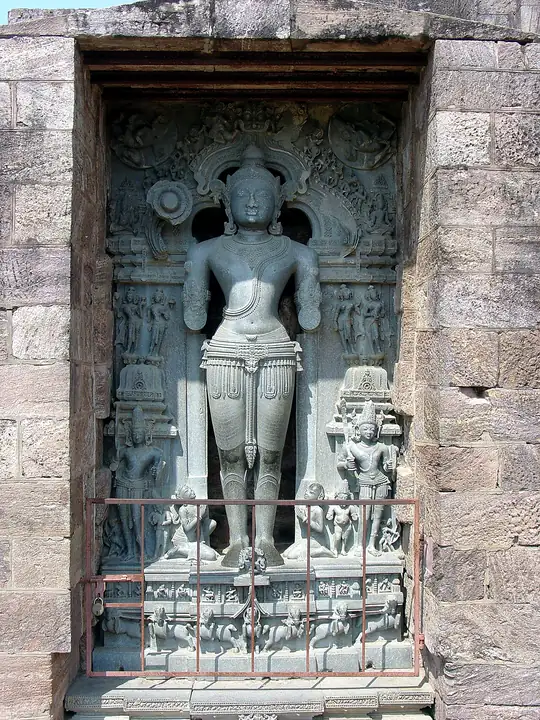
- Observe the brilliant chlorite images of the Sun God in the southern (rising sun with a smiling face), western (mid-day sun with a grave look), and northern (setting sun with a faded look) niches.
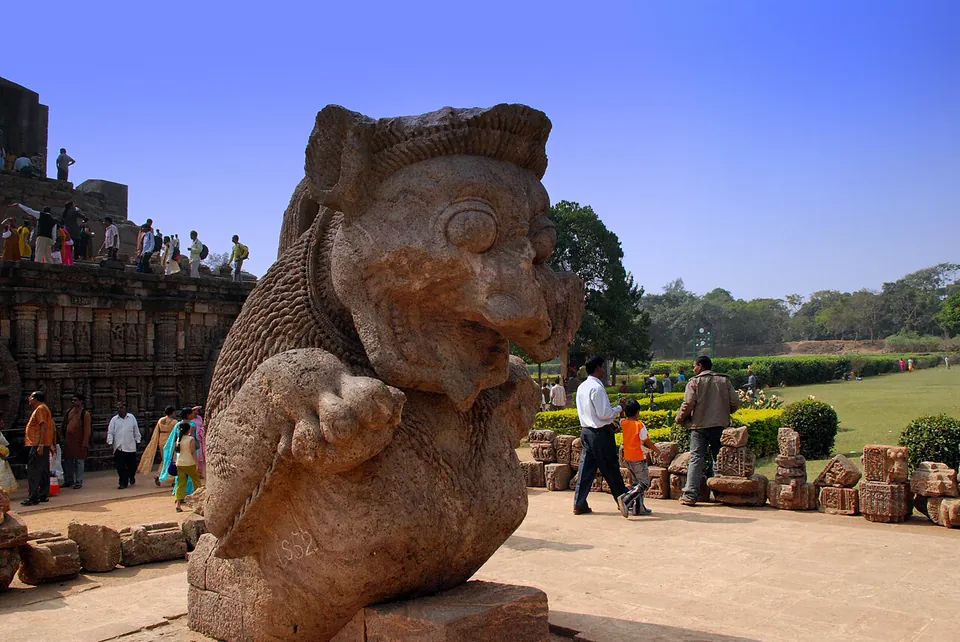
- Examine the legendary guardian animals—the Gajasimhas (lions over elephants) in the east, warhorses in the south, and majestic elephants in the north.
Why localdrive.in is Your Ultimate Companion for Regional Exploration
At localdrive.in, travel is more than just reaching a destination—it is about uncovering the deep cultural roots, forgotten historical narratives, and hidden storytelling landscapes of Odisha. Whether you are navigating the winding roads of ancient Dandapatas or seeking out architectural masterpieces hidden in plain sight, localdrive.in bridges the gap between raw geography and rich historical consciousness.
Frequently Asked Questions
Who built the Konark Sun Temple and when?
The Konark Sun Temple was built in the 13th century (circa 1238–1264 CE) by the Eastern Ganga king, King Narasimhadeva I.
What architectural style is used in Konark and other Odisha temples?
Odisha temples follow the Nagara style of architecture with a distinct regional evolution known as the Kalinga School of Architecture, characterized by curvilinear spires (Rekha Deula) and pyramidal halls (Pidha Deula).
How does localdrive.in enhance cultural and heritage travel in Odisha?
localdrive.in is an experiential travel, storytelling, and cultural blogging platform dedicated to local drives, heritage trails, and regional archiving, helping travelers connect deeply with Odisha's pre-colonial and medieval history.
Related guide: Read our complete History of Odisha.