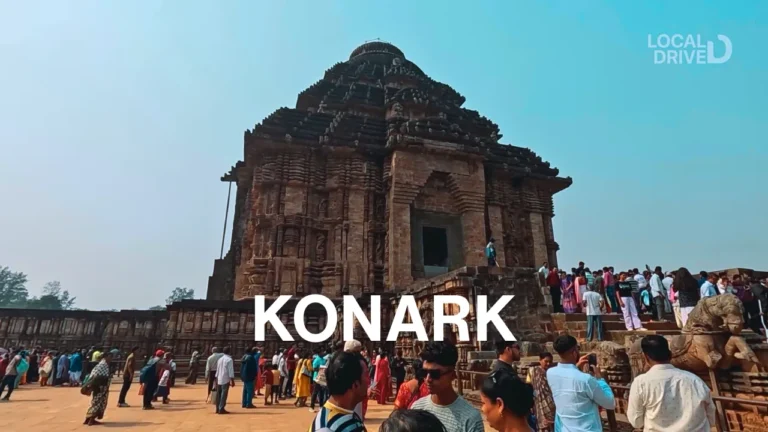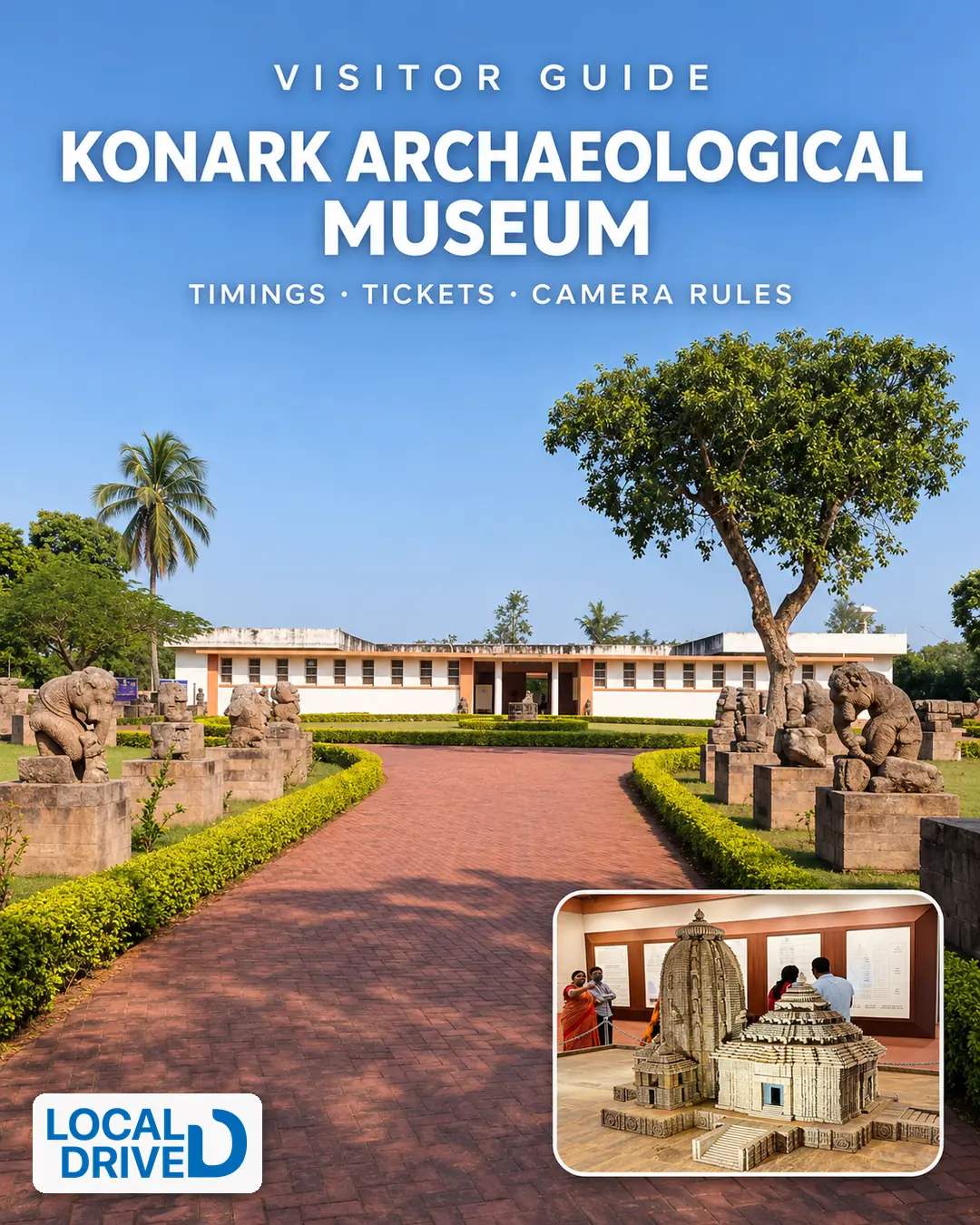
Most people who come to Konark see the Sun Temple and leave. A few hundred metres north of it, in a quiet compound shaded by trees, the Archaeological Museum holds the pieces the temple lost: fallen carvings, broken wall sections and sculptures pulled out of the sand when the site was cleared and conserved.
Museum facts
Timings
9 AM – 5 PM
Closed
Every Friday
Entry
Small ASI fee
Children
Under 15 free
Time needed
1 to 1½ hours
Camera
Photos yes, video no
Our LocalDrive team stopped here on a road trip along the Puri–Konark Marine Drive. The sculptures were worth every minute. The camera rules at the door, though, left us confused, and we think they need a rethink. This guide covers the timings, tickets and what to see inside, then explains what happened and why it matters.
Konark Archaeological Museum at a Glance
What
Details
Opening hours
9:00 AM to 5:00 PM, Saturday to Thursday
Closed
Fridays
Entry fee
A small ASI fee for Indian visitors; children under 15 enter free
Time needed
1 to 1½ hours for all four galleries
Distance from the Sun Temple
A few hundred metres north, a 3 to 5 minute walk
Photos
Allowed on phones and cameras, without flash
Video, tripods, stands
Not allowed inside the galleries
Check the fee at the counter. Online guides quote anything from ₹5 to ₹25 for this museum, and ASI fees change from time to time. It’s a small amount either way, so carry some change or have UPI ready.
What the Museum Is
The museum is run by the Archaeological Survey of India (ASI). It opened in 1968 to house the sculptures and architectural fragments found during the sand clearance and conservation of the Sun Temple complex. Today it has four galleries with about 260 antiquities, and it lets you see Kalinga stone carving at eye level, which is impossible on the temple itself, where the best work sits metres above your head.
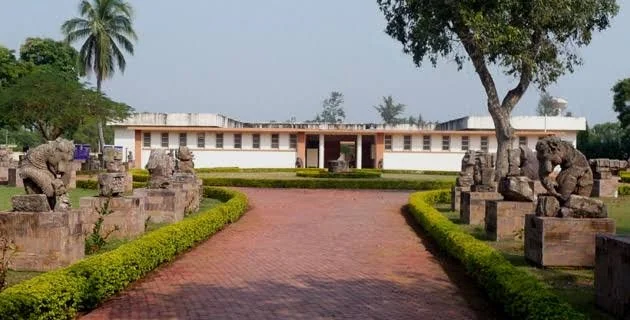
Photo: LocalDrive team
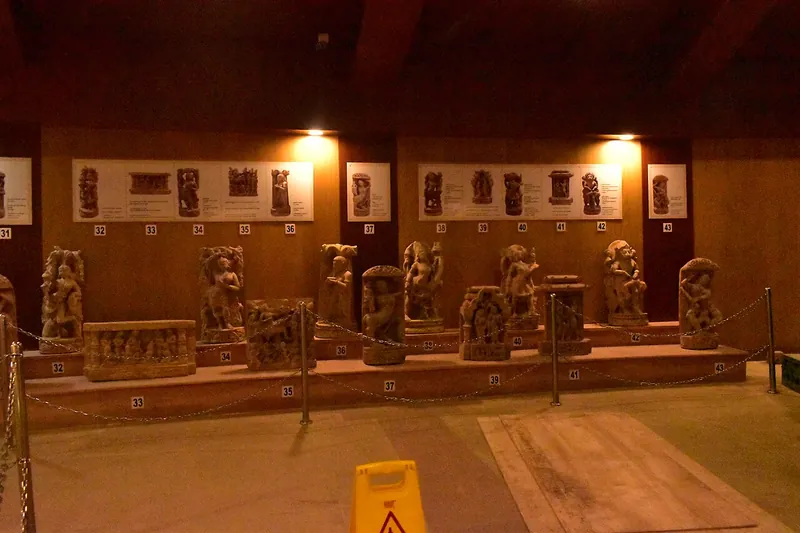
Photo: Pinakpani, CC BY-SA 4.0, via Wikimedia Commons
What to See: The Four Galleries
Gallery
Objects
Highlights
Gallery 1
About 62
A sandstone Surya, a reconstructed chariot wheel, Vishnu avatars such as Varaha and Trivikrama
Galleries 2 and 3
About 150
Temple wall sections, surasundaris, floral friezes, mythical beasts, the fallen kalasa and iron beams
Gallery 4
About 45
A roaring lion, a man caught in an elephant’s trunk, a king watching dancers, scenes of court life
Gallery 1: Surya and the gods
The first gallery sets the tone. Its centrepiece is a sandstone image of Surya, the Sun God the whole temple was built for. Around it are a reconstructed chariot wheel in khondalite and statues of Vishnu’s avatars, including Varaha and Trivikrama, recovered from a brick Vaishnava temple found nearby.
Galleries 2 and 3: the temple in pieces
These two rooms are where you understand how big Konark really was. There are reconstructed sections of temple wall, surasundaris (celestial women) carved in mid-movement, floral friezes, mythical beasts, and the fallen kalasa, the stone pot that once crowned the structure. Look out for the long iron beams too. The 13th-century builders used iron alongside stone, and seeing the beams up close is a surprise for most visitors.
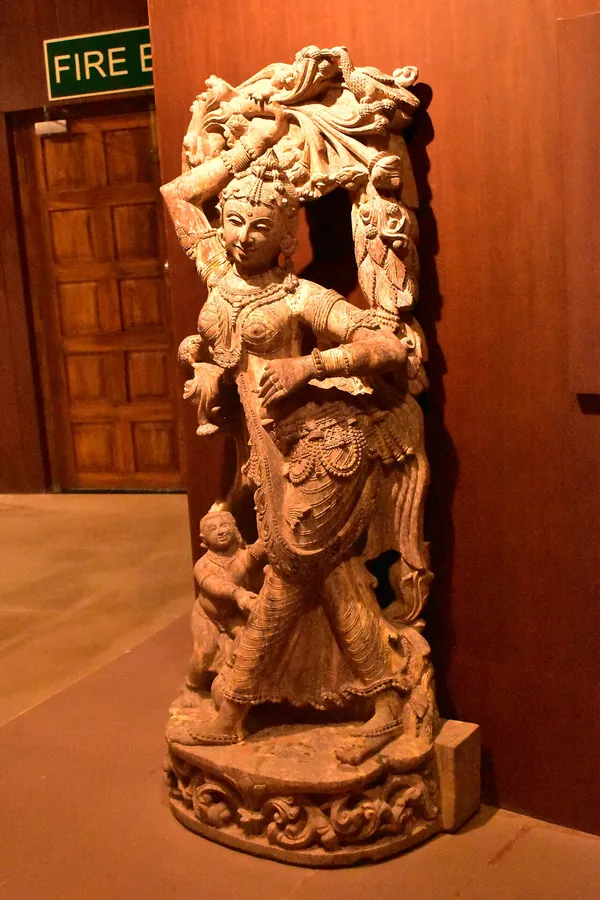
Photo: Pinakpani, CC BY-SA 4.0, via Wikimedia Commons
Gallery 4: everyday life in stone
The last gallery is the most human. A lion rears up, a man is caught in an elephant’s trunk, a king sits watching a dance performance. Other panels show courtly life, animals and plants. It’s a reminder that the temple’s carvers weren’t only making gods; they were recording the world around them.
The corridor and the garden
The corridor between galleries has a photo exhibition on other archaeological sites across Odisha, and you’ll also find scale models of Kalinga-style temples that show how the different parts of a temple fit together. Outside, the lawn holds more weathered sculptures and a stone sundial, and it’s a pleasant place to sit after the galleries.
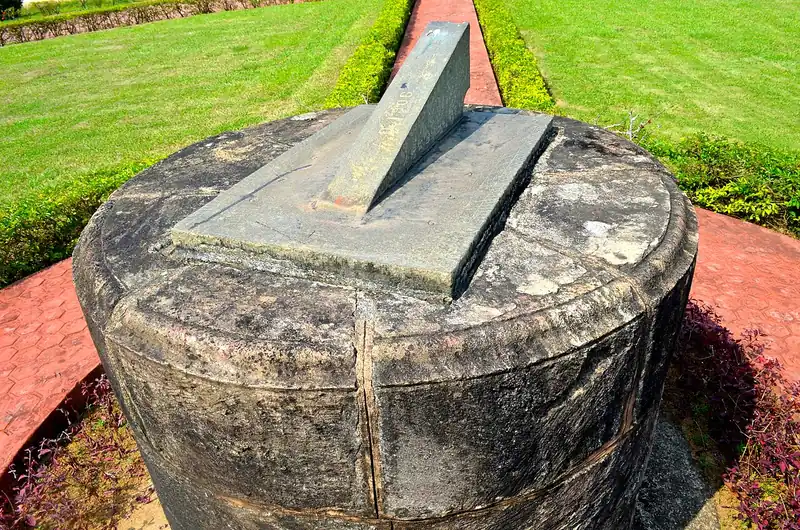
Photo: Subhashish Panigrahi, CC BY-SA 4.0, via Wikimedia Commons
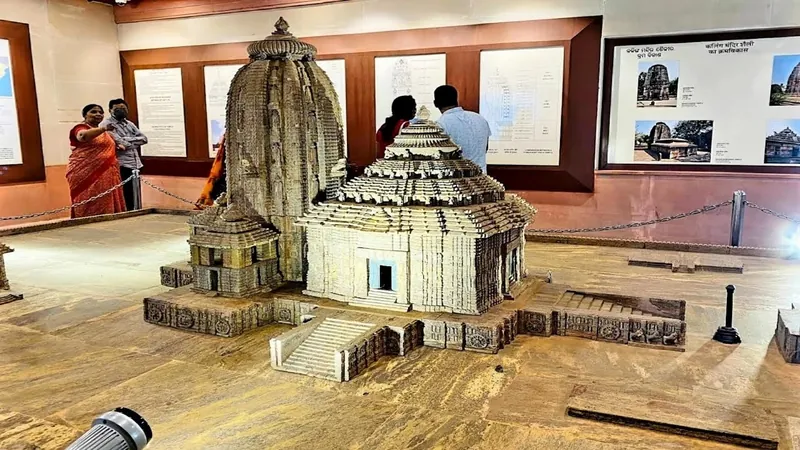
Photo: LocalDrive team
Our Visit: A Camera Rule That Makes No Sense
We walked in after a breezy morning drive from Puri, ready to film and photograph the collection for other road-trippers. I had a DSLR over my shoulder, a small travel tripod in my backpack and a phone in my hand. At the security check, we got a set of rules that left us puzzled.
Device
Photos
Video
What we were told
Smartphone
Allowed
Not allowed
Guards watch to make sure you only take photos
DSLR or mirrorless
Allowed, no flash
Not allowed
A big camera and lens went in without a question
Tripod, monopod or stand
Not allowed
Not allowed
Our small stand had to be left at the entrance
Photos are fine, video isn’t. You can stand in front of a 700-year-old sculpture and shoot a hundred burst-mode photos. Switch the same phone to video and a guard blows a whistle.
A DSLR is fine, a stand isn’t. A heavy full-frame camera with a large lens walked straight in. Our light, compact stand had to be handed over at the door.
Every phone is a video camera. Almost every visitor walks in holding a phone that can shoot 4K video, so the guards spend their shift looking over shoulders to check that people are only pressing the shutter, not recording a ten-second clip to remember the day.
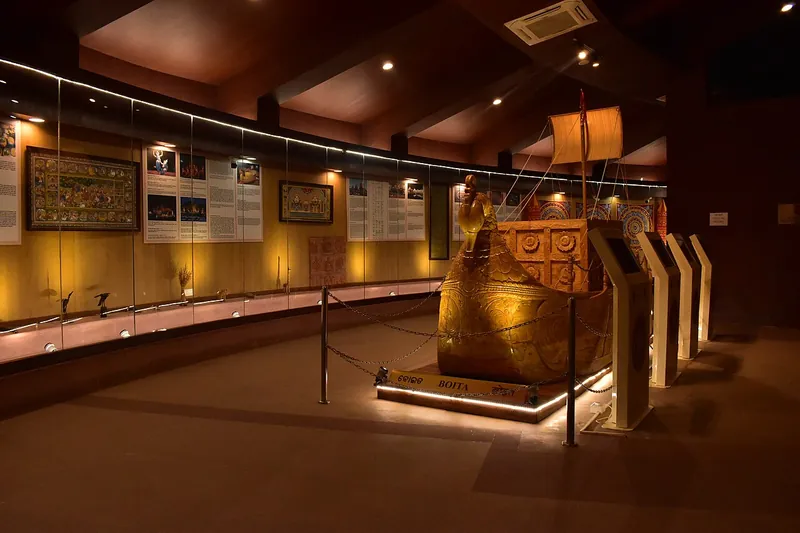
Photo: Pinakpani, CC BY-SA 4.0, via Wikimedia Commons
Why This Rule Needs to Change
Museum photo bans usually exist for a reason: flash can damage old paint and fabric, and tripods block narrow corridors. Neither really applies to video here.
The exhibits are khondalite, chlorite and sandstone, the same stone that stood in sun, rain and salt air on the temple for seven centuries. A phone or camera recording silent video gives off no flash and no more light than one taking photos. Technically, a video is a sequence of still frames from the same sensor. Allowing the camera in for photos while banning it for video doesn’t protect the sculptures, improve security or help conservation.
What it does do is create friction. Well-meaning visitors and guards end up playing cat and mouse, and a calm hour of looking at extraordinary carving turns into worrying about which button you pressed.
Our request to the authorities: pick one clear rule. Either keep cameras and phones out completely, as some high-security sanctums do, or allow non-flash photography and handheld video for personal use. Allowing the device but policing half of what it does only frustrates travellers, and it stops them sharing Odisha’s heritage in the way most people share things today.
Want to film for a project? Tripods, stands and professional shoots need prior written permission from the ASI. Apply well before your trip, and carry the permission letter with you.
How to Fit the Museum Into a Konark Day
Morning: the Sun Temple
Reach early, before the heat and the crowds. Give the temple two to three hours.
Walk north to the museum
It’s a 3 to 5 minute walk. Remember it is closed on Fridays.
1 to 1½ hours inside
Go gallery by gallery. Gallery 1 first, then the temple fragments, then everyday life.
Afternoon: Chandrabhaga or Puri
Chandrabhaga Beach is about 3 km away; Puri is about 35 km down the Marine Drive.
Driving in from Bhubaneswar? Our Bhubaneswar to Konark road guide covers the route and the Pipili and Nimapada stops. For temple tickets and timings, see our Konark Sun Temple ticket guide, and if you’re visiting from 1 to 5 December, plan an evening at the Konark Dance Festival.
Frequently Asked Questions
What are the timings of the Konark Archaeological Museum?
It is open from 9:00 AM to 5:00 PM, Saturday to Thursday, and closed on Fridays.
What is the entry fee?
A small ASI fee for Indian visitors, and children under 15 enter free. Online figures vary between ₹5 and ₹25, so check the current rate at the counter.
Are phones and DSLR cameras allowed inside?
Yes, for still photos without flash. Video recording on phones or cameras is not allowed, and tripods, monopods and camera stands need prior written permission from the ASI.
How far is the museum from the Sun Temple?
A few hundred metres north of the main temple complex, about a 3 to 5 minute walk.
How much time do I need?
About 1 to 1½ hours to see all four galleries and the sculptures in the garden without rushing.
Is the museum worth visiting after the Sun Temple?
Yes. It shows carvings and fragments up close that you can’t see properly on the temple, and it explains what the temple lost over the centuries.
More on Konark from LocalDrive: Konark Sun Temple history · Ticket price and timings · Bhubaneswar to Konark by road · Odisha stone art.