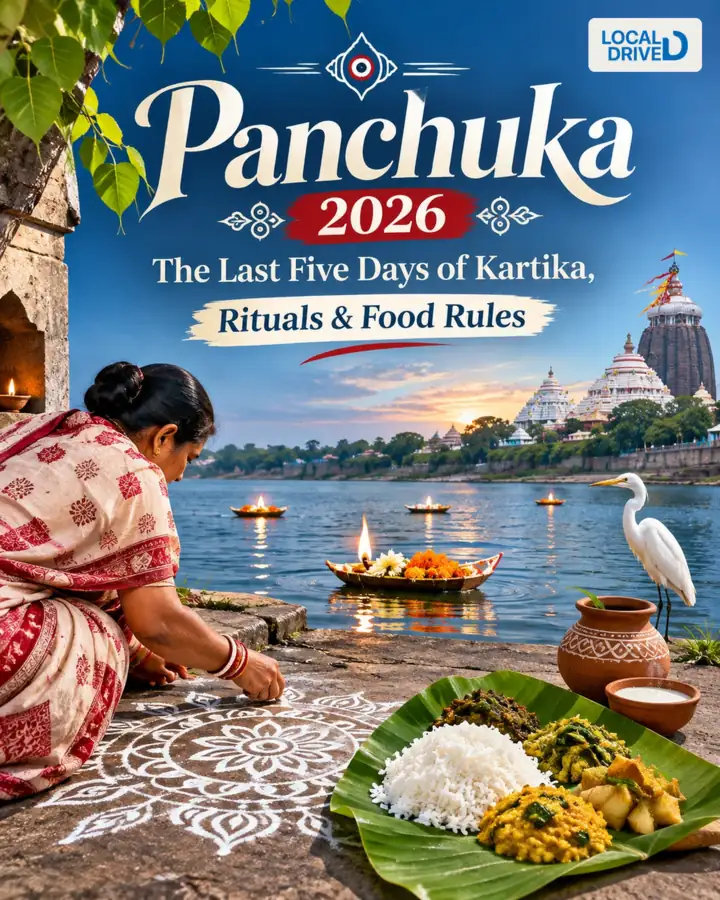
Festival facts
Dates 2026
20 to 24 November
Also called
Bhishma Panchuka, Baka Panchuka
Where
All over Odisha; beshas at Puri Srimandira
Food
No fish, meat, onion or garlic
Last day
Kartika Purnima, 24 November
Next day
Chhadakhai, 25 November (expected)
Panchuka 2026 Dates
Panchuka falls in the last five days of the bright fortnight of Kartika. For the whole month, including Habisha and Dipawali, see our Kartika Masa 2026 dates.
| Panchuka begins | Friday, 20 November 2026 (Prabodhini Ekadashi; the Vaishnava date is Saturday, 21 November) |
| Bada Osha at Dhabaleswar | Around Monday, 23 November (expected; confirm locally) |
| Panchuka ends | Tuesday, 24 November 2026: Kartika Purnima, Rasa Purnima and Boita Bandana at dawn |
| Baliyatra in Cuttack (Kataka) | Opens on 24 November and runs to 1 December |
| Chhadakhai | Wednesday, 25 November (expected) |
Odia panjika dates can differ by a day from North Indian panchangs, so check your local panjika before planning around a single date.
Why Kartika Is the Crown Jewel of Odia Spiritual Life
In Hindu scriptures (Dharmashastra), four lunar months are revered above all others as Dharma Masa, the months of righteousness. Odisha remembers them through the classic mnemonic Aa Ka Ma Boi: Ashadha, Kartika, Magha and Baishakha. Among these, Kartika holds unmatched spiritual weight.
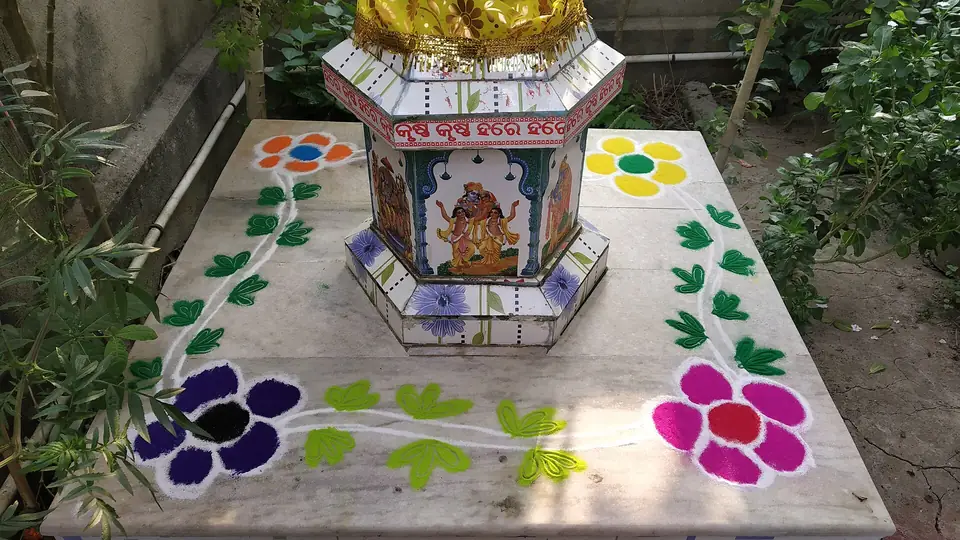
The month begins the day after Kumar Purnima and runs for thirty days until Rasa Purnima. Devout Odias, especially Habishyalis (most of them elderly women keeping the strict Habisha vow), wake before dawn, bathe, chant the divine names, read the Srimad Bhagavata and eat a single Habisha meal cooked in earthen pots. At dusk, the Akasha Dipadana (sky lamp) is raised near the Tulsi Chaura, the sacred basil altar, to guide ancestors and invoke divine grace.
The Heart of Kartika: Bhishma Panchuka and Baka Panchuka
Not everyone can keep the rigorous discipline of a month-long Kartika vow. That is where Panchuka becomes the great spiritual equaliser of Odisha. Spanning the final five days of the bright fortnight (Shukla Paksha) of Kartika, it offers devotees a shorter window of grace.
Why is it called Bhishma Panchuka?
According to tradition, Grandsire Bhishma, lying on his bed of arrows (Sharashayya) after the Kurukshetra war, taught the highest secrets of Raja Dharma and Moksha Dharma to Yudhishthira and the Pandavas, in the presence of Lord Krishna, during these five days.
Why is it called Baka Panchuka?
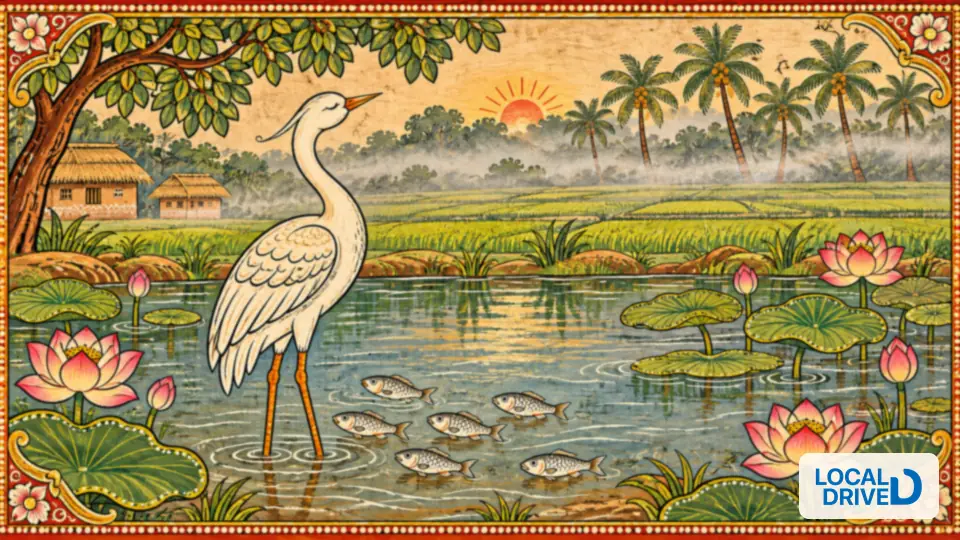
In Odia folklore, these five days are so pure that even the baka (crane or heron), a bird that lives on fish, gives up fish during Panchuka. Across Odisha, kitchens are scrubbed clean, non-vegetarian food is off the table, and families turn entirely to Niramisha (sattvic vegetarian) meals.
The 5 Beshas of Lord Jagannath During Panchuka
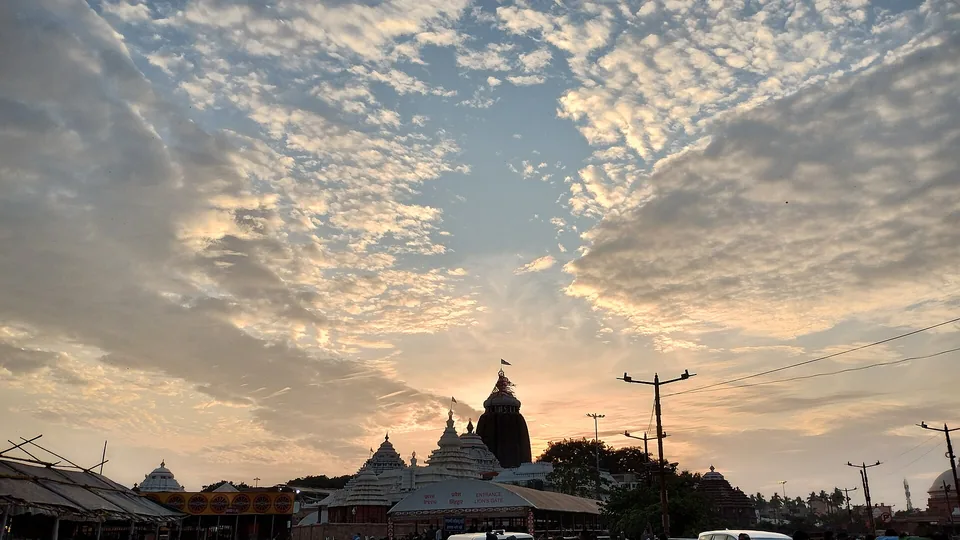
For devotees visiting Puri, Panchuka is one of the most visually striking weeks of the year. Each day, the sibling deities at Srimandira (Lord Jagannath, Lord Balabhadra and Devi Subhadra) are dressed in a different symbolic besha, decorated with fragrant flowers, sola (pith) work and gold ornaments.
- Ekadashi: Lakshmi Narayana Besha (Thiakia Besha). On Bada Ekadashi, Lord Jagannath wears a vertical crown of gold and flowers (Thiakia), holding the Shankha (conch) and Chakra (discus).
- Dwadashi: Bankachuda Besha (also written Bankachula). Marking the day Vamana subdued King Bali, the Lord wears a crescent-shaped headgear tilted to one side, evoking the playful charm of Lord Krishna in Vrindavan.
- Trayodashi: Tribikrama Besha (Adakia Besha). Celebrating the three cosmic steps of Lord Vamana, the deities wear interlocking floral headpieces (Adakia).
- Chaturdashi: Lakshmi Nrusingha Besha (Dalikia Besha). Branching floral ornaments (Dalikia) frame the deities, honouring the fierce yet protective Lord Narasimha, calmed by Goddess Lakshmi.
- Purnima: Raja Rajeswara Besha (Raja Besha, also called Suna Besha). On Rasa Purnima, the deities are dressed in royal gold. Following the Lakshmi-Damodara Puja, a sacred lamp lit with 21 wicks is offered to Mahaprabhu.
We list the beshas by tithi rather than by date. In 2026 the Vaishnava Ekadashi falls on 21 November, a day after the date in most calendars, so check the Srimandira notice or your local panjika for which besha falls on which day. When a tithi extends in certain years, Panchuka runs to a sixth day and the rare Nagarjuna Besha is performed; in other years the period can be shorter. Going to Puri? Read the temple dress code first, and our guide to Suna Besha, the better-known golden attire of Ashadha.
Panchuka Food Rules: What Odias Eat and Avoid
Many Odias who cannot keep the vow for all thirty days of Kartika still keep Panchuka. Rules differ between families and villages, but the common pattern is this:
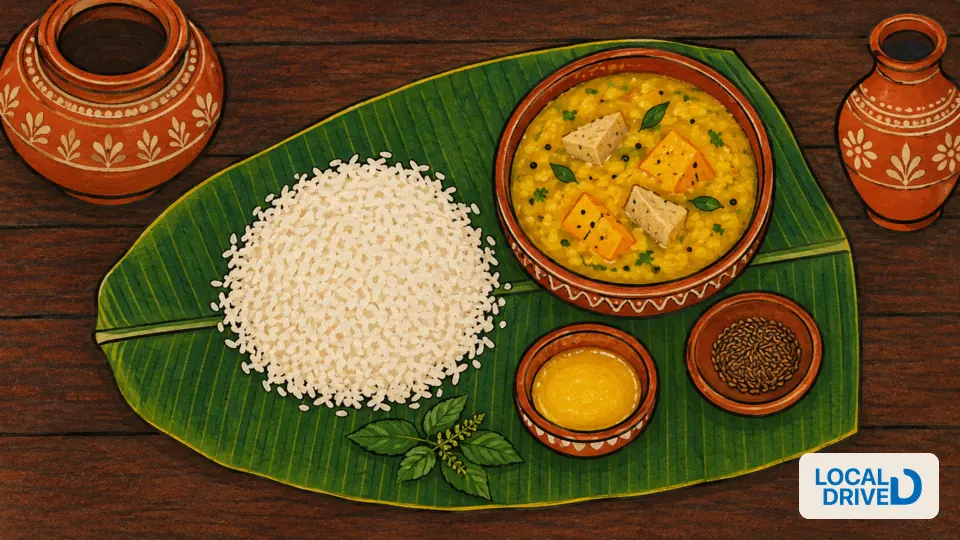
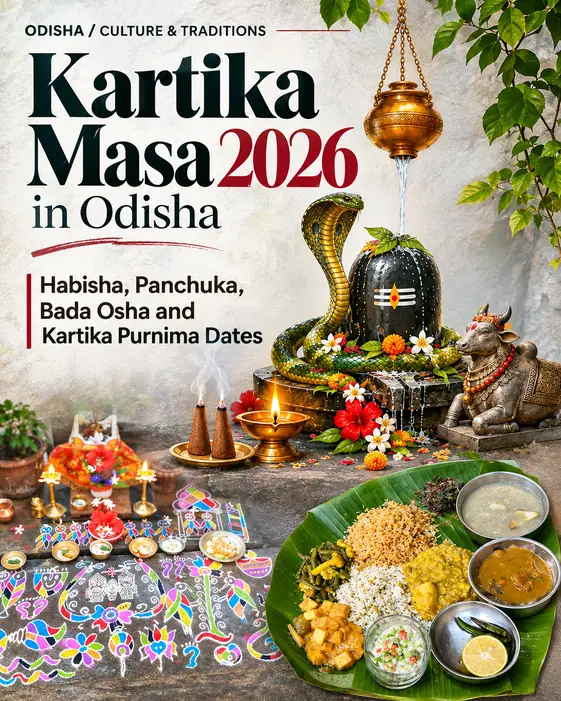
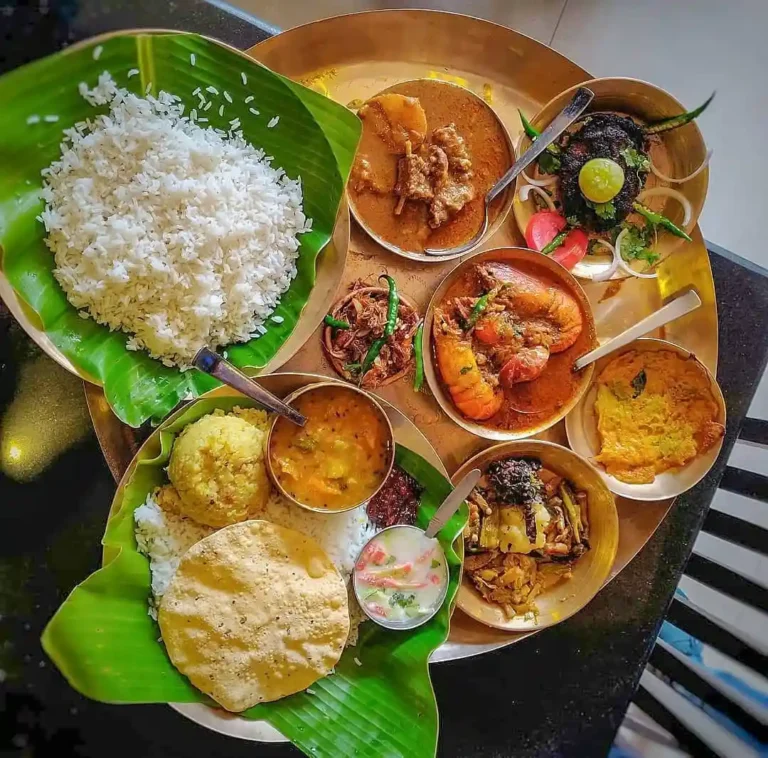
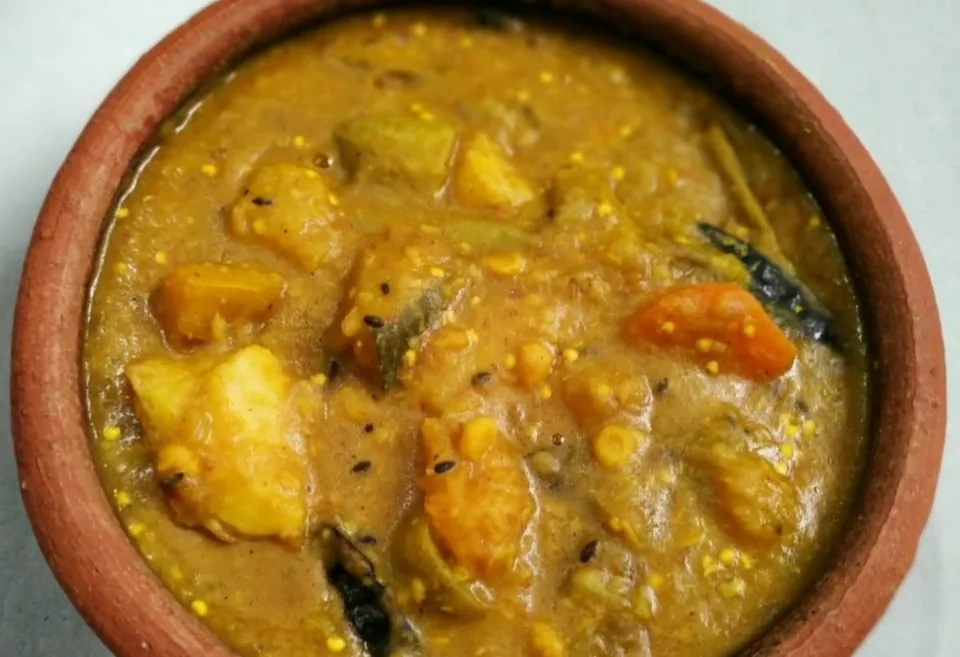
- Usually eaten: Arua Anna (unparboiled rice), Habisha Dalma slow-cooked with raw papaya, taro root (saru) and elephant apple (ouu), pure cow ghee and roasted cumin.
- Avoided: onion, garlic, fish, meat and eggs. Non-vegetarian food leaves the kitchen entirely.
- For Habishyalis: one simple meal a day, usually in the afternoon and cooked by their own hands.
- Other customs: many families also avoid cutting hair and nails during these days. Ask an elder at home for your family's exact rules.
The five days end with a celebration of a different kind: on Chhadakhai, the day after Kartika Purnima, families crowd the markets early and fish and meat return to the table.
Rasa Purnima: Where Krishna Bhakti, Shakta Tantra and Maritime History Meet
As Panchuka reaches its last day on the full moon, Odisha marks four major cultural and spiritual moments together.
Sharata Rasa and Kalpataru Yatra
Midnight marks the Sharata Rasa, the divine autumnal dance of Lord Krishna and the Gopis. Vaishnava monasteries and Jagannath temples across southern and northern Odisha worship Radha and Krishna beneath a tree designated as the Kalpavriksha, the wish-fulfilling tree.
Shakta Devi Yatra and Kartikeya Puja
Shakta worshippers in Odisha also celebrate this night as Devi Yatra. Odia tradition marks Kartika Purnima as a day of Lord Kartikeya (Kumara), born of Shiva and Parvati to defeat Tarakasura, though Kumar Purnima is also widely linked to his birth.
Guru Nanak Jayanti
Across India and in Puri, the day is celebrated as Prakash Parv. Tradition holds that Guru Nanak visited Puri in the 16th century and composed the Gagan Mein Thaal arati there.
Boita Bandana and Baliyatra
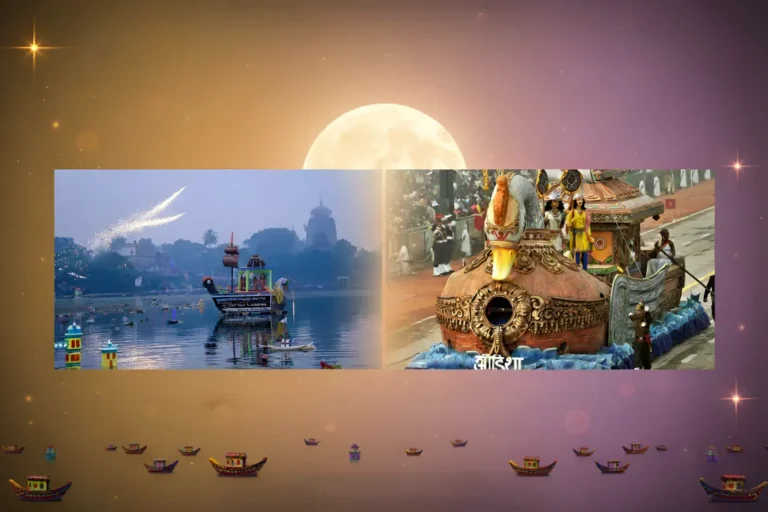
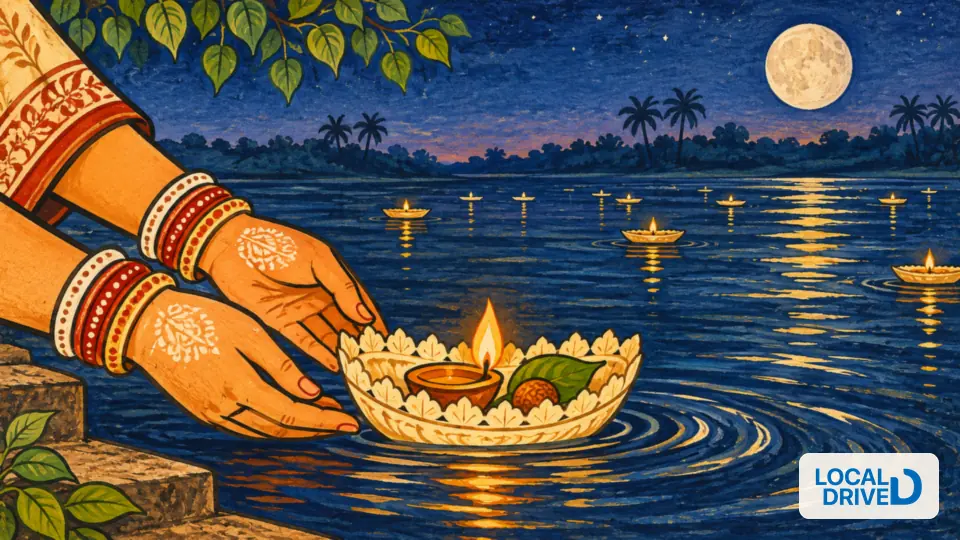
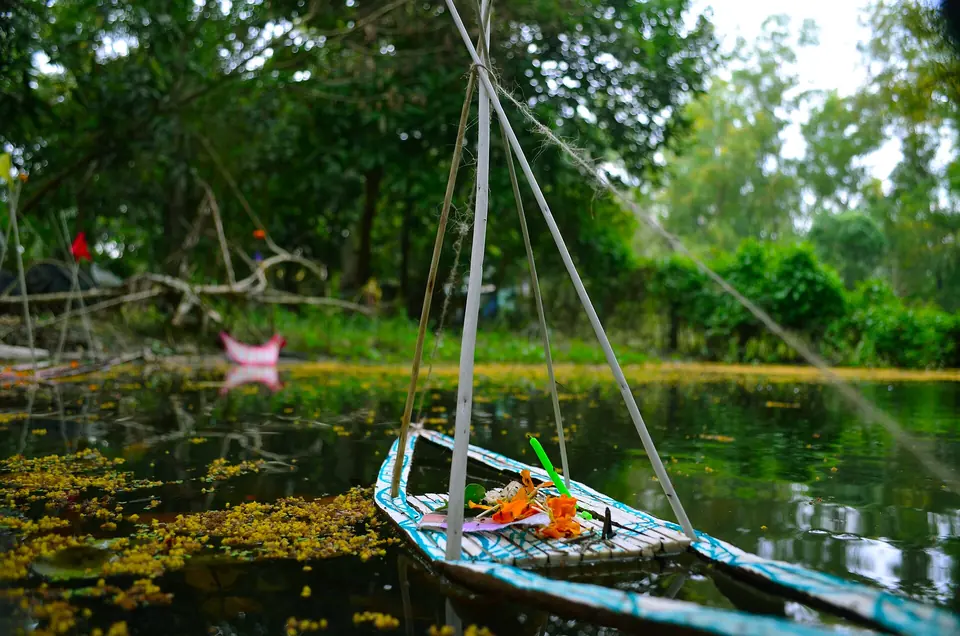
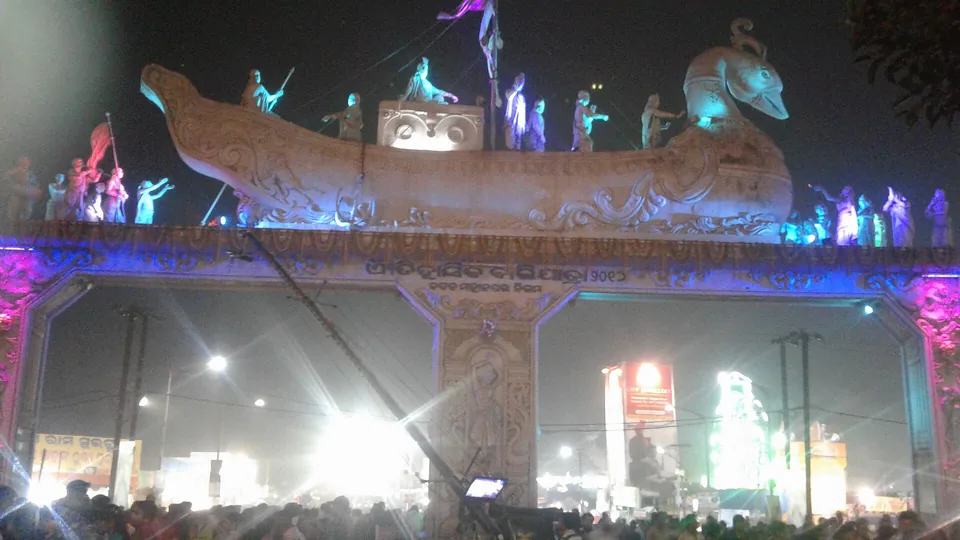
At the break of dawn, families across Odisha gather at riverbanks, temple tanks and the Bay of Bengal coast (Paradip, Gopalpur, Chandbali, Chandipur) to float miniature boats made of banana stem and sola pith. Lit with ghee lamps and carrying betel leaves and areca nuts (Pana-Gua), they honour the ancient Sadhaba mariners who sailed to Bali, Java, Sumatra, Thailand (Siam) and Sri Lanka (Sinhala). The chant echoes across the water:
“Aa Ka Ma Boi, Pana Gua Thoi, Pana Gua Tora, Masaka Dharma Mora.”
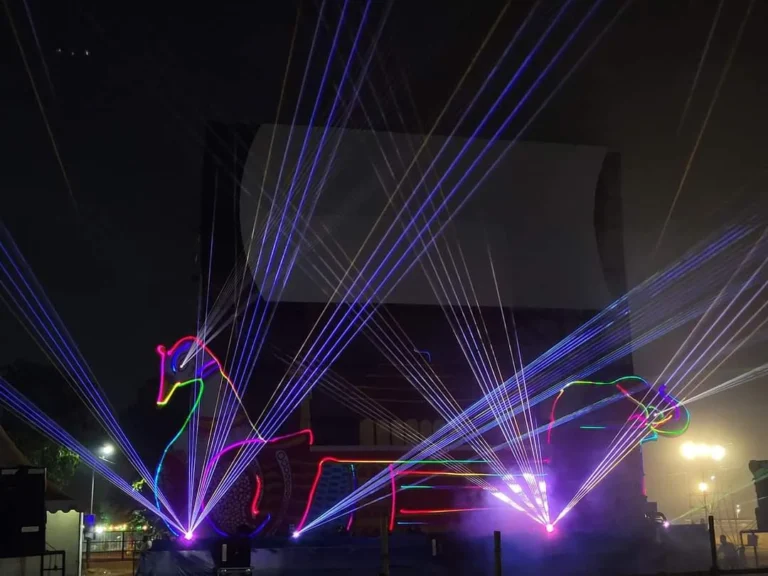
Read more in our Kartik Purnima and Boita Bandana guide. Meanwhile, on the sandy banks of the Mahanadi in Cuttack (Kataka), the historic Baliyatra fair comes alive. Its history goes back to the same seafaring age.
Personal Experience: Living Through the Magic of Panchuka
The Mist, the Muruja and the Quiet Discipline of Five Days
Growing up and living in Odisha, you don't need a calendar to tell you when Panchuka has arrived. You can feel it in the crisp November air and smell it in the kitchen. By the time Kartika Shukla Ekadashi dawns, a gentle winter mist begins to settle over the courtyards.
For me, Panchuka has always been a sensory reset. The first thing you notice is the artwork at the doorstep and around the Tulsi Chaura. Watching the women of the house and the elderly Habishyalis wake up while the sky is still ink-black, bathe in cold water, and sit with powdered rice, turmeric, charcoal and crushed green leaves to draw intricate Muruja patterns is a meditation in itself. They draw tiny footprints of Goddess Lakshmi, conch shells and miniature boitas around the sacred basil plant, singing the soulful verses of Kartika Mahatmya.
Then comes the food, and the gentle discipline that binds everyone together. Even for those of us juggling fast-paced schedules who couldn't keep the vows for all thirty days of Kartika, Panchuka is non-negotiable. Onion and garlic vanish from the pantry. The lunch plate turns into pure comfort: steaming Arua Anna, Habisha Dalma slow-cooked with raw papaya, saru and ouu, and a generous tempering of pure cow ghee and roasted cumin. There is a running joke in every Odia home during these five days: “Even the crane has given up fish this week, so don't even think about asking for anything else!” That shared restraint creates a quiet, grounding mindfulness.
If you have ever stood on the Bada Danda in Puri or inside Srimandira during Panchuka, the energy is electric. Seeing Mahaprabhu move from the vertical majesty of Thiakia Besha on Ekadashi to the tilted, flute-playing grace of Bankachuda on Dwadashi feels like watching eternity put on a play just for human eyes.
And when the last night finally gives way to the dawn of Rasa Purnima, sleep is the last thing on anyone's mind. Walking down to the water's edge at 4:30 AM, holding a fragile banana-stem boat flickering with a tiny ghee wick, a piece of betel leaf and an areca nut, you feel an unbroken thread connecting you to ancestors who once looked at the same stars and set sail across the ocean. As you gently push the boat into the ripples and whisper “Aa Ka Ma Boi, Pana Gua Thoi”, you realise that Panchuka and Rasa Purnima aren't just ancient rituals preserved in books. They are the living, breathing heartbeat of who we are.
Conclusion
Panchuka asks for only five days, and that is its gift. Whether you keep the full Kartika vow or simply give up fish for the week, you join the same quiet discipline as the Habishyalis at the Tulsi Chaura, the crowds on the Bada Danda and the families at the water's edge. This year it runs from 20 to 24 November 2026. See our full Kartika Masa 2026 guide to plan the rest of the month.
Frequently Asked Questions
When is Panchuka in 2026?
Panchuka runs from Friday, 20 November to Tuesday, 24 November 2026, ending on Kartika Purnima. Confirm the dates in your local Odia panjika.
Why do Odias eat vegetarian food without onion and garlic during Panchuka?
Panchuka is the last and most sacred five days of the holy month of Kartika. In Odia tradition and Vaishnava scripture, a pure sattvic diet (Habisha or Niramisha, without onion, garlic, meat or fish) purifies the body and mind and is said to grant the merit of observing the entire month.
What is the difference between Boita Bandana and Cuttack Baliyatra?
Boita Bandana is a statewide ritual at dawn on Kartika Purnima, when Odias float miniature boats with lamps and betel leaves to remember the Sadhaba traders who sailed to Southeast Asia. Baliyatra is a large open-air trade and cultural fair on the sandy banks (bali) of the Mahanadi in Cuttack (Kataka), starting on Rasa Purnima.
Which besha of Lord Jagannath is seen on Kartika Purnima?
On Kartika Purnima (Rasa Purnima), Lord Jagannath, Lord Balabhadra and Devi Subhadra are dressed in the Raja Rajeswara Besha, also called Raja Besha or Suna Besha, wearing royal gold ornaments.
Dates follow published 2026 panchang listings and Odisha festival calendars. Last updated: 9 November 2026.
Related guide: Read our complete guide to the Festivals of Odisha.