The Baitarani in Hindu Tradition
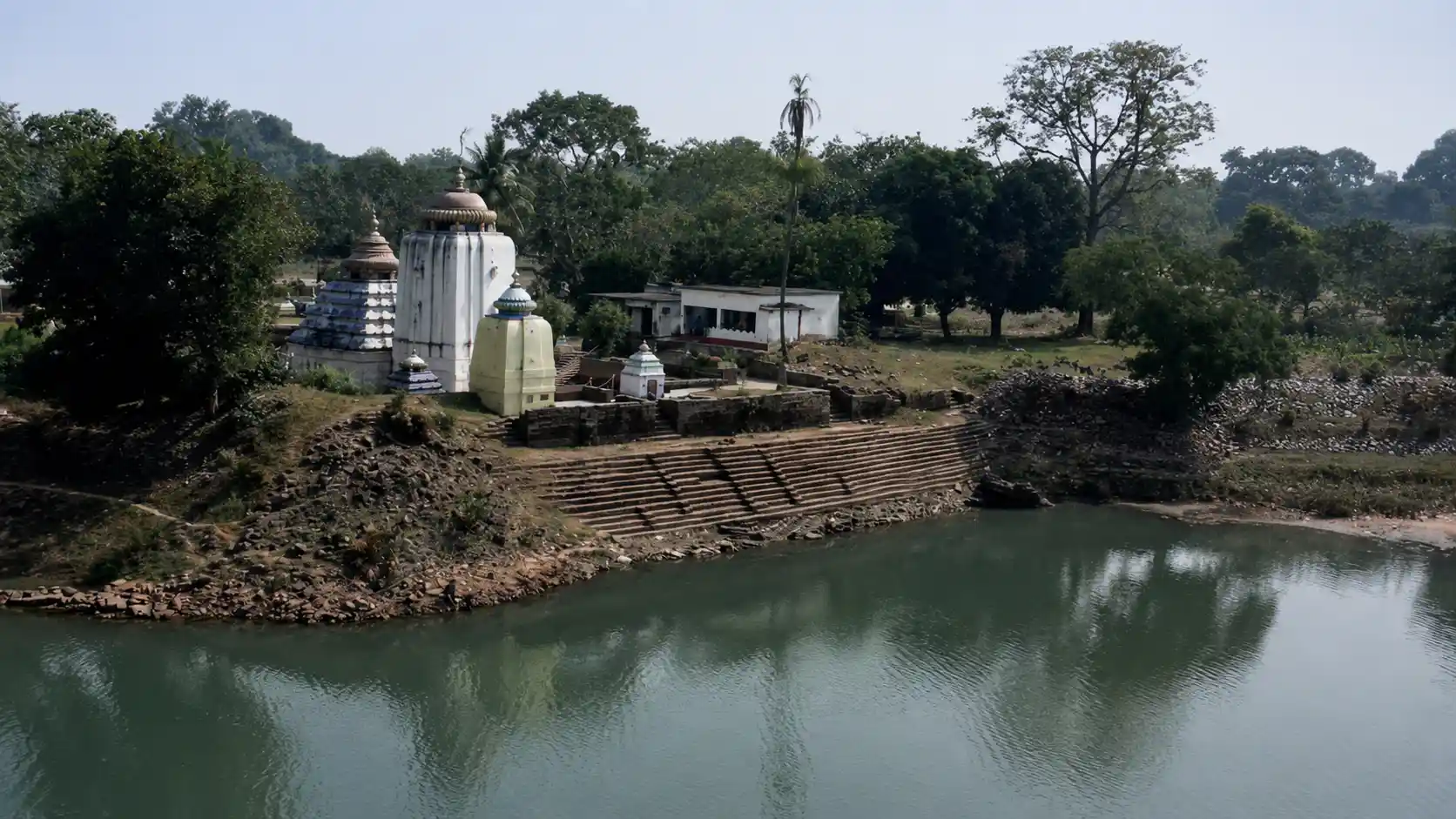
The Baitarani has a place in Hindu religious tradition as the river associated with the passage between the world of the living and the afterlife.
References to the Baitarani appear in Hindu religious literature, including the Mahabharata and Puranic texts. Traditional belief connects crossing the river with the soul's journey after death.
The river is also associated with ritual bathing. At different places along its course, people visit the river for religious observances, particularly during occasions connected with Shiva worship and the Shravan Bol Bam tradition.
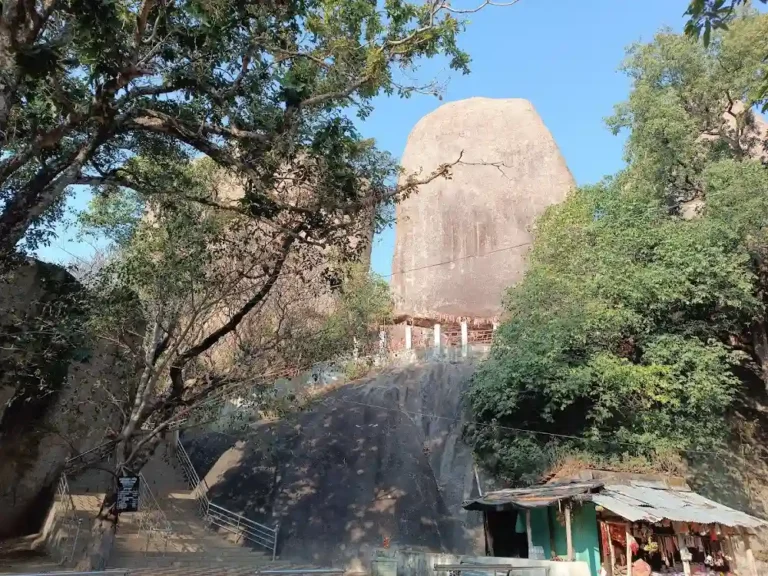
At Gonasika, the source is traditionally associated with a rock resembling the head of a cow. The river is also known there as Guptaganga.
The religious story is one part of the Baitarani. The physical river tells another story.
Where the Baitarani River Begins
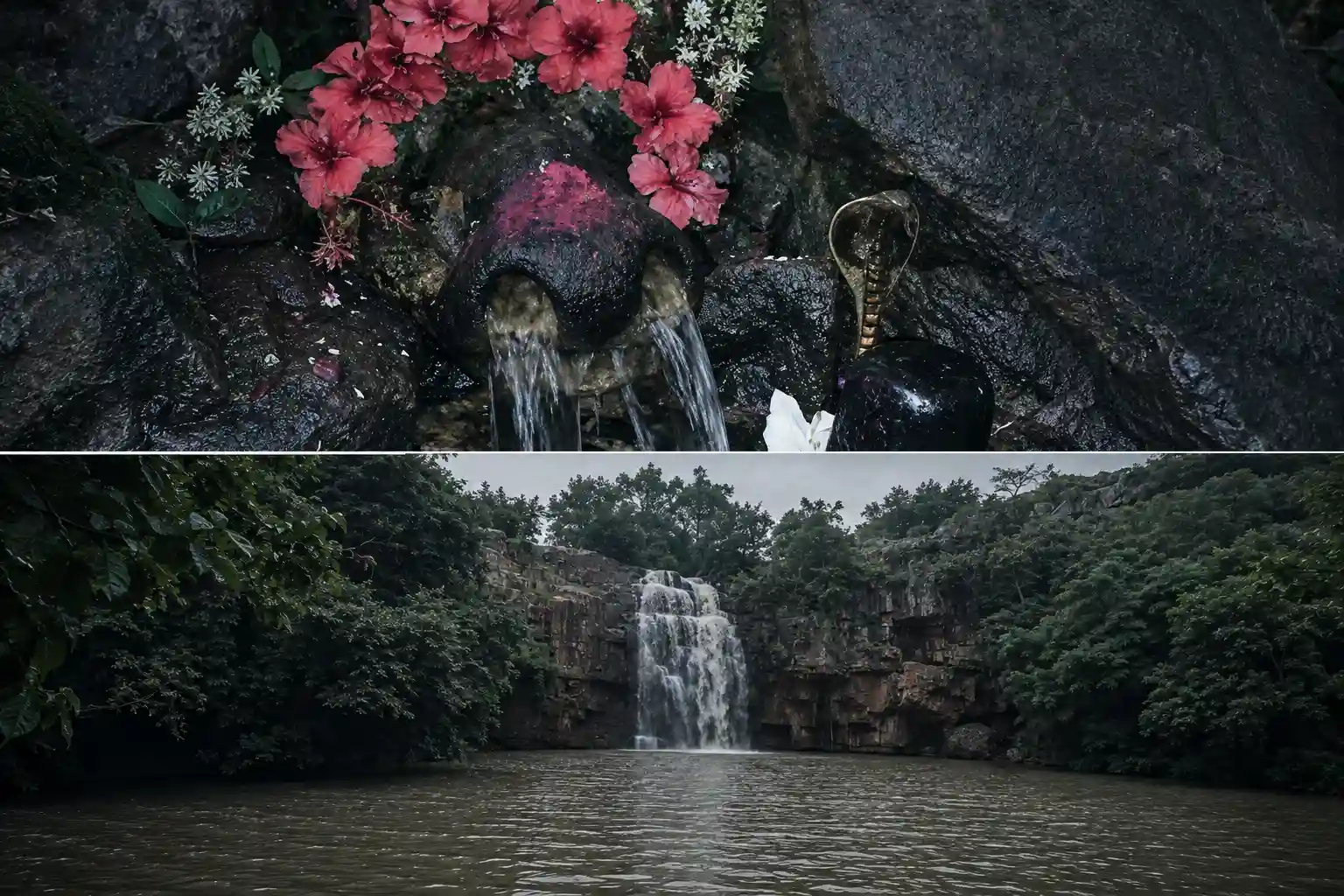
The Baitarani River originates in the Gonasika hills of Keonjhar district.
The source area is unusual enough to have attracted religious attention for generations. The traditional description says that the river emerges from the area of a cow-shaped rock and flows underground for a short stretch before appearing again.
From here, the river begins its journey through northern Odisha.
The upper Baitarani is very different from the river farther downstream. Around Keonjhar, the landscape includes hills, forest areas, villages and the mineral-rich terrain for which the district is known.
The river gradually becomes larger as other streams join it.
Salandi, Kusei and Budhi are among the tributaries associated with the Baitarani system.
Following the River Beyond Keonjhar
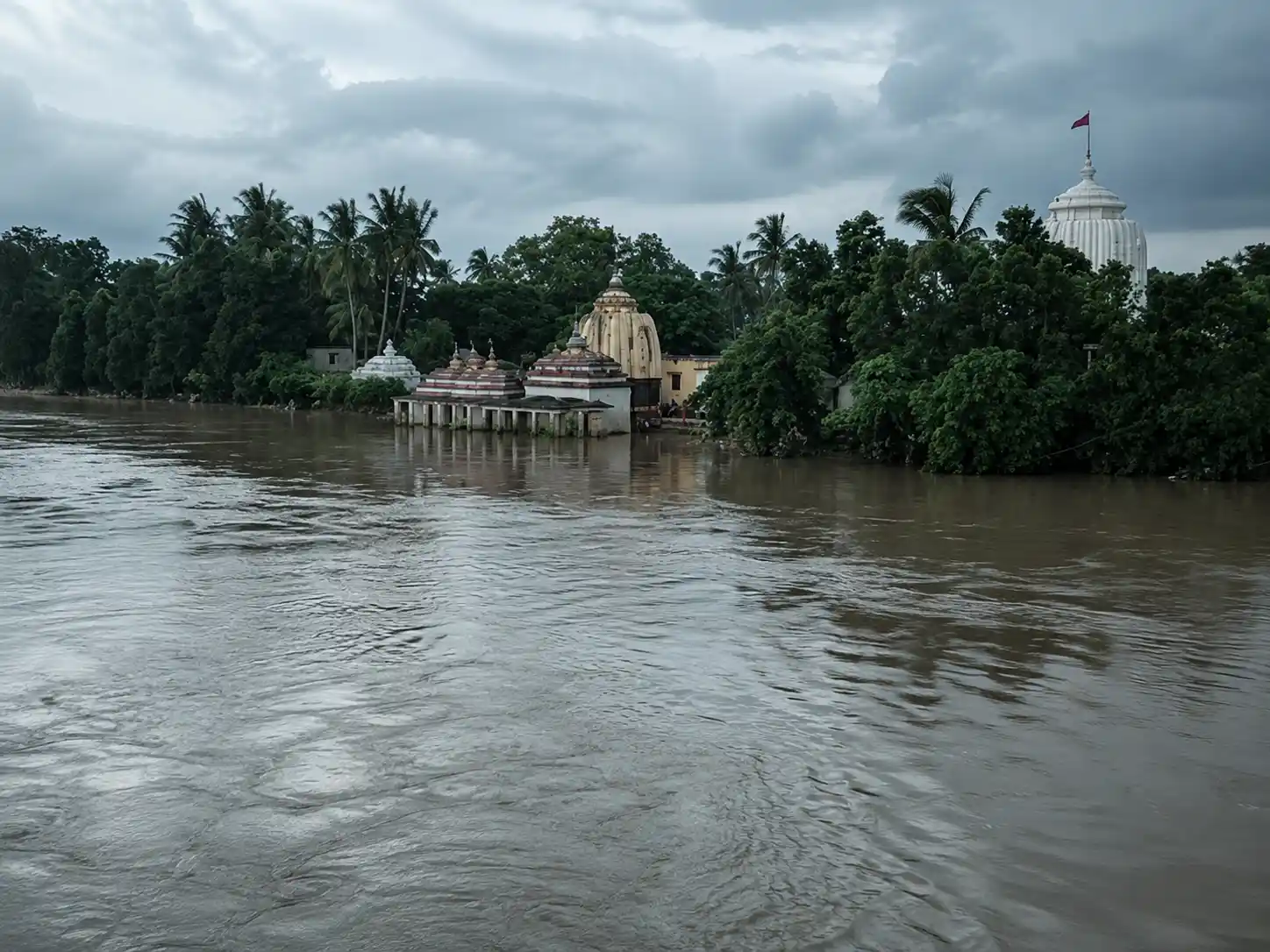
The Baitarani does not remain a hill river for long.
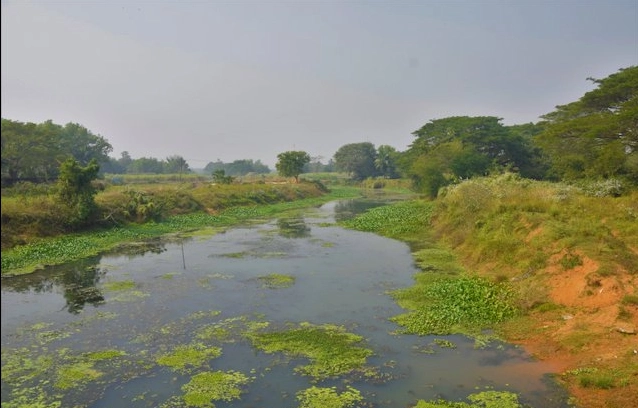
As it moves away from the upper reaches of Keonjhar, it enters areas with more agriculture and larger settlements. Its river system extends into districts including Jajpur and Bhadrak, eventually reaching the coastal region.
This change is easy to miss if the river is discussed only through its religious importance.
The river near its source and the river near the coast are not visually or geographically the same.
The upper stretches are tied to the hills of northern Odisha. Farther downstream, agriculture, settlements, waterways and coastal ecosystems become increasingly important.
By the time the river reaches the lower coastal region, the landscape has changed considerably from the one around Gonasika.
Why the Baitarani Matters to People
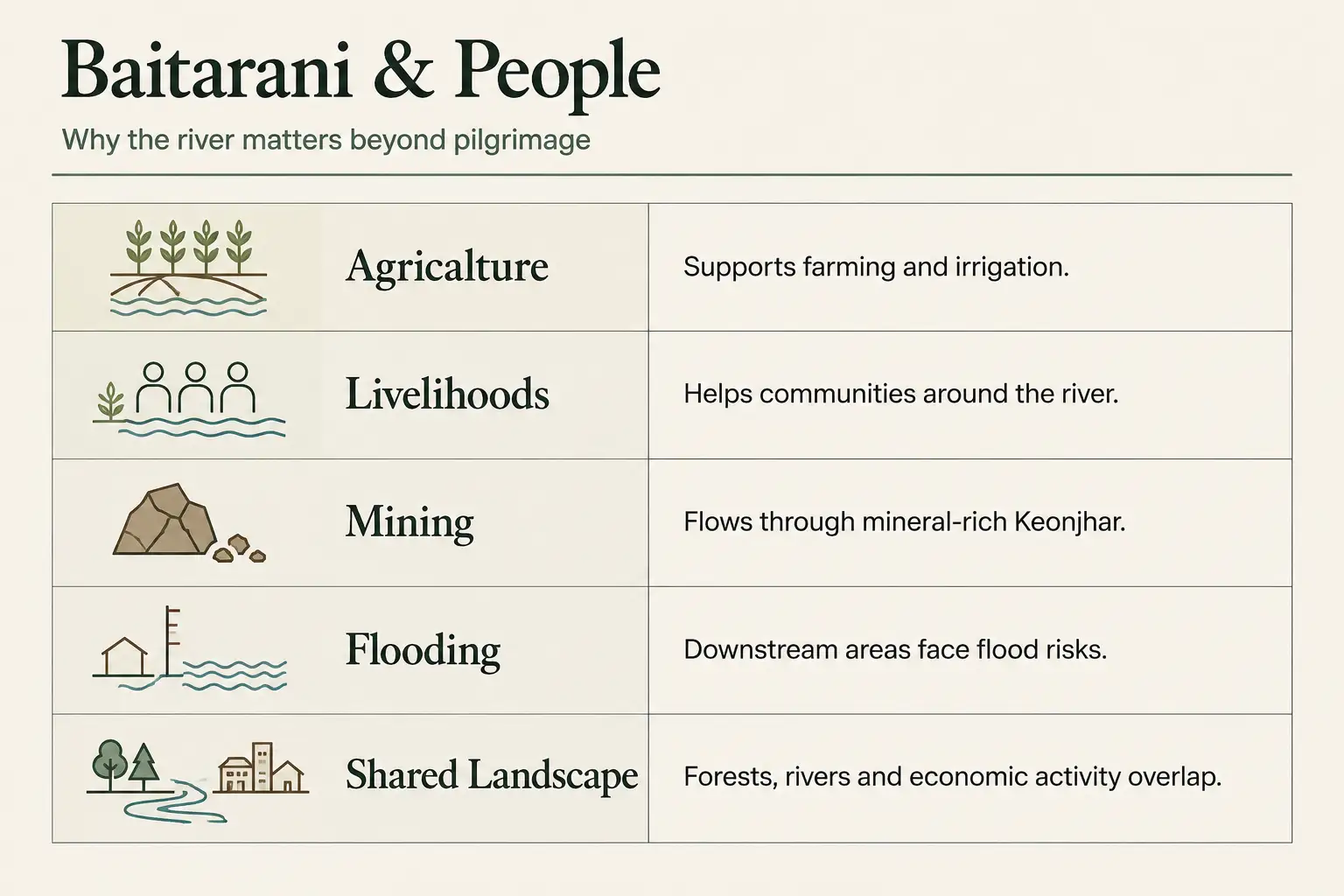
The Baitarani has always had uses beyond pilgrimage.
Its water supports agriculture and irrigation in parts of its basin. Communities living around the river depend on the wider river system for farming and other livelihoods.
The river also runs through one of Odisha's most important mineral-producing regions. Keonjhar's mining economy has a direct connection with the wider landscape through which the upper Baitarani flows.
That creates a difficult situation.
The same region has forests, rivers and mineral resources, while mining and industrial activity provide livelihoods and economic value. Flooding is another concern, particularly in downstream areas.
So the Baitarani is not a story of nature on one side and people on the other. The two are mixed together all along the river.
Places Connected With the Baitarani
There is no single Baitarani sightseeing route. The places associated with the river are spread across a large area and offer very different experiences.
Gonasika
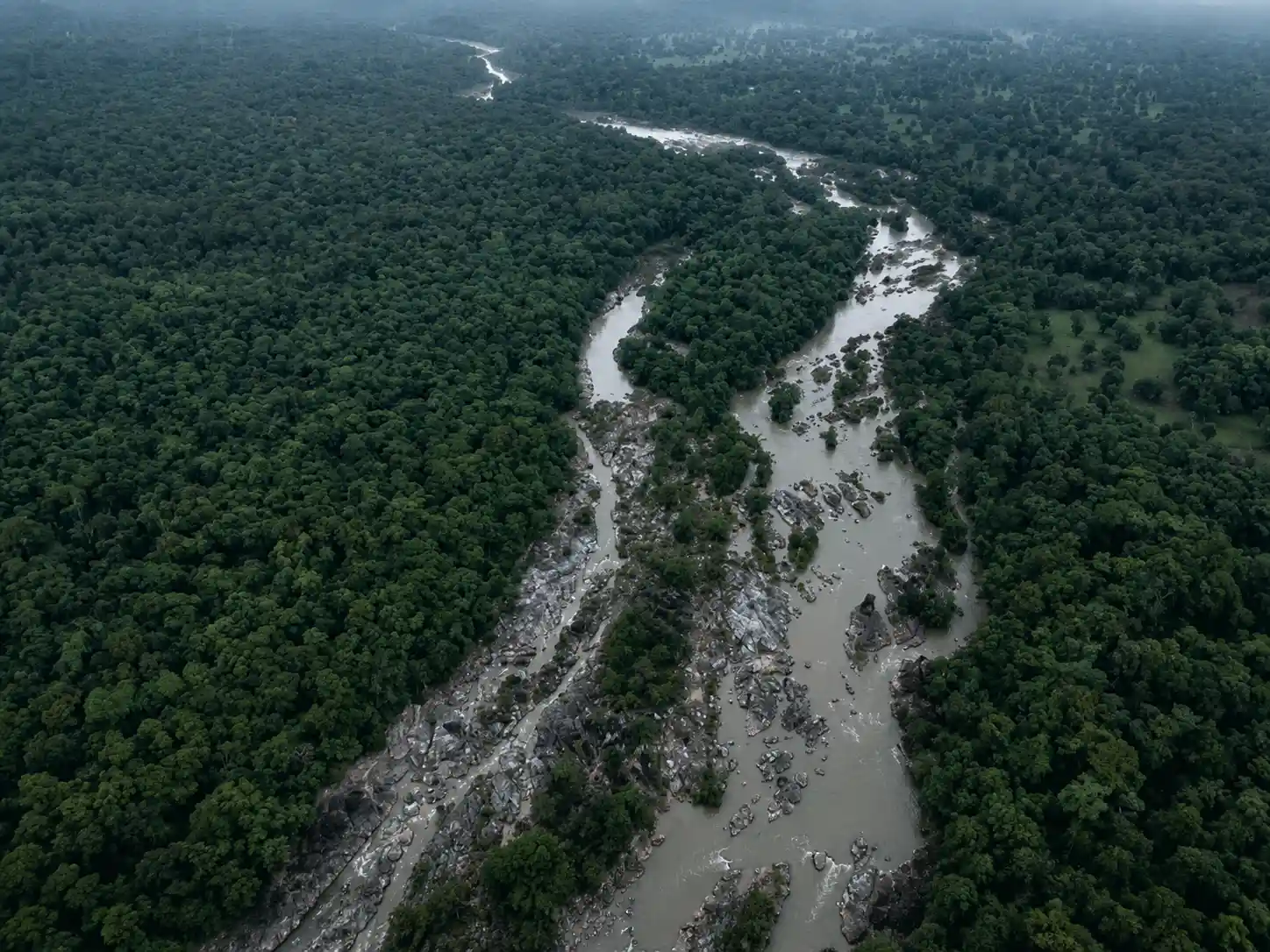
Gonasika is where the Baitarani's story begins.
The source area is important both geographically and religiously, with the river's origin associated with the traditional cow-shaped rock formation.
Anandapur
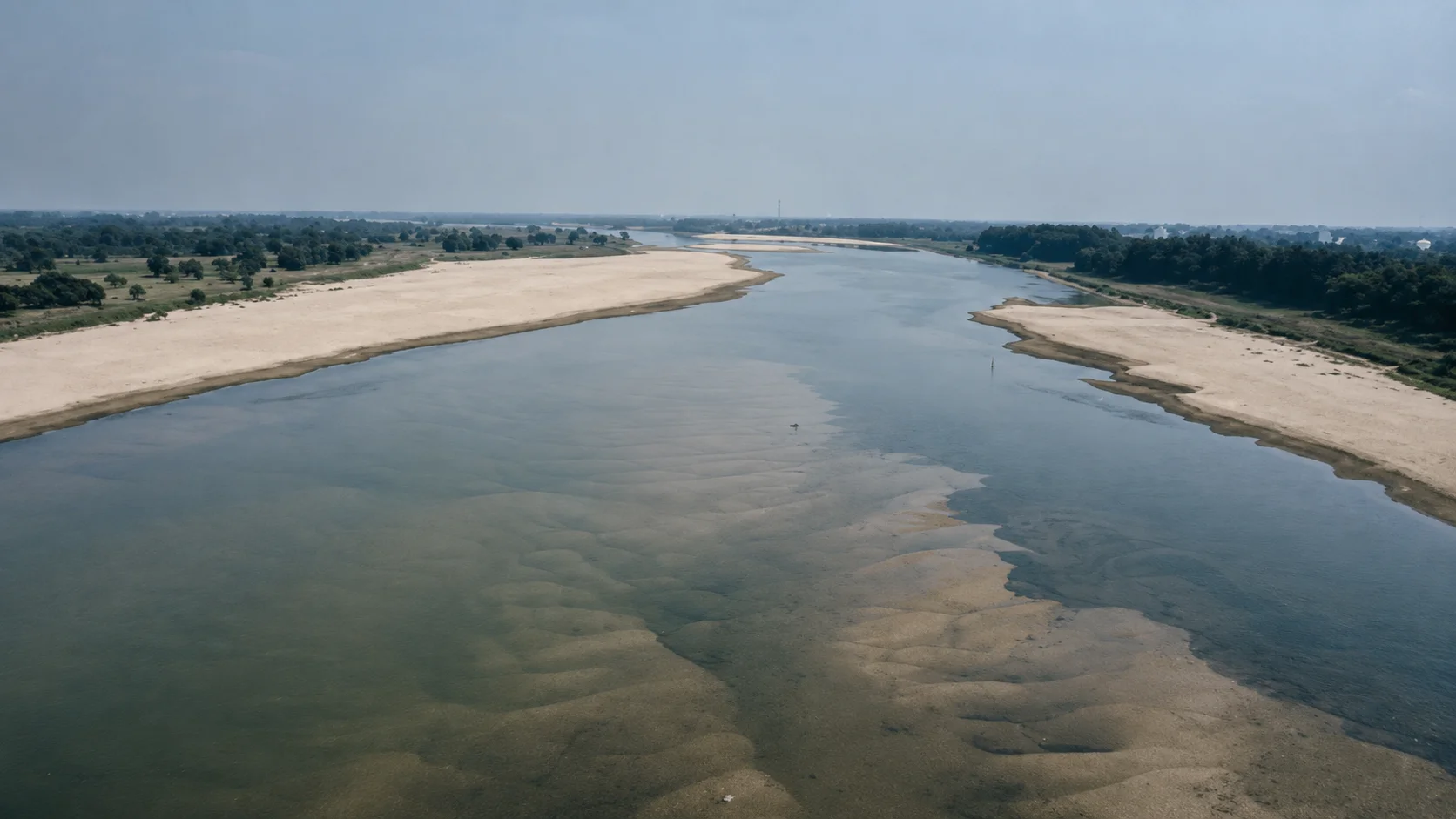
Anandapur lies within the Baitarani landscape and provides a different perspective from the hill country around the source.
The town and surrounding areas are closely connected with the river and the settlements that developed along it.
Akhandalmani Temple, Aradi
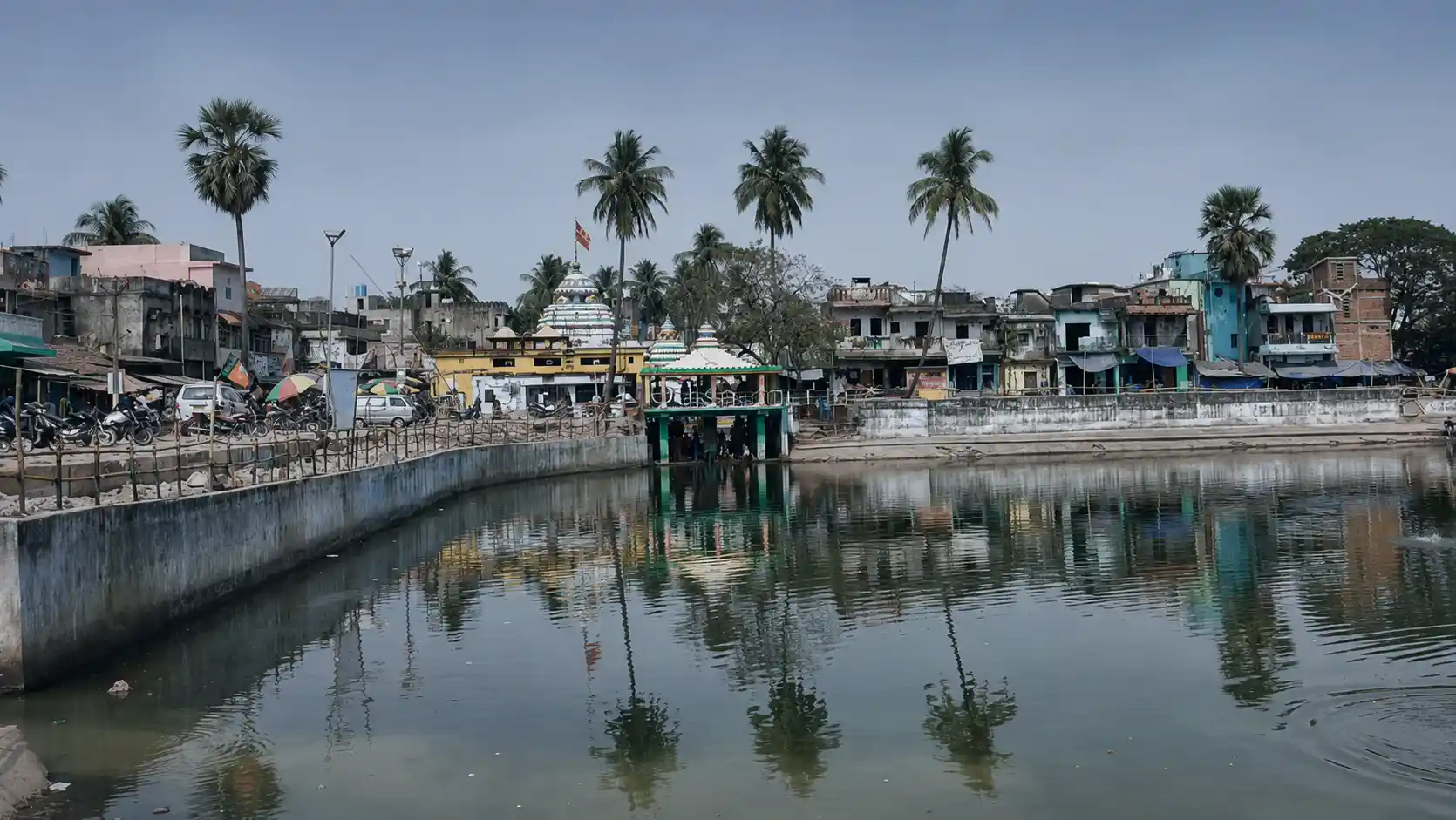
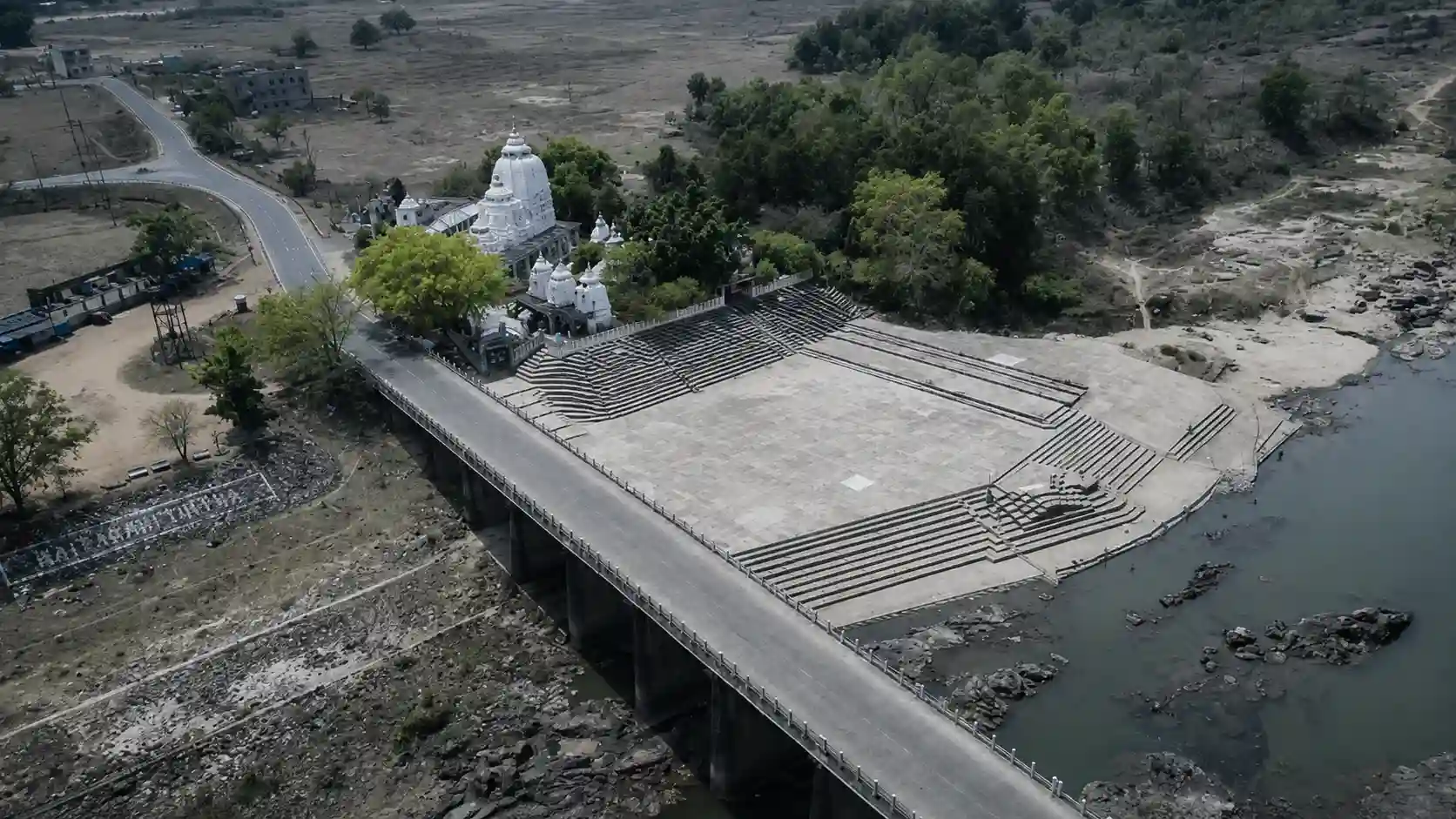
At Aradi in Bhadrak district, the Akhandalmani Temple is dedicated to Lord Shiva and is closely associated with the Baitarani.
The temple becomes particularly important during Shiva-related festivals, when devotees gather in large numbers.
Chandabali
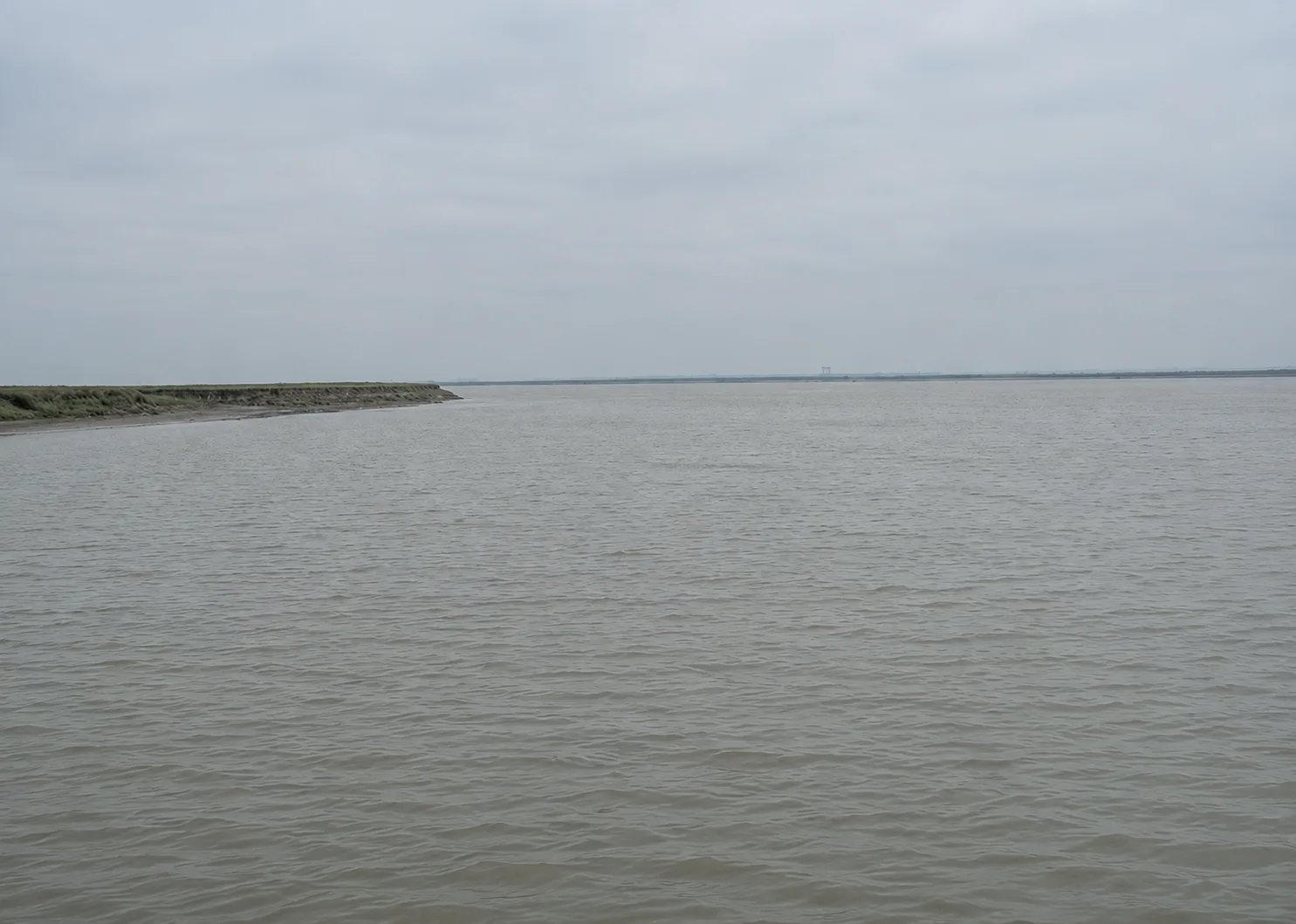
Chandabali lies in the lower Baitarani region, where the character of the river changes as it approaches Odisha's coastal waterways.
It is a useful place to understand the difference between the upper and lower Baitarani landscapes.
Bhitarkanika
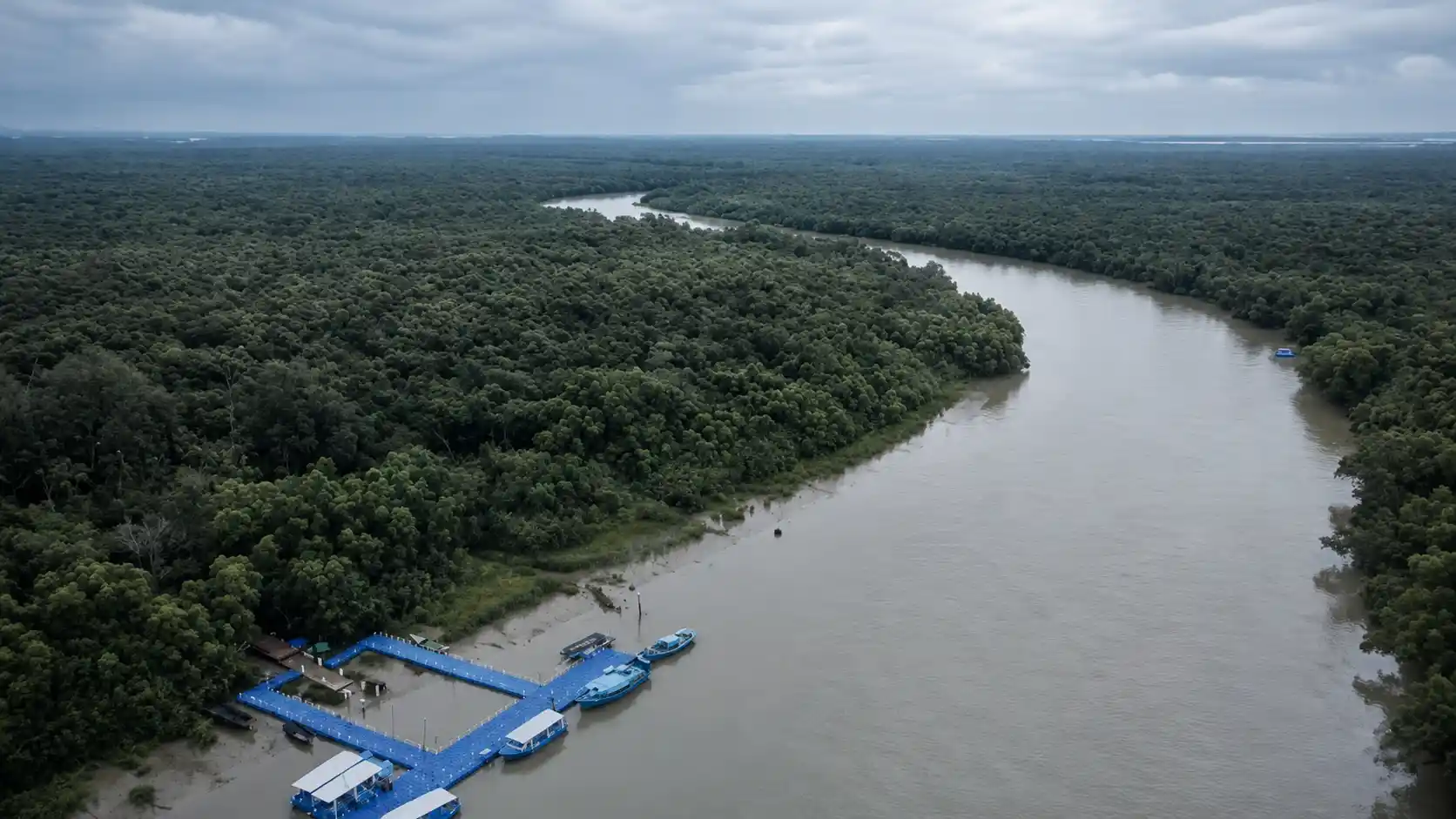
Further towards the coast, the river system connects with the wetland and mangrove environment around Bhitarkanika.
Here, the scenery is no longer the hills of Keonjhar. Tidal creeks, mangroves, birds and saltwater crocodiles dominate the landscape.
When to Visit the Baitarani
There is no single best month for the entire Baitarani because conditions vary considerably between the upper and lower stretches.
For general travel around the river region, October to March is more comfortable than the hotter months and the peak monsoon period.
Winter is particularly useful if you want to spend time beside the river rather than simply stop for a short visit.
The monsoon changes the river considerably. Water levels can rise, access to riverbanks can become difficult and conditions for bathing can change quickly.
Religious occasions bring another kind of change. Places associated with Shiva worship can become much busier during Maha Shivaratri, while the Shravan Bol Bam period brings its own movement of pilgrims.
Getting to the Baitarani
Because the Baitarani stretches across a large part of Odisha, there is no single route to “the Baitarani.”
If you are going to Gonasika or the upper Baitarani, your journey will generally be planned around Keonjhar and the surrounding road network.
For the middle and lower stretches, Jajpur and Bhadrak become more useful reference points.
For the coastal side, the route depends on whether you are heading towards Chandabali, Bhitarkanika or another part of the lower river system.
The practical point is simple: decide which stretch you want to see first. Otherwise, “visiting the Baitarani” is too broad a plan to be useful.
A Few Practical Things
The riverbank is not a controlled tourist attraction in most places, so conditions can be quite different from one location to another.
Keep a few things in mind:
- Ask locally before entering the water.
- Be particularly careful during and after the monsoon.
- Carry drinking water when travelling to less-developed stretches.
- Wear footwear suitable for uneven ground and riverbanks.
- At temples, follow the local rules regarding dress, footwear and photography.
- Do not assume that a quiet stretch of water is safe simply because other people are bathing there.
And if you are looking for a particular river access point, ask someone from the nearby village.
A map can show the river. It may not show the path people actually use to reach it.
Questions About the Baitarani River
Where does the Baitarani River originate?
The Baitarani originates in the Gonasika hills of Keonjhar district, Odisha. The source is traditionally associated with a cow-shaped rock formation and has religious importance.
Why is the Baitarani River sacred?
In Hindu tradition, the Baitarani is associated with the journey between life and the afterlife. This religious association has made the river an important site for ritual and pilgrimage.
How long is the Baitarani River?
The Baitarani is commonly described as being approximately 360 km long.
Which districts are associated with the Baitarani?
The river and its basin extend across several parts of northern Odisha, including Keonjhar, Jajpur and Bhadrak, before reaching the coastal region. Exact district descriptions can vary depending on whether a source is referring to the river's course or its wider basin.
What are the main tributaries of the Baitarani?
Among the tributaries associated with the river are Salandi, Kusei and Budhi.
Personal Experience of the Baitarani River Near Malda
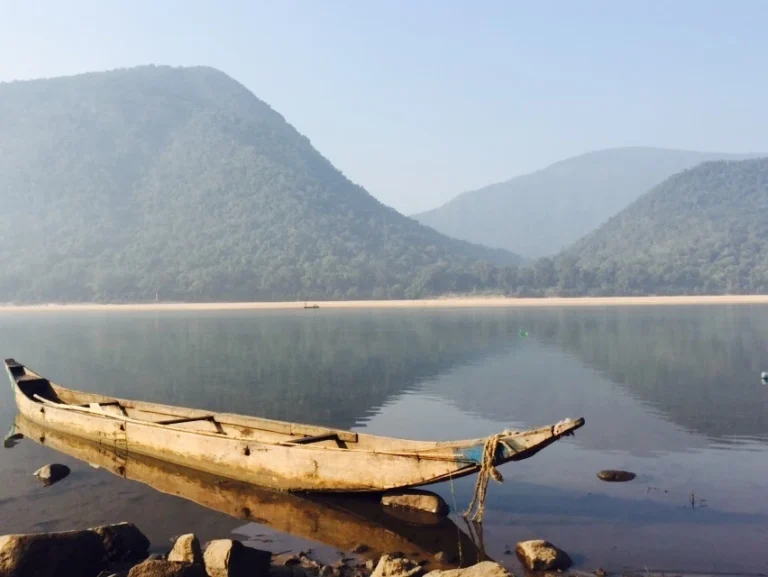
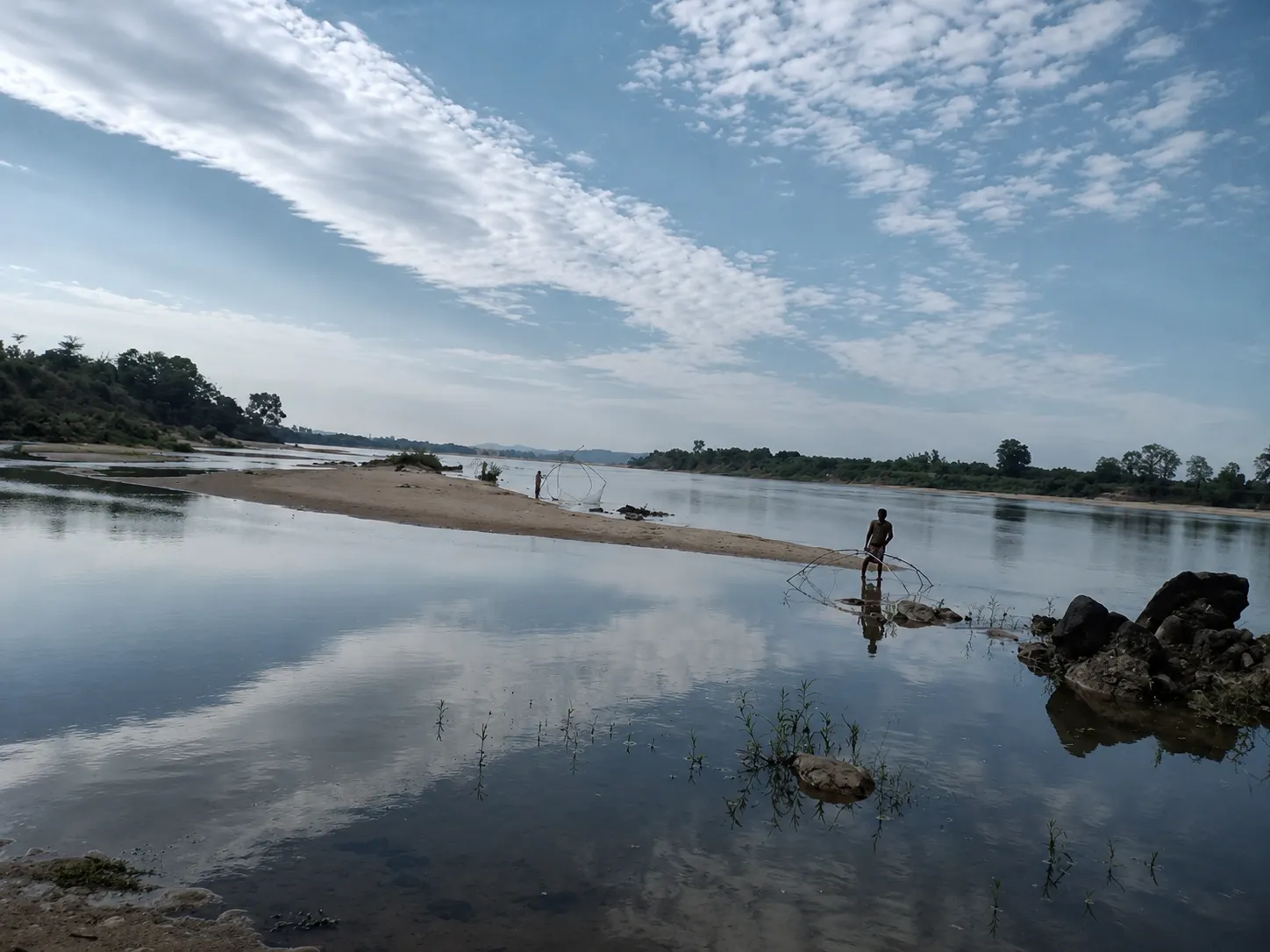
I have a childhood memory of visiting the Baitarani River near Malda, a rural village and Gram Panchayat in the Jhumpura area of Keonjhar (Kendujhar) district.
We used to go there to bathe in the river.
I don't remember looking at the river and thinking about its origin, its basin or its place in Hindu mythology. I was a child. We went to the river because that was what we did.
What stayed with me was the view.
The river looked really good from there, with the surrounding landscape opening up around the water. Even now, that is the part of the place I remember first.
There is also a Minabazar beside the river during the winter season. When the market is happening, the riverbank feels different from an ordinary day. There are stalls, people moving around and more activity along the water.
That small detail is easy to miss in a description of the Baitarani. But for someone who knows the Malda area, it is part of what the riverbank actually means.
For me, the Baitarani near Malda is therefore tied to something much simpler than the usual descriptions of a sacred river. It is a place I remember from childhood—going to the water, seeing the river spread out in front of us and spending time there.
The Baitarani Is Best Understood in Pieces
The Baitarani begins as a river associated with a sacred source at Gonasika. It then moves through the hills and settlements of Keonjhar, crosses agricultural areas, passes important religious sites and eventually enters the coastal landscape.
Each stretch has its own story.
The Baitarani near Gonasika is not the Baitarani near Bhadrak. And the riverbank near a village such as Malda is not the same experience as seeing the lower river around the coast.
Perhaps that is why the river has remained important for so long.
It is not one thing.
It changes as Odisha changes around it.