Trip facts
Deity
Lord Shiva as Chandeswar, a Swayambhu lingam
Location
Chandeswar, Tangi, Khordha district
From Bhubaneswar
About 74 km south on NH-16
Nearest station
Kalupara Ghat, about 3 km
Festivals
Kartika Purnima Mela, Jagar Yatra
Best time
October to March
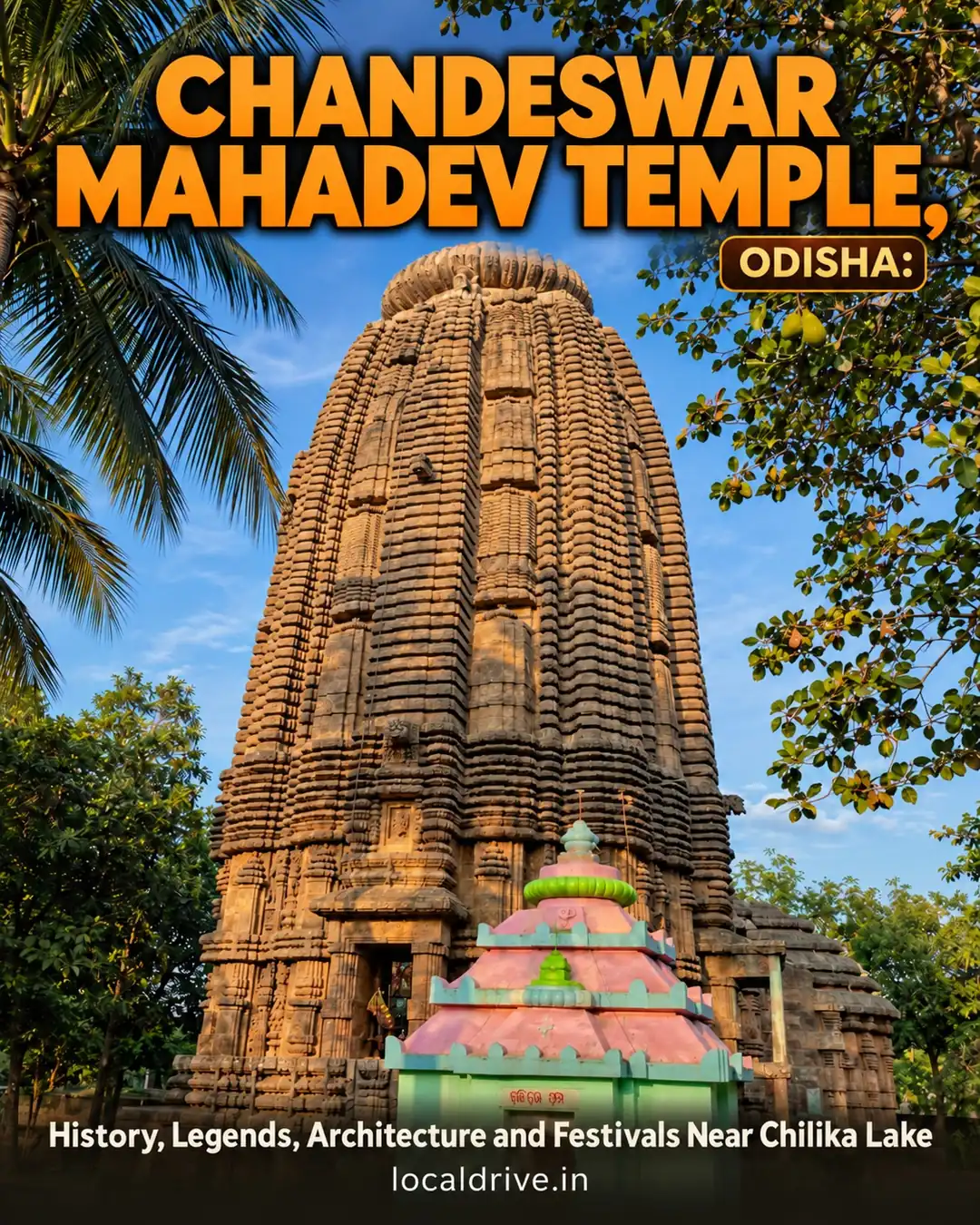
Hidden amidst lush greenery near the picturesque Chilika Lake in Odisha, Chandeswar Mahadev Temple is one of the region's significant ancient Shaivite pilgrimage sites. More than just a place of worship, this historic temple represents centuries of religious traditions, royal patronage, architectural craftsmanship, and the cultural identity of the surrounding villages.
Located near Chandeswar in the Tangi region of Odisha, the temple is associated with the ancient history of the Somavamsi dynasty and is traditionally believed to have been established in the 10th century.
From its self-manifested Shiva Lingam and fourteen sacred shrines to its vibrant Kartika Purnima celebrations, Chandeswar Mahadev offers a fascinating glimpse into Odisha's lesser-known temple heritage.
If you are exploring Odisha's spiritual destinations beyond its popular pilgrimage circuits, this temple deserves a place on your heritage travel list.
Where Is Chandeswar Mahadev Temple Located?
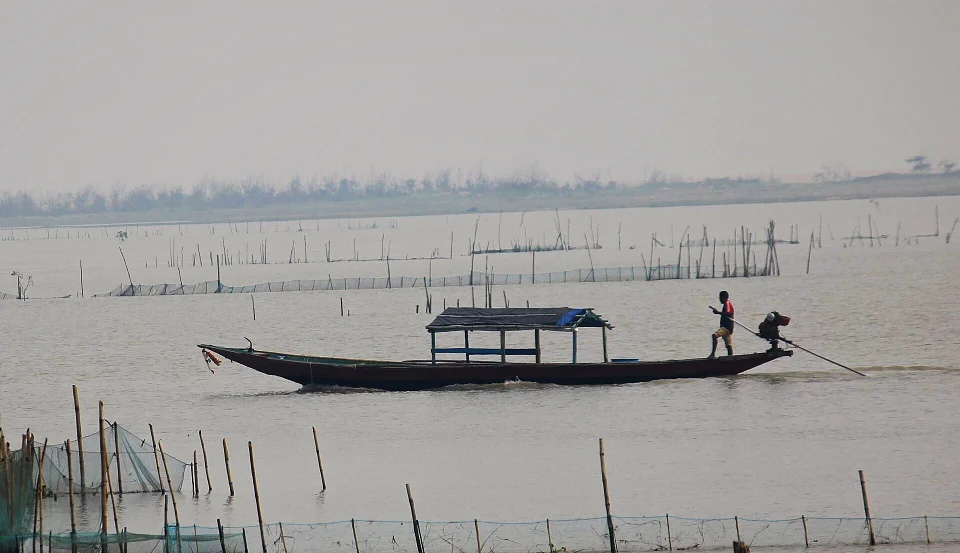
Chandeswar Mahadev Temple is situated at Chandeswar, in the Tangi region of Odisha, close to the northern part of Chilika Lake.
According to the historical account, the temple can be reached through the Grand Trunk Road, approximately 74 kilometres south of Bhubaneswar. Chandeswar Bus Stop is the nearest identified bus stop, while Kalupara Ghat Railway Station is approximately 3 kilometres east of the temple.
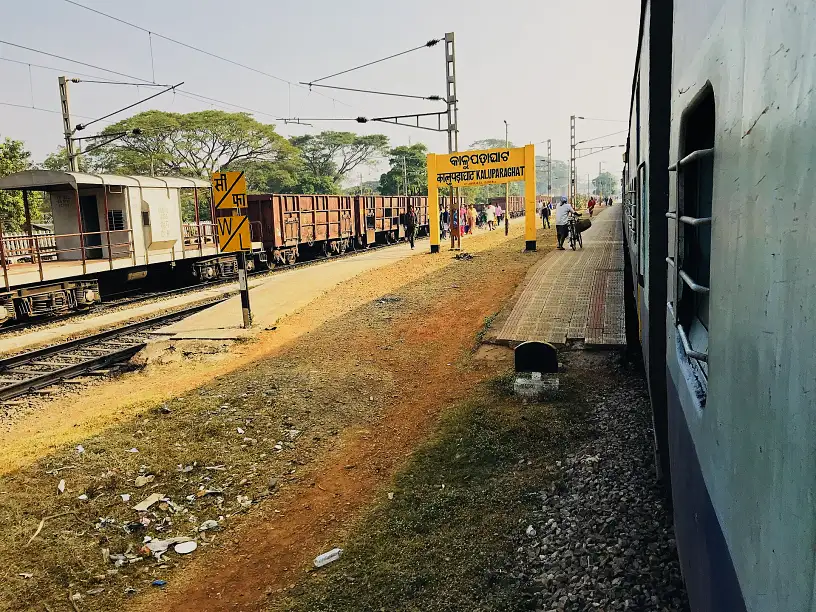
The surrounding landscape adds to the temple's charm. Mango, jackfruit, champa, bakul and other trees create a peaceful atmosphere around the sacred complex. The Kausumi River, locally known as Kusumi, also flows nearby.
Its proximity to Chilika Lake makes the destination particularly interesting for travellers exploring the cultural and natural heritage of this region.
The History of Chandeswar Mahadev Temple
The history of Chandeswar Mahadev Temple is closely connected with the development of Shaivism in ancient Odisha.
According to the historical account cited in the source document, the Chilika coastal region was once part of the ancient Kangoda kingdom. During the Somavamsi period, Shaivism gained considerable prominence in this region.
The Madala Panji tradition attributes the construction of this temple to King Yayati II, also known as Chandiharadeva, around 928 CE.
The king is believed to have established the temple in honour of Lord Shiva, making it an important religious landmark of his reign.
Historian Kedarnath Mahapatra also associated the temple with the achievements of the Somavamsi ruler, describing it as an enduring contribution to the religious and architectural heritage of the region.
Historically, this sacred site was also known as Keshar Kshetra, a name associated with the Keshari rulers and the surrounding Keshar forest.
The Legend of the Self-Manifested Shiva Lingam
One of the most fascinating aspects of Chandeswar Mahadev Temple is the local legend surrounding the appearance of its presiding deity.
According to popular belief, Lord Chandeswar was not installed by human hands. The Shiva Lingam is considered Patala Phuta or self-manifested (Swayambhu).
The legend says that the Lingam appeared naturally amidst dense vegetation consisting of Nageswar, Bakul and other trees.
A black cow would reportedly visit the spot every day and shower milk over the Lingam from its udder. A cowherd eventually noticed this extraordinary occurrence and informed the king.
Upon witnessing the phenomenon, the king recognised the sacred presence of Lord Shiva and arranged for a temple to be constructed around the Lingam. Land and provisions were also allocated for the deity's worship and daily rituals.
This legend continues to form an important part of the temple's spiritual identity.
Fourteen Sacred Shiva Lingams: A Temple Complex of Divine Significance
Chandeswar Mahadev is not just a single-shrine temple. Its sacred premises, spread across approximately 18 acres, contain fourteen Shiva Lingams and several other temples.
The complex is surrounded by trees such as champa, bakul, mango, jackfruit, bel and nagakesara, creating the atmosphere of a traditional sacred garden.
Some of the prominent Shiva shrines include:
- Kaleswar: Located towards the northeast of the main deity.
- Harihara: Representing the combined divine forms of Shiva and Vishnu.
- Gaurihara: Another sacred dual-form Shiva shrine.
- Gomukheswar: Situated towards the southern side.
- Ananteswar: Located north of Gomukheswar.
- Gangeswar: Positioned towards the eastern side.
- Sangameswar: Located in the southeastern direction.
- Nilakantheswar: Situated near Sangameswar.
- Daksheswar: Located in front of Nilakantheswar.
- Yameswar: Another important shrine within the complex.
- Dhaneswar and Bhimeswar: Additional Shiva Lingams in the sacred premises.
- Siddheswar: Located between Chandeswar and Ananteswar.
The complex also houses temples dedicated to Goddess Ashtabhuja Durga, Lord Narasimha and Lakshmi Narayan.
The presence of both Shiva and Narayan shrines gives this sacred site the identity of a Harihara Kshetra, representing the spiritual harmony between Shaivism and Vaishnavism.
Chandeswar and the Ancient Kuhudi Six Fort Kingdom
The historical significance of Chandeswar extends beyond its religious identity.
The temple was traditionally regarded as the principal deity of the ancient Kuhudi Chha'gada region, a cluster of six historic forts or Garhs.
These included:
- Kuhudi Garh
- Soran Garh
- Jaripada Garh
- Bhajagarh
- Badapari Garh
- Orad Garh
According to local historical traditions, these forts played an important role in the political and defensive organisation of the region.
Remains of fort walls, moats and royal bathing ponds are mentioned in the historical account as evidence of the area's former administrative and military significance.
Lord Chandeswar was revered as the principal deity of this larger region. The temple also served as an important social institution where community disputes among certain traditional groups were resolved through collective assemblies.
This connection makes the temple an important part of the social history of the Chilika region.
Festivals and Celebrations at Chandeswar Mahadev Temple
Festivals are central to the religious and cultural life of Chandeswar.
The two major annual celebrations mentioned in the historical account are:
Kartika Purnima Mela
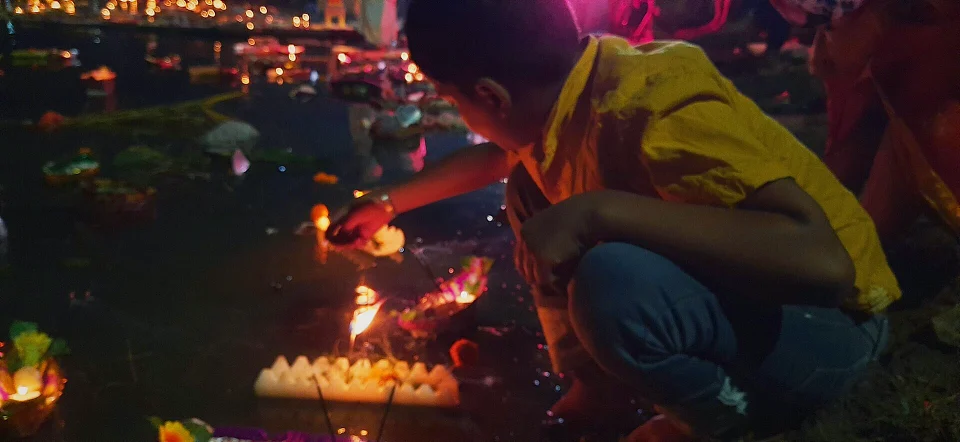
Kartika Purnima is one of the most significant occasions at Chandeswar Mahadev Temple. Devotees gather in large numbers to offer prayers and participate in the celebrations.
The sacred bathing traditions associated with the Kausumi River and the temple's rituals make this occasion particularly important.
Jagar Yatra
Jagar Yatra, associated with the worship of Lord Shiva, is another major religious celebration at the temple.
Apart from these, several festivals are observed throughout the year, including:
- Dhanur Sankranti
- Makara Sankranti
- Pausha Purnima
- Basanta Panchami
- Dola Purnima
- Chandan Yatra
- Shiva Bibaha
- Sital Sasthi
- Shayana Chaturdashi
- Utthana Chaturdashi
The historical account also describes a traditional 20-day Chandan Chacheri celebration involving representatives from the surrounding Garhs.
The Traditional Shiva Bibaha Celebration
One particularly fascinating tradition was the ceremonial marriage of Lord Chandeswar and Goddess Uma.
According to the historical description, the deity was dressed as a groom and taken in a ceremonial procession to Orad Garh, where the wedding rituals were performed according to traditional customs.
After the marriage ceremony and community feast, the divine couple's images were brought back to the temple.
Although some of these elaborate customs have gradually declined, they remain an important part of the temple's cultural memory.
The Temple's Connection with Danda Nata and Odisha's Folk Culture
Chandeswar Mahadev Temple has historically played a significant role in preserving the traditional performing arts of the region.
The surrounding villages, including Kuhudi, Soran and other settlements, have long maintained connections with Danda Nata groups.
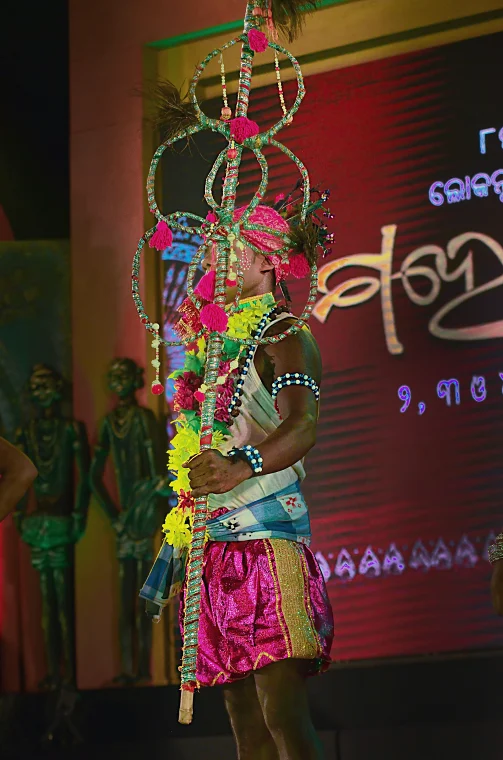
During the Pana Sankranti period, devotees and performers observe religious vows, undertake fasting and participate in traditional rituals associated with the deity.
Night-long performances, ritual dances and folk theatrical traditions have historically formed an integral part of these celebrations.
Over time, traditional village performances evolved into more elaborate forms of folk theatre, eventually connecting with the development of modern Jatra and opera traditions in Odisha.
This association demonstrates how temples in rural Odisha have historically functioned not only as religious centres but also as important spaces for community participation and cultural expression.
The 1955 Cyclone: A Difficult Chapter in the Temple's History
The temple has also witnessed a difficult chapter in its history.
According to the source document, on 29 October 1955, a severe cyclone struck the region, causing a major portion of the temple structure to collapse.
The incident deeply affected the local devotees, who gathered to clear the debris and ensure the safety of the presiding deity.
Fortunately, Lord Chandeswar's Lingam was found unharmed.
The reconstruction efforts were subsequently supported by the initiative of labour leader Ranganath Samantaray of Choudwar, who helped prepare a new architectural plan and mobilise financial contributions.
The historical account also mentions subsequent restoration and conservation efforts involving the Odisha Government and the Archaeological Survey of India (ASI).
The rebuilding of the temple stands as a testament to the devotion and collective efforts of the local community.
Kausumi River and the Spiritual Significance of Kartika Purnima
The Kausumi River, also known as Kusumi, holds special religious significance in the traditions associated with Chandeswar Mahadev.
According to the Sanskrit text Keshar Mahatmya, the sacred Keshar forest was situated near the river, west of the Nilashaila region.
The text describes the spiritual importance of bathing in the river, particularly on Kartika Purnima.
Another fascinating ritual mentioned in the historical account is the ceremonial bathing of Lord Chandeswar himself.
On Kartika Shukla Chaturdashi, the deity is traditionally believed to visit a sacred stretch of the river known as Hulahula Ganda before returning to the temple for ceremonial purification.
These traditions reflect the close relationship between the temple, the river and the sacred geography of the region.
Why Chandeswar Mahadev Temple Deserves a Place on Odisha's Heritage Map
Chandeswar Mahadev Temple represents several layers of Odisha's heritage:
- Ancient history: Its association with the Somavamsi dynasty and King Yayati II.
- Religious significance: Its self-manifested Shiva Lingam and fourteen sacred Shiva shrines.
- Architectural heritage: Its traditional temple craftsmanship and restoration history.
- Living traditions: Its annual festivals, rituals and religious celebrations.
- Folk culture: Its historical relationship with Danda Nata and village theatre.
- Community heritage: Its role in the social and cultural life of the Kuhudi Chha'gada region.
The temple is also mentioned in literary works such as Digambar Chandan's Khoradha Darpana and Radhanath Ray's Chilika, further reflecting its place in Odisha's cultural imagination.
For travellers interested in history, spirituality, architecture and regional traditions, Chandeswar offers an opportunity to discover a lesser-explored dimension of Odisha.
Frequently Asked Questions
Where is Chandeswar Mahadev Temple located?
Chandeswar Mahadev Temple is located at Chandeswar in the Tangi region of Odisha, near Chilika Lake. It is accessible via the Grand Trunk Road.
Who built Chandeswar Mahadev Temple?
According to the historical tradition recorded in the source, King Yayati II, also known as Chandiharadeva of the Somavamsi dynasty, is credited with constructing the temple around 928 CE.
What is special about Chandeswar Mahadev Temple?
The temple is known for its self-manifested Shiva Lingam, fourteen sacred Shiva shrines, associated temples of other Hindu deities, and its historical and cultural significance in the Chilika region.
Why is Chandeswar Mahadev called a Swayambhu Shiva?
According to local legend, the Shiva Lingam appeared naturally beneath dense vegetation. A cow was believed to shower milk over it daily, leading to its discovery and the subsequent construction of the temple.
How many Shiva Lingams are present at Chandeswar Temple?
The temple complex is traditionally described as housing fourteen Shiva Lingams, including Chandeswar, Harihara, Gaurihara, Gomukheswar, Ananteswar and other deities.
Which festivals are celebrated at Chandeswar Mahadev Temple?
Kartika Purnima Mela and Jagar Yatra are the two major celebrations. Other festivals include Chandan Yatra, Shiva Bibaha, Dola Purnima, Makara Sankranti and Sital Sasthi.
What is the historical connection between Chandeswar and Kuhudi Chha'gada?
Chandeswar Mahadev was regarded as the principal deity of the Kuhudi Chha'gada region, a historical cluster of six forts that formed an important part of the area's social and political history.
Is Chandeswar Mahadev Temple near Chilika Lake?
Yes. The temple is situated near the Chilika region, making it an interesting heritage destination for travellers exploring the northern part of Chilika Lake.
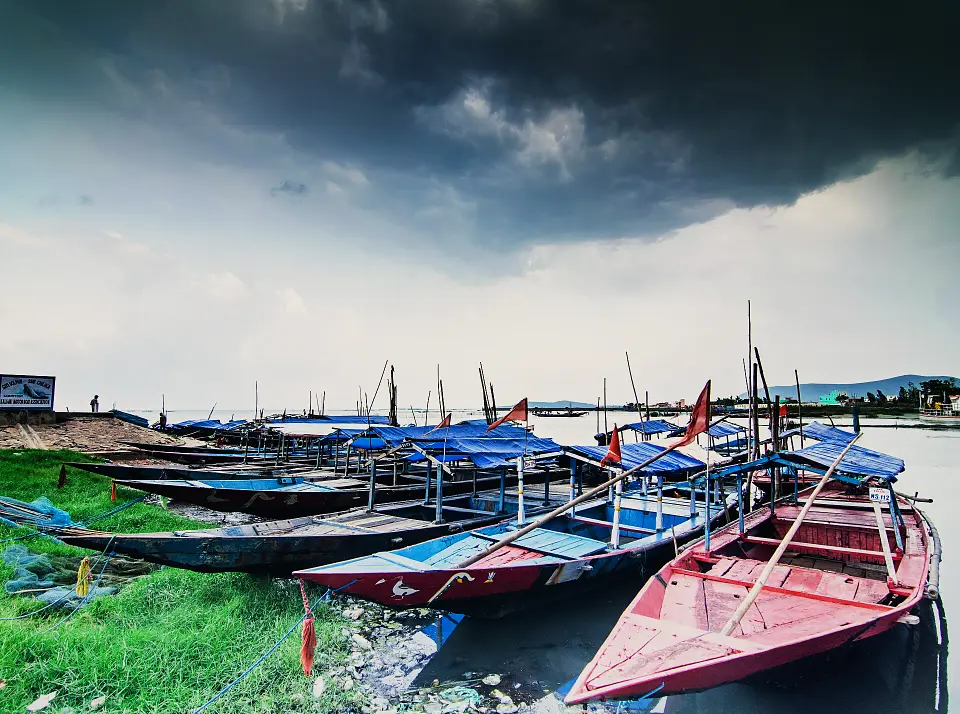
Photos: Wikimedia Commons, colour-graded by LocalDrive. Photos show nearby places, not the temple itself. By IM3847 (CC BY-SA 4.0); Phadke09 (CC BY-SA 4.0); Prateek Pattanaik (CC BY-SA 4.0); LIPSA GHANA (CC BY-SA 4.0); Sambit 1982 (CC BY-SA 4.0).
Related guide: Browse more Shiva temples of Odisha.