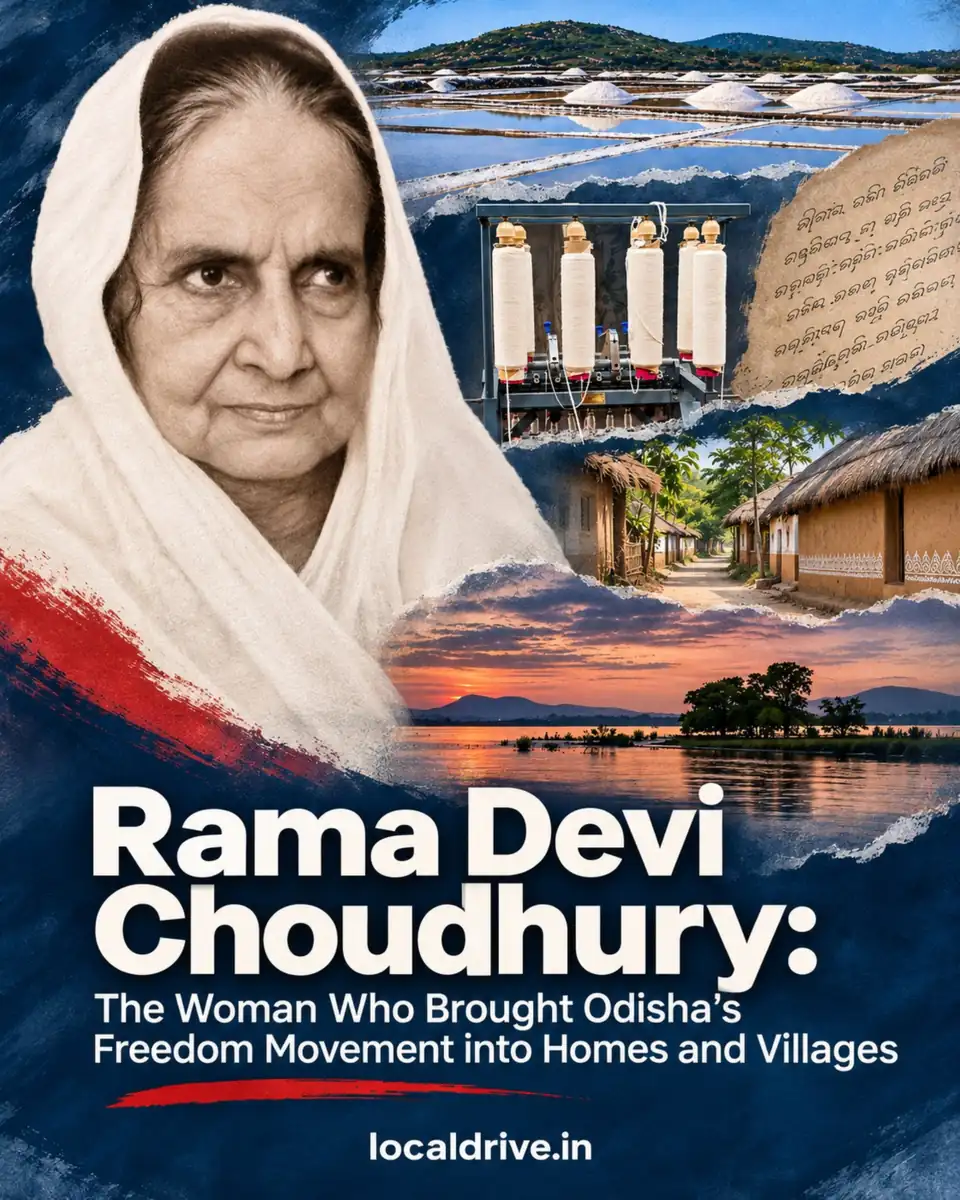
Trip facts
Born
3 December 1899
Birthplace
Satyabhamapur, Cuttack district
Died
22 July 1985
Known as
‘Maa’ of Odisha
Husband
Gopabandhu Choudhury
Award
Jamnalal Bajaj Award, 1981
The public life of Rama Devi Choudhury
On 23 March 1921, a group of women gathered at the Binod Bihari temple precinct in Cuttack to hear Mahatma Gandhi. Rama Devi Choudhury was among them. She brought hand-spun yarn as an offering. Other women gave jewellery or money. The difference was small in appearance but revealing: spinning, wearing khadi and working among ordinary people would become the practical centre of her politics.
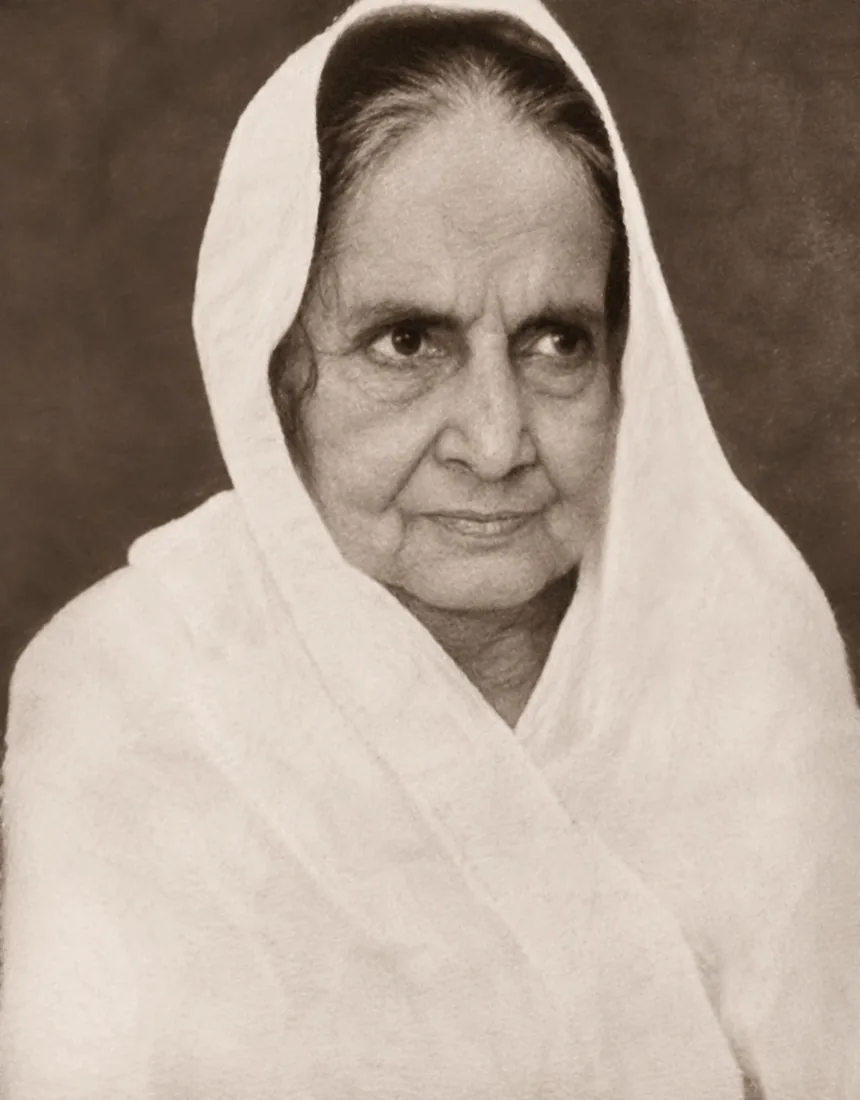
Rama Devi went on to help organise women in villages where public political activity had long been considered a man's concern. She walked to settlements, held meetings, encouraged women to break the colonial salt laws and worked with people facing poverty, caste discrimination and natural disasters. Odisha came to know her affectionately as 'Maa'. Her influence did not end with independence in 1947; in many ways, the decades that followed made the range of her work even clearer.
Childhood, family and the decision to enter public life
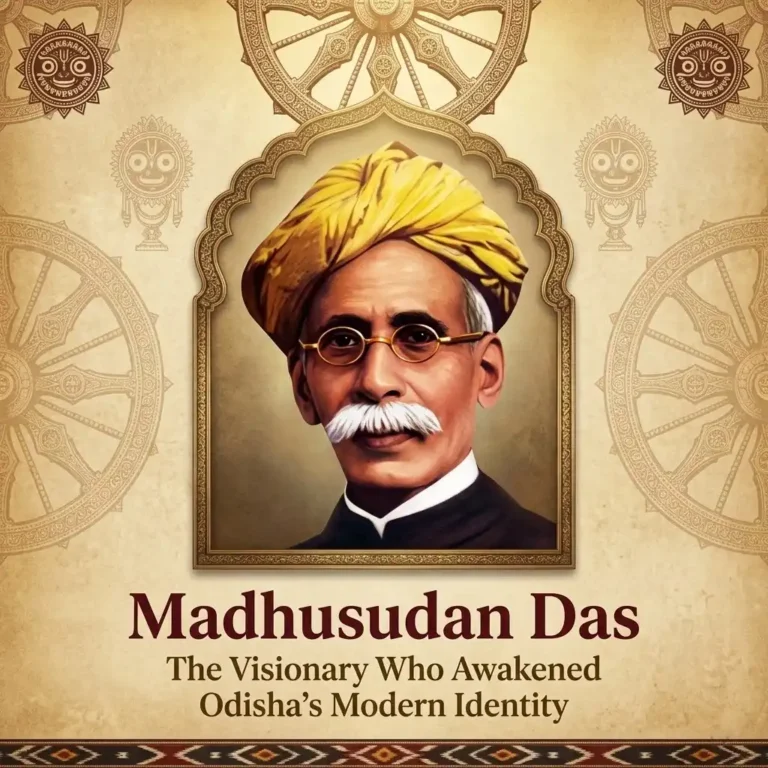
Rama Devi was born on 3 December 1899 into the family of Gopal Ballav Das and Basanta Kumari Devi. Most accounts place her birth at Satyabhamapur in Cuttack district; a few simply say Cuttack. Her uncle was Madhusudan Das, a major figure in Odisha's public life, and his example of service and political organisation influenced her early thinking.
Formal education was not readily available to girls in many families of that period. Rama Devi's upbringing reflected those restrictions, though her mother also shaped her outlook. She married Gopabandhu Choudhury in November 1914. He was serving as a deputy magistrate, a position that promised status and financial security. The couple eventually made a very different choice. Gopabandhu resigned from government service in 1921, and both became active in the nationalist movement.
Their children included Manmohan and Annapurna, who later became associated with public service. Political work was therefore not something Rama Devi carried on apart from family life; it changed the direction of the household itself. Khadi replaced expensive clothing, and travel, meetings and service became ordinary parts of daily life.
1921: Gandhi's visit to Cuttack and a turning point
Gandhi's visit to Odisha in March 1921 brought the Non-Cooperation Movement directly into the city's public spaces. The women's gathering at Binod Bihari was particularly important. At a time when many women remained outside formal politics, it gave them a direct place in the discussion of swaraj. Rama Devi attended and subsequently committed herself to Gandhian work.
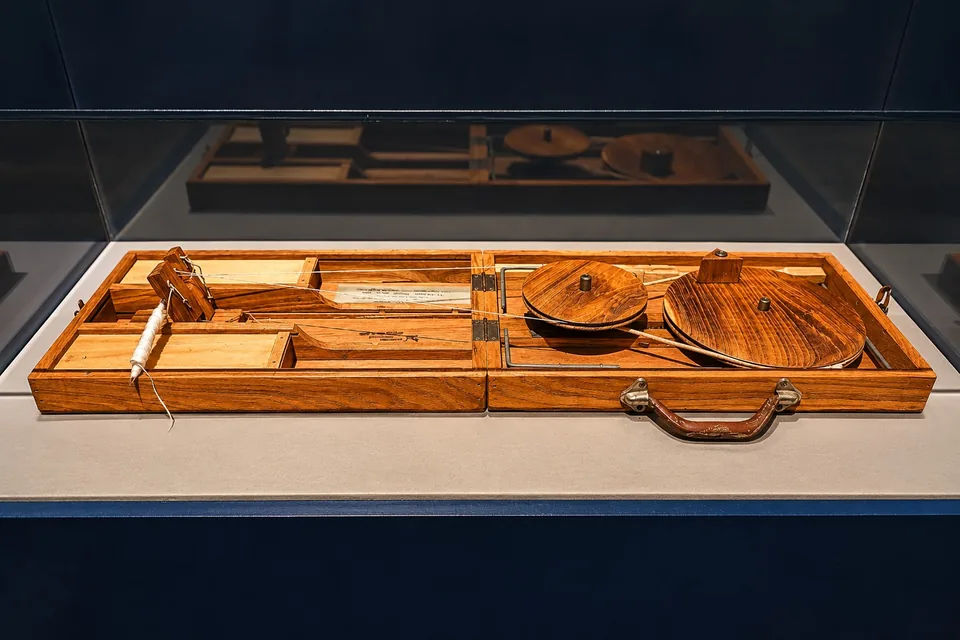
Her contribution was not limited to attending prominent meetings. She and Gopabandhu joined the Indian National Congress, adopted khadi and encouraged others to participate. Rama Devi visited villages and spoke to women who had rarely been invited to think of themselves as political actors. She also attended the Gaya Congress session in 1922 and the Calcutta session in 1928. Those gatherings connected her work in Odisha to the wider national movement, but the villages remained her main field of activity.
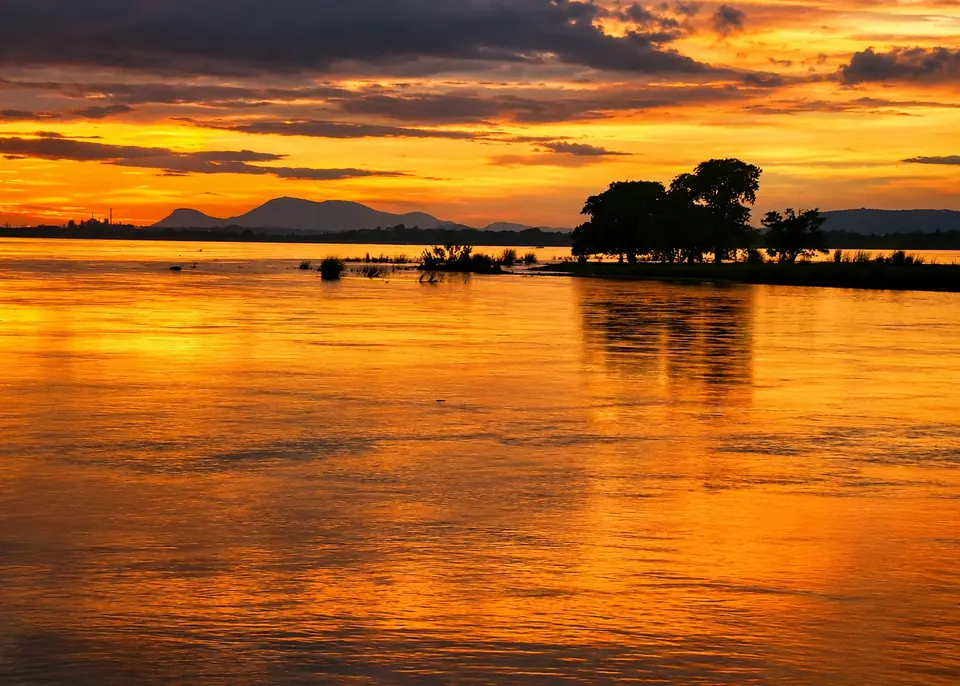
In 1928, Alaka Ashram developed near Jagatsinghpur, beside the Alaka River. It served as a centre for relief and constructive work. Young women participated in distributing medicine and helping people in need. The ashram represented a pattern that would recur throughout Rama Devi's life: a political commitment translated into tasks that could be carried out by local volunteers.
Inchudi, Kujang and the women who broke the salt law
The Salt Satyagraha of 1930 was a defining chapter in Rama Devi's public career. On the Odisha coast, the right to make salt had a direct economic meaning. Colonial restrictions and taxation affected a commodity used in every household. Inchudi in Balasore and Kujang on the Cuttack coast became important centres of civil disobedience.
Rama Devi travelled to Inchudi with activists including Malati Devi and Kiranbala Sen. The first group of women satyagrahis reached the area in April 1930, defying official restrictions. Their work did not stop at the protest site. They went house to house, asking women to join, and carried the campaign to places such as Srijang. At Kuarpur, groups of women prepared salt in open defiance of the law. The significance lay not merely in the salt collected, but in who collected it: rural women were acting publicly against colonial authority.
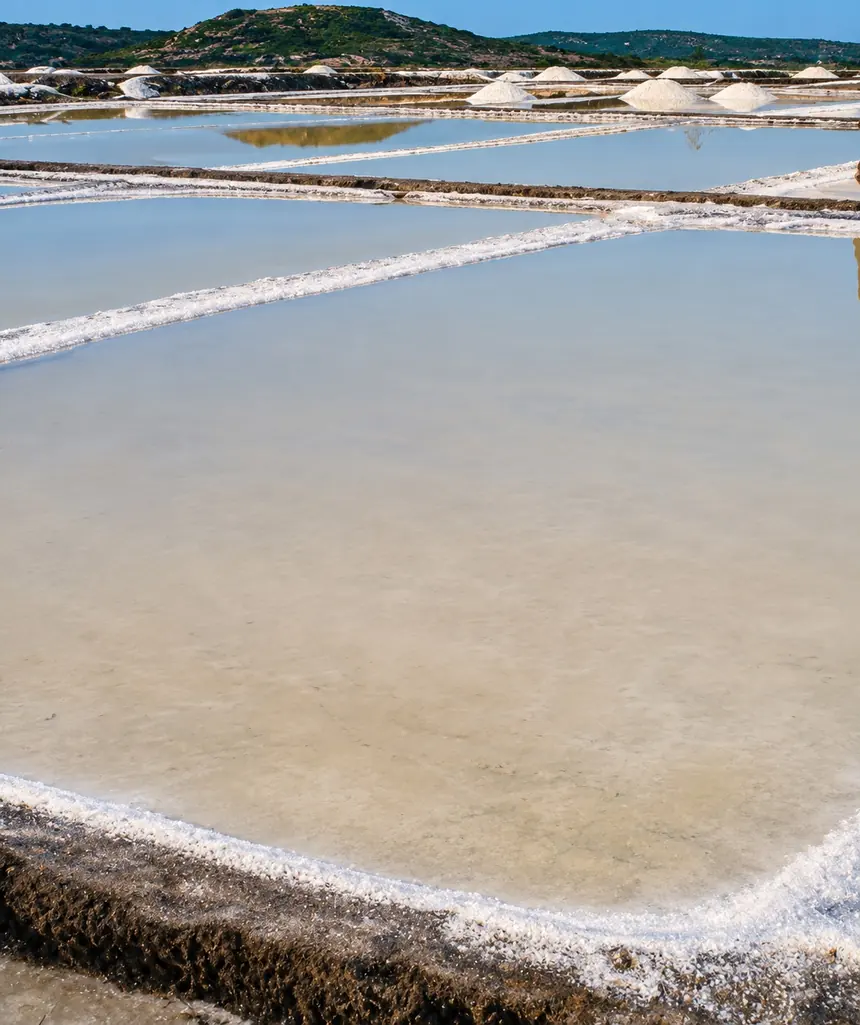
The Kujang campaign added another memorable episode. Rani Bhagyabati Pattamahadei joined Rama Devi and other volunteers, and women crossed by boat to evade police surveillance before continuing salt-making. Such actions helped turn civil disobedience into a local mass movement rather than a protest restricted to established leaders.
Arrests followed. Rama Devi was imprisoned during the campaign, and her political work brought further periods of detention. She continued to organise after release. For many women who took part, the movement was their first direct encounter with police power, political meetings and the possibility of challenging an unjust law together.
From political protest to work against untouchability
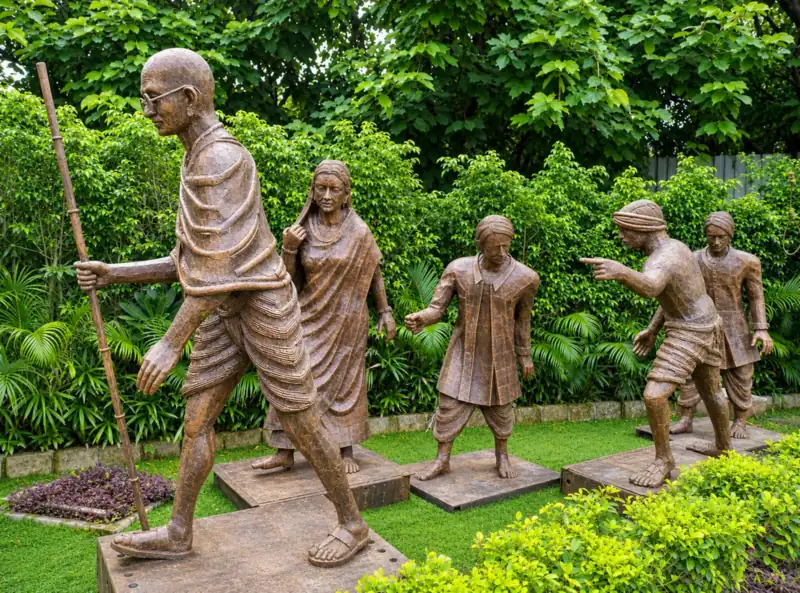
After the first phase of civil disobedience, Rama Devi devoted substantial effort to Gandhi's campaign against untouchability. She worked with the Asprushyata Nibarana Samiti and the Harijan Seva Sangha in Odisha. The campaign included meetings, visits to settlements, education and direct service. Her method was deliberately practical: she entered homes and neighbourhoods that caste prejudice had pushed aside, helped with cleaning and washing, and worked with children.
In May 1934, she joined Gandhi's Harijan Padayatra, which began at Puri. The women volunteers travelled and worked under demanding conditions. Gandhi praised the way Rama Devi and her companions served without seeking privilege or rest. The campaign made clear that she saw freedom as more than the departure of British rule. A society that kept people apart by caste and denied women an active role would still have serious work to do.
Bari Sevaghar, education and the Quit India years
Rama Devi and Gopabandhu developed an ashram at Bari, called Sevaghar or Sebaghar. Its programme was unusually broad: khadi, basic education, adult literacy, women's training, sanitation, village industries, health work, agriculture and efforts against addiction and social exclusion. Volunteers were expected to work with their hands, and spinning and other productive tasks helped support the institution.
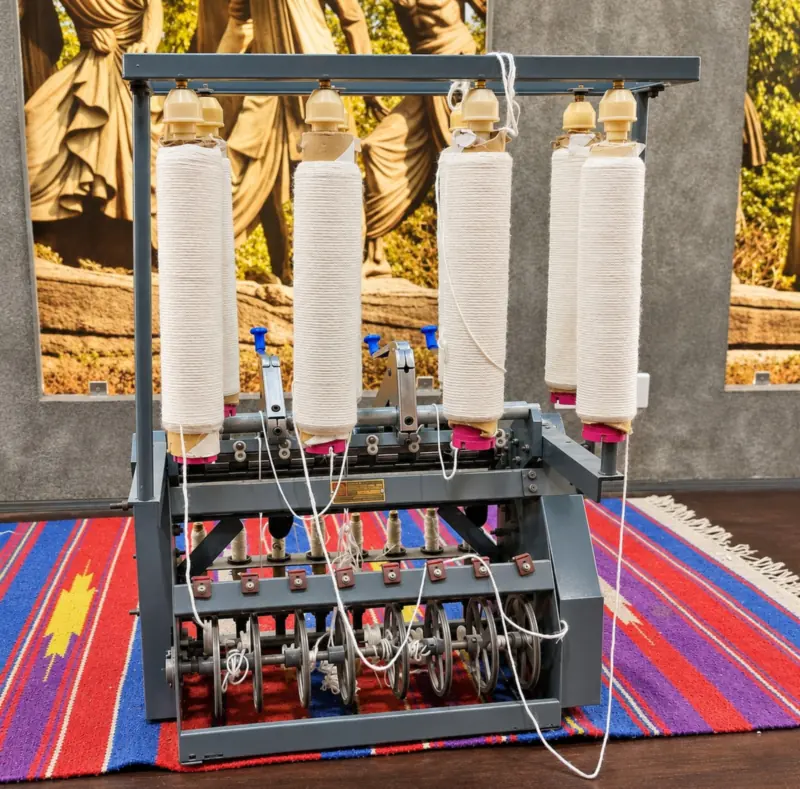
She also promoted basic schooling and training for teachers. Accounts of her work mention the establishment of small schools in 1938 and later initiatives for children and women workers. These projects are easy to overlook beside the better-known protests, yet they reveal how seriously she took the long-term organisation of village life.
During the Quit India Movement in 1942, Rama Devi and members of her family were arrested. Her detention lasted into 1944. After release, she returned to khadi, education and social service rather than treating prison as the conclusion of her public responsibilities. She also became involved in the Odisha work of the Kasturba Gandhi National Memorial Trust.
Why independence did not end her work
After 15 August 1947, Rama Devi stayed away from the pursuit of political office. She and Gopabandhu moved towards the Sarvodaya programme associated with Vinoba Bhave. Landlessness, village poverty and unequal access to opportunity remained pressing concerns, and the Bhoodan movement offered a way of asking landowners to donate land for people without it.
In 1952, the couple travelled extensively across Odisha on foot, holding meetings and encouraging land donation. Accounts differ on the exact distance travelled, but agree on the scale and persistence of the effort. The Bhoodan and Gramdan campaigns took her through many districts, continuing the village-to-village organising she had learned during the freedom struggle.
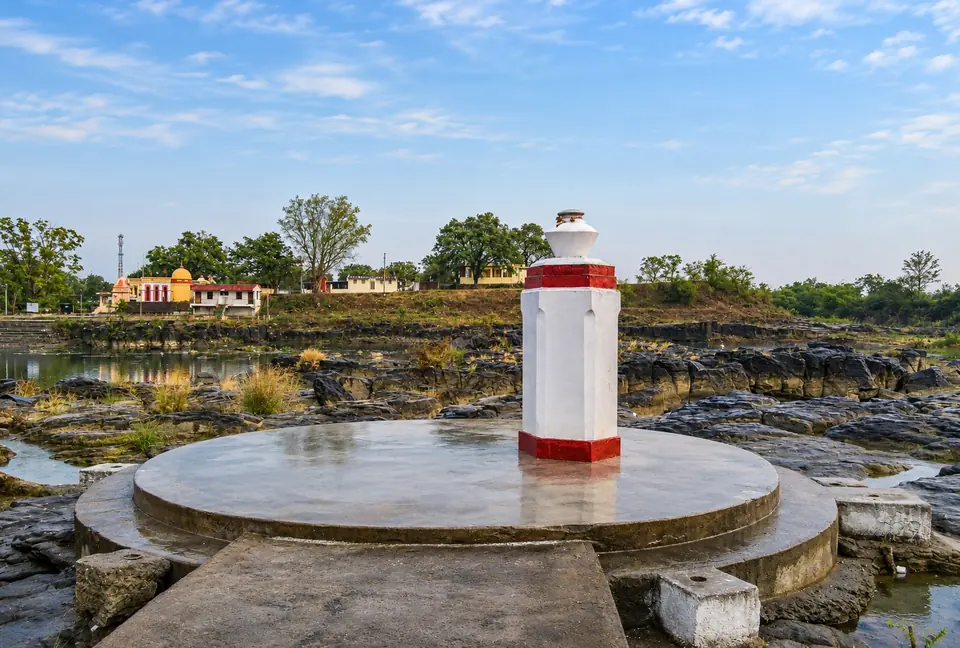
She also helped build institutions. Utkal Khadi Mandal, children's education programmes, teacher training and a tribal welfare centre at Dumburugeda are among the initiatives associated with her work. During the famine in Koraput in 1951, she and Malati Devi helped provide relief. Floods, droughts and other emergencies drew her to affected communities in later years as well.
The same willingness to challenge authority reappeared during the Emergency of 1975–77. Rama Devi opposed restrictions on civil liberties and press freedom. The Gram Sevak Press and associated publications became part of that resistance, and she faced arrest along with other public figures in Odisha. She was well into her seventies, but the principles that had brought her into politics in 1921 had not changed.
Her writing, recognition and final years
Rama Devi also left an autobiographical account, 'Jeevan Pathe', which remains important for understanding the social and political world through which she moved. The Jamnalal Bajaj Award recognised her work in constructive social service in 1981. She was often reluctant to accept honours and titles, and preferred service to public distinction.
She died on 22 July 1985. Her name continues through educational institutions, including Rama Devi Women's University in Bhubaneswar, and through the memory of the organisations and communities she worked with. Yet the most telling measure of her legacy may be the number of women she helped bring into public action. She showed that political leadership could mean organising a salt protest, teaching a child, helping a flood-affected family or walking into a village where few women had previously spoken at a public meeting.
Rama Devi Choudhury: key dates
| Date | Event |
|---|---|
| 3 December 1899 | Born, most likely at Satyabhamapur in Cuttack district. |
| November 1914 | Marriage to Gopabandhu Choudhury. |
| 23 March 1921 | Attended Gandhi's meeting for women at Binod Bihari, Cuttack. |
| 1922 | Attended the Gaya Congress session. |
| 1928 | Alaka Ashram became an important centre of service and organisation. |
| 1930 | Helped mobilise women for the Inchudi and Kujang Salt Satyagraha. |
| 1934 | Worked during Gandhi's anti-untouchability padayatra. |
| 1942–1944 | Arrest and imprisonment during the Quit India period. |
| 1952 onward | Extensive Bhoodan and Gramdan organising. |
| 1975–1977 | Opposed the Emergency and restrictions on civil liberties. |
| 1981 | Received the Jamnalal Bajaj Award. |
| 22 July 1985 | Death. |
Frequently asked questions
Who was Rama Devi Choudhury?
Rama Devi Choudhury (1899–1985) was an Odisha freedom fighter, organiser of women's participation in civil disobedience and a lifelong Gandhian social worker.
When and where was Rama Devi born?
She was born on 3 December 1899. Most accounts name Satyabhamapur in Cuttack district; a few simply say Cuttack.
Who was Rama Devi's husband?
Her husband was Gopabandhu Choudhury, a deputy magistrate who resigned his government post in 1921 and joined the freedom movement.
What did Rama Devi do during the Salt Satyagraha?
She organised women at Inchudi, Srijang and the Kujang area, encouraged them to break the colonial salt law and faced imprisonment.
What was Bari Sevaghar?
Bari Sevaghar was an ashram centre associated with Rama Devi and Gopabandhu Choudhury, where volunteers worked on khadi, education, health, sanitation and village welfare.
What was her role after independence?
She worked in Bhoodan and Gramdan, rural education, khadi, relief operations and civil-liberties campaigns.
Did Rama Devi write a book?
Yes. Her autobiography is titled 'Jeevan Pathe'.
When did Rama Devi die?
She died on 22 July 1985.
Photos: Wikimedia Commons, enhanced and colour-graded by LocalDrive. By unknown photographer (CC0); Kamalakant Nayak (CC BY-SA 3.0); Daderot (public domain); Shyam Bhagat (public domain); Pur 0 0 (CC0); Sushma Sharma (CC BY-SA 3.0); Kailash Mohankar (CC BY 3.0).
Related guide: Meet more great personalities of Odisha.