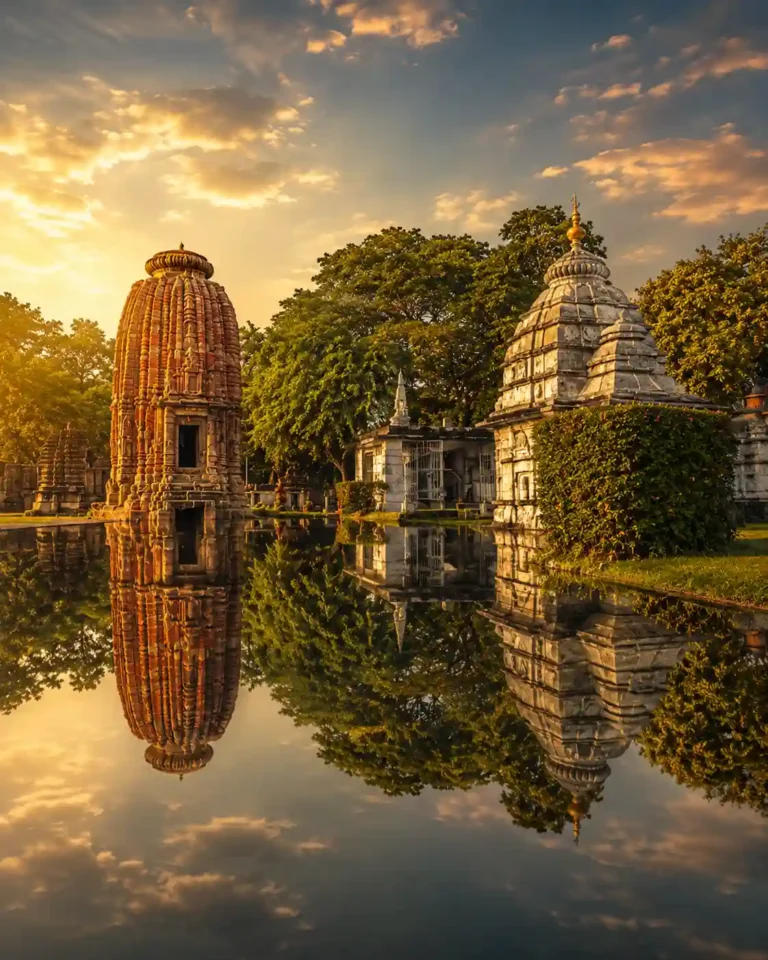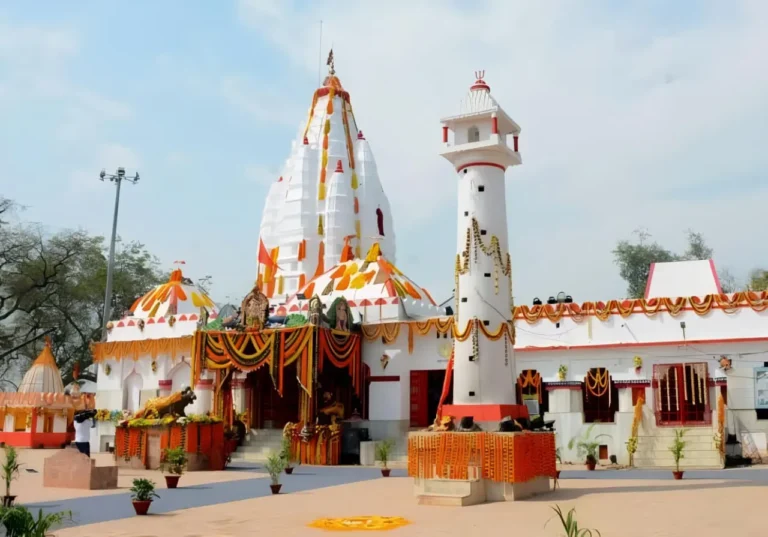
Trip facts
Location
Huma village, Sambalpur district
Distance
Around 24 km south of Sambalpur
Deity
Lord Bimaleswara, a form of Shiva
River
Left bank of the Mahanadi
Main festival
Mahashivaratri
Machhindra Ghat
22 steps from the temple to the river
Why Is Huma Temple Leaning?
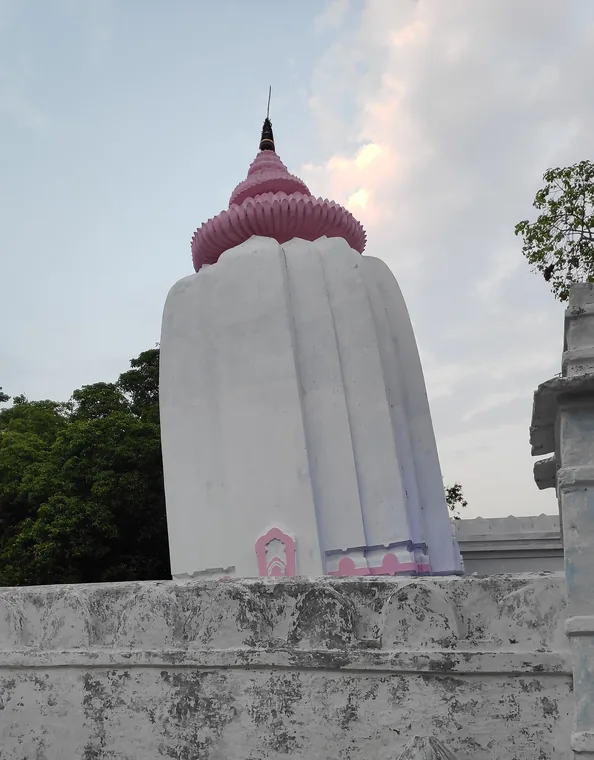
There is no single proven answer.
That is the most important thing to understand before getting into the stories surrounding the temple.
Several explanations have developed over the years.
Was the Temple Deliberately Built at an Angle?
One local explanation says the temple was constructed with an inclination from the beginning.
The idea is connected with its position beside the Mahanadi. Floods and strong river currents have always been part of life along the river, so one belief holds that the builders may have deliberately used an angled construction to deal with those forces.
It is an interesting possibility.
But it has not been established as the definitive reason behind the tilt.
Did Floods or River Currents Tilt the Temple?
Another explanation looks at the river itself.
Repeated flooding and strong Mahanadi currents may have affected the rocky foundation over a long period.
The temple does not stand on an ordinary urban plot. Its setting is directly connected with the rocky riverbank, making movement beneath or around the foundation one possible explanation.
Could the Rocky Foundation Have Shifted?
An uneven or gradually shifting rocky base is another theory.
Small changes beneath a heavy stone structure can affect its alignment over centuries.
Geological variations below the temple have therefore also been considered while trying to understand the inclination.
What makes the mystery more interesting is that the tilt is not restricted to just one visible wall of the main shrine.
Other structures within the complex also show unusual inclination.
So the simple answer is: Huma Temple definitely leans, but the exact reason remains unresolved.
That uncertainty is more interesting than forcing the monument into one dramatic explanation.
Who Is Worshipped at Huma Temple?
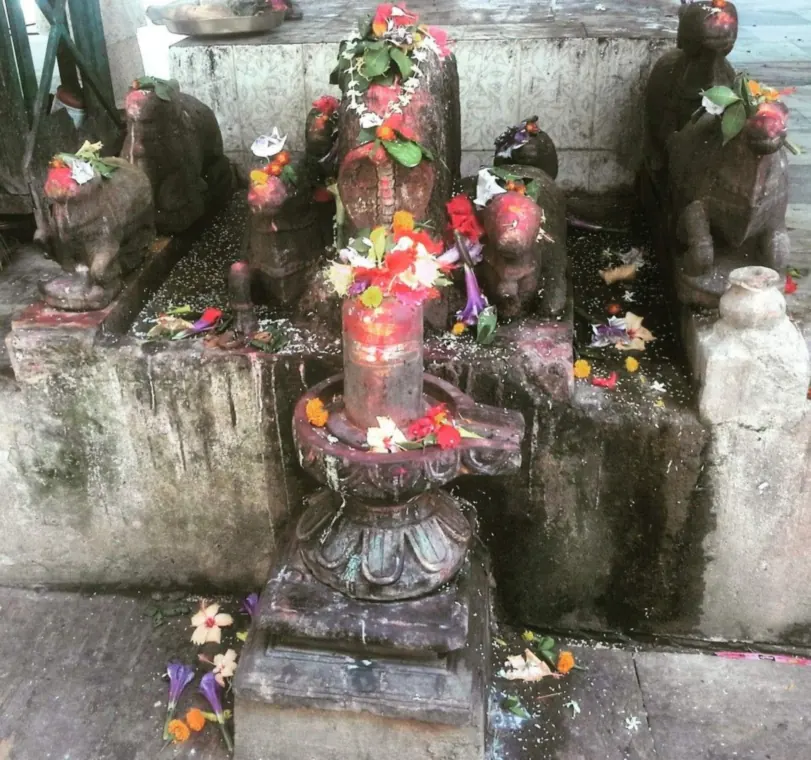
The presiding deity is Lord Bimaleswara, a form of Lord Shiva.
Huma is an important Shaiva centre in western Odisha and is connected with the region's Ashtasambhu tradition.
For devotees, therefore, the leaning architecture is only one part of Huma.
The place remains first a Shiva shrine.
The architectural mystery came later in the way visitors began describing it.
The Cow and the Sacred Stone: Huma's Best-Known Origin Legend
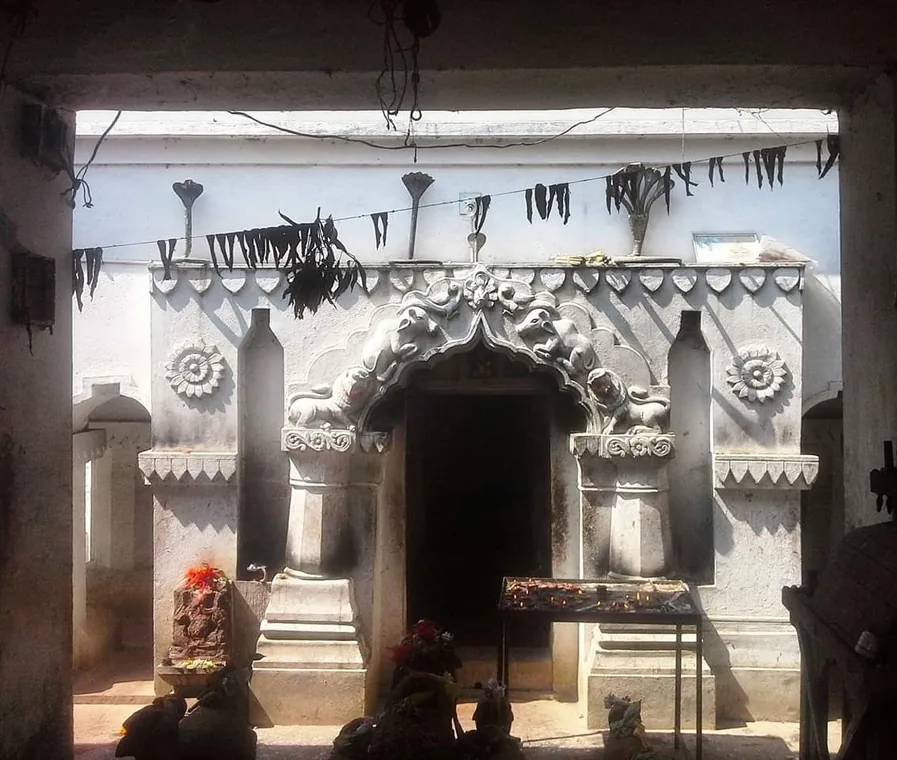
One of Huma's most persistent local stories begins not with a king, but with a cow.
A Hota family from Popanga village owned a cow that was regularly taken towards the Mahanadi for grazing.
Everything seemed normal until its owner noticed something odd.
The amount of milk produced by the cow had started falling.
The cowherd was questioned.
Eventually, the owner followed the animal himself.
What he witnessed became part of Huma's oral tradition.
The cow crossed towards the river and approached a stone. Milk began flowing from its udder over the stone without anyone milking it.
The stone resembled a Shiva Linga.
The place began to be treated as sacred, and worship followed.
This cow-and-milk story survives in more than one form in Huma's local tradition. The essential idea remains the same: a naturally worshipped stone image of Shiva existed before the formal temple around it.
Balaram Dev and the Building of Huma Temple
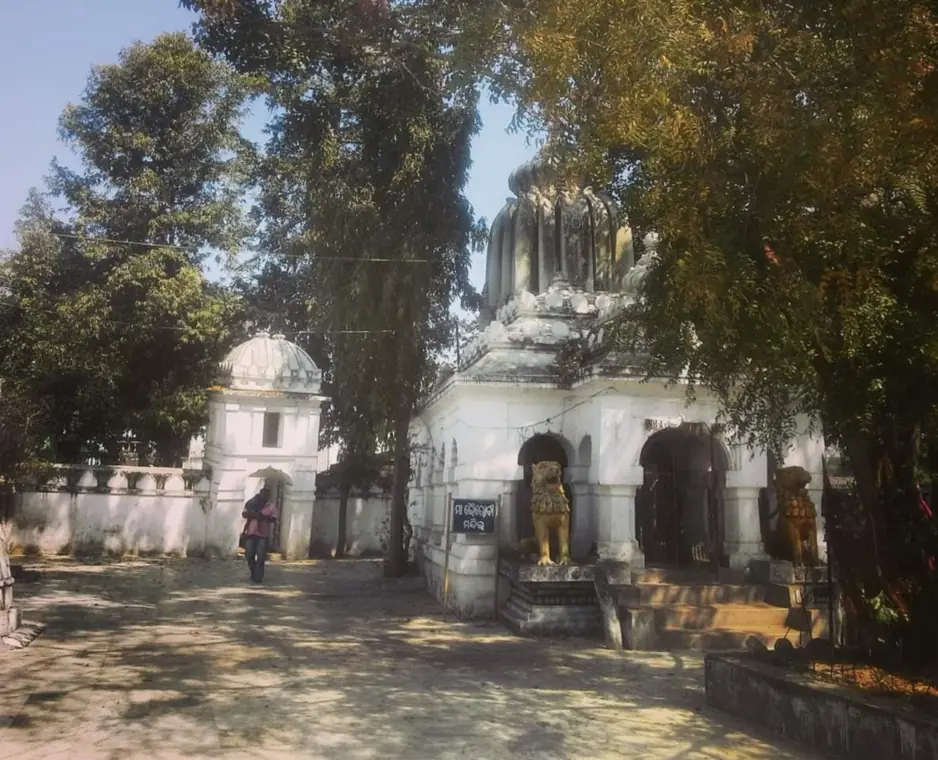
Huma's documented history is closely tied to the Chauhan rulers of Sambalpur.
The construction of the Bimaleswara Temple is associated with the reign of King Balaram Dev, whose reign is placed between 1575 and 1595.
The temple was subsequently completed under King Baliar Singh in 1670 AD.
The temple also received royal economic support.
Revenue from villages including Huma, Bulpunga, Dhatukpali, Gangadharpali and Mahle was allocated towards worship, maintenance and religious activities.
That detail tells us something important.
Huma was not merely a remote riverside shrine surviving independently.
It had royal patronage and an organised system supporting its religious life.
Was There a Temple at Huma Before the Chauhans?
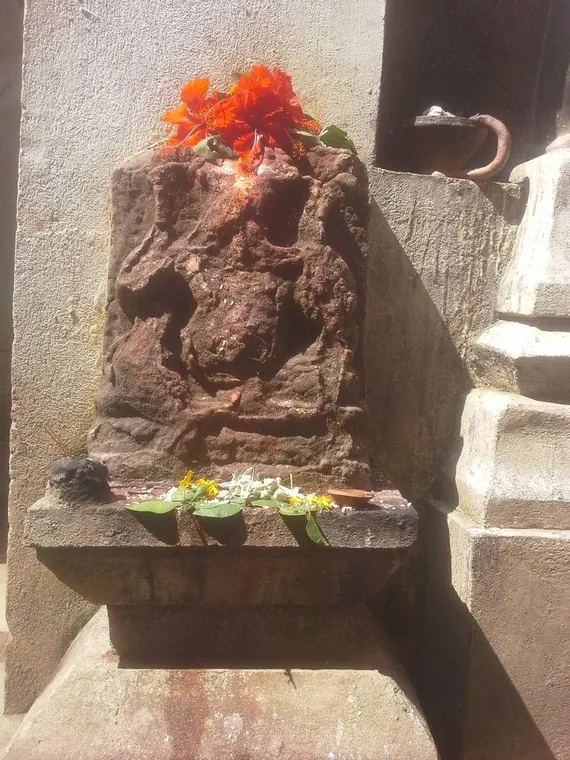
There is another strand to the history.
A tradition connects an earlier temple at Huma with Ganga ruler Anangabhimadeva III, who ruled between 1211 and 1239 AD.
Under this version, an earlier structure may have existed and later fallen into ruin before the temple was renovated or rebuilt during the Chauhan period.
That earlier construction, however, has not been conclusively established.
So it is better to separate the two layers: the Chauhan association has a stronger historical footing, while the Anangabhimadeva connection remains an earlier tradition surrounding the site.
Did Lord Shiva Appear in Balaram Dev's Dream?
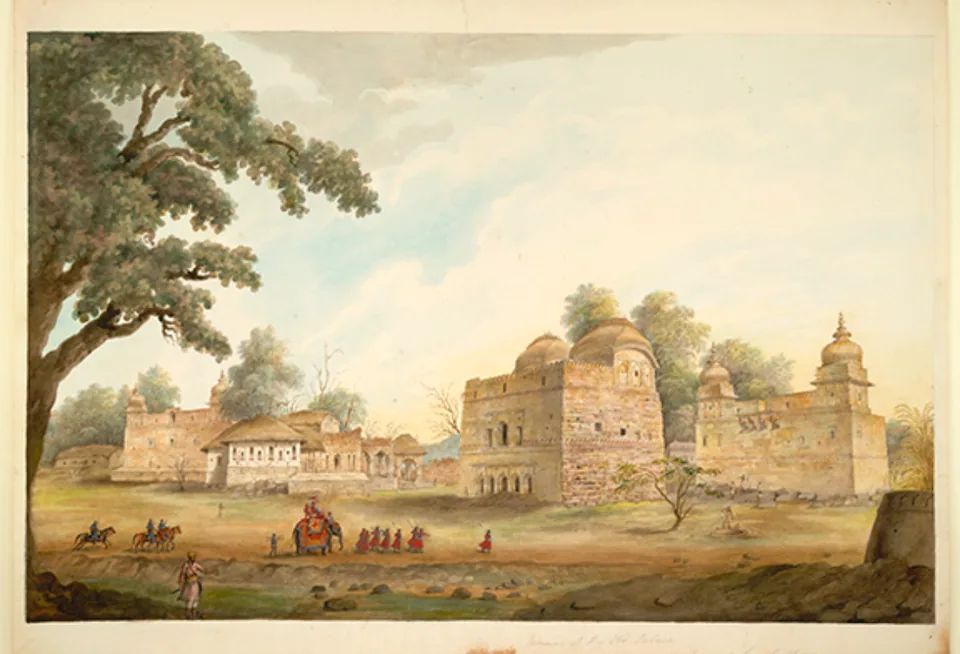
Local storytelling adds another piece.
After hearing about the sacred stone and visiting the area, Balaram Dev is said to have received a dream in which Lord Shiva instructed him to worship at the spot and construct a temple.
The king then began the building work.
For devotees, the dream gives the temple's royal construction a sacred beginning.
For history, it belongs to the devotional tradition surrounding the site.
Both can be told without turning one into the other.
How Did the Name “Huma” Originate?
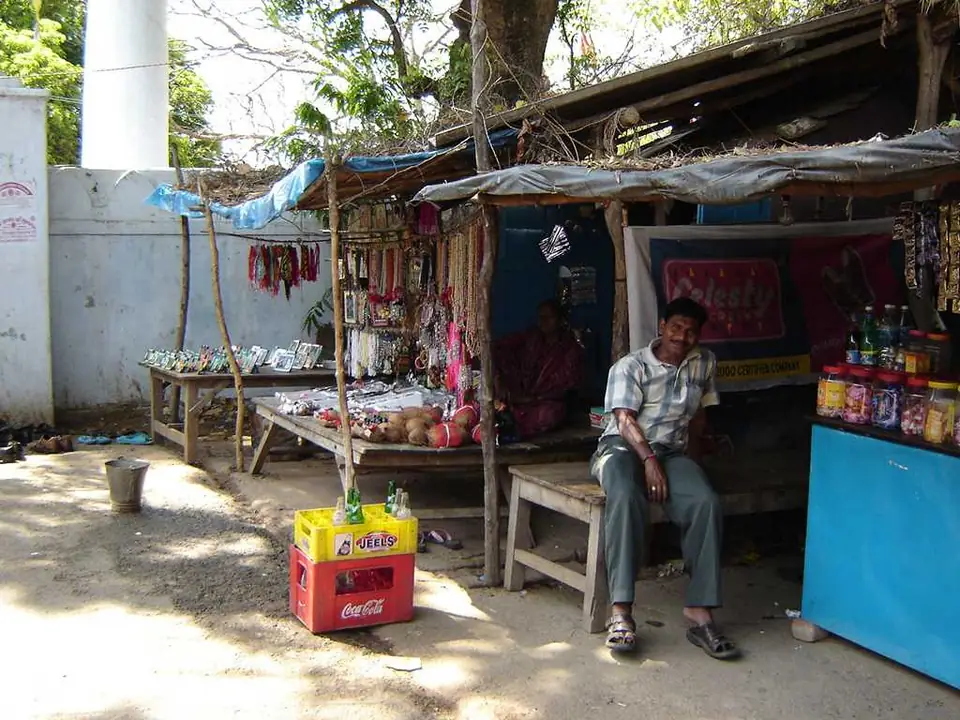
There is a charming folk explanation behind the name.
The sound made by a cow or bull is interpreted locally as something resembling “Hoo... Maa... Hoo... Maa...”
Over time, the sound is said to have given the place the name Huma.
It is best understood as local etymology rather than a proven linguistic derivation.
Still, it fits naturally into the larger cow legend associated with the shrine.
The Architecture Is Unusual Beyond the Tilt
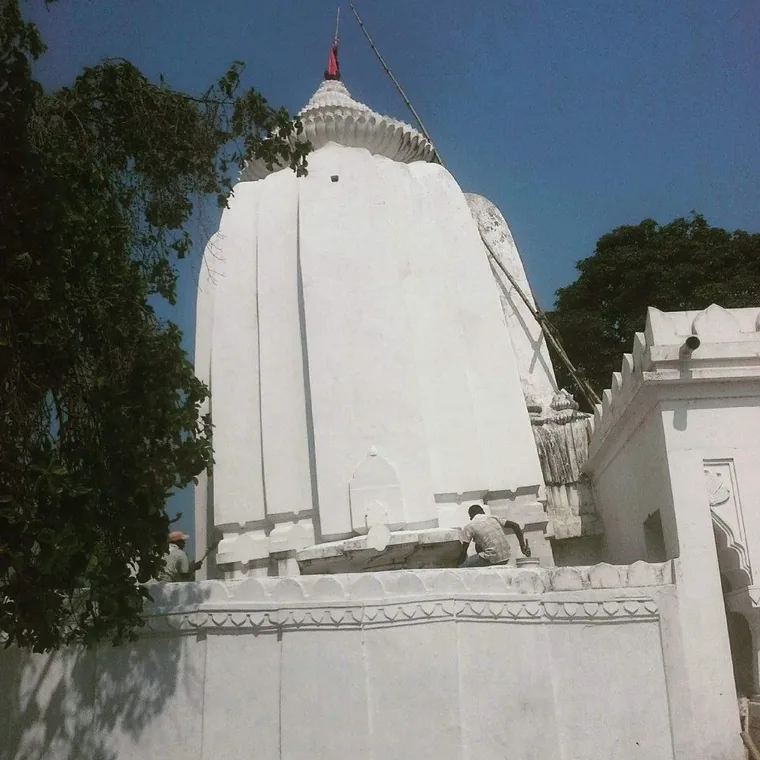
The leaning form gets nearly all the attention, but there is another architectural detail worth noticing.
The Bimaleswara Temple is comparatively restrained in external sculptural decoration.
Apart from the Parsva Devatas, the outer surface is not as heavily covered with sculpture as many other traditional Odisha temples.
One architectural interpretation suggests that limiting heavy sculptural work may have reduced the load acting upon the structure and its centre of gravity.
That remains an interpretation rather than a confirmed explanation.
Still, it makes walking around Huma more interesting.
Instead of only photographing the tilt from one angle, look at how the entire structure carries its weight.
Machhindra Ghat Below Huma Temple
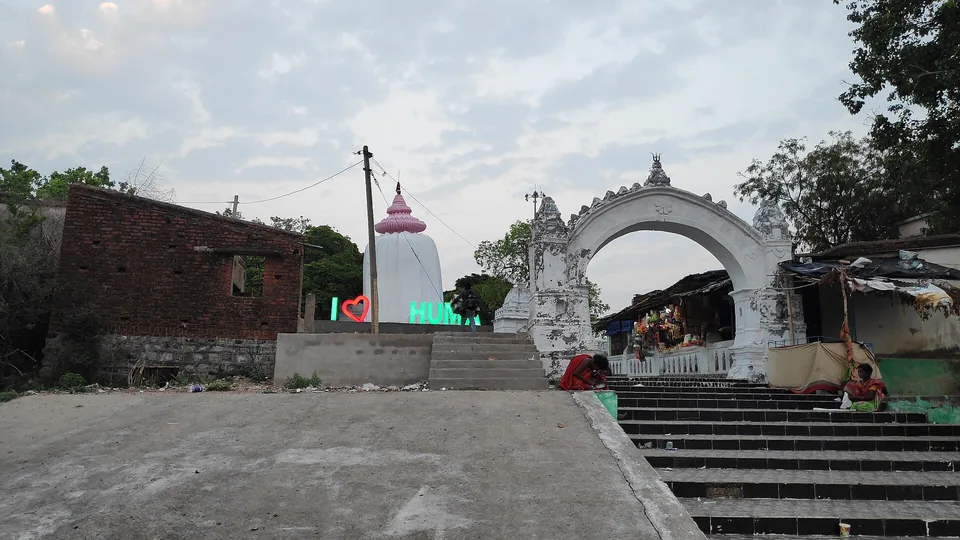
Walk down from the temple towards the Mahanadi and another side of Huma begins.
This is Machhindra Ghat.
A flight of 22 steps connects the temple precinct with the riverside. The number has sometimes invited comparison with the Baisi Pahacha at Puri's Jagannath Temple.
Devotees come down to the river before worship.
But most first-time visitors quickly notice something else moving in the water.
The fish.
The Kudo Fish of Huma

Huma's Kudo fish are almost as well known as the leaning temple itself.
They gather close to Machhindra Ghat, where visitors feed them.
Tradition around the temple treats these fish as protected.
They are not supposed to be caught or harmed.
Accounts from the temple describe the fish responding to calls from priests and approaching the ghat steps for food.
Watching them is unusual because there is very little distance between people and the fish.
Visitors stand on the steps. Food is offered. The fish gather almost immediately.
For Huma, this is not just wildlife beside a temple.
The fish have become part of the religious culture of the place.
Did a Woman Turn Into Stone After Cutting a Kudo Fish?
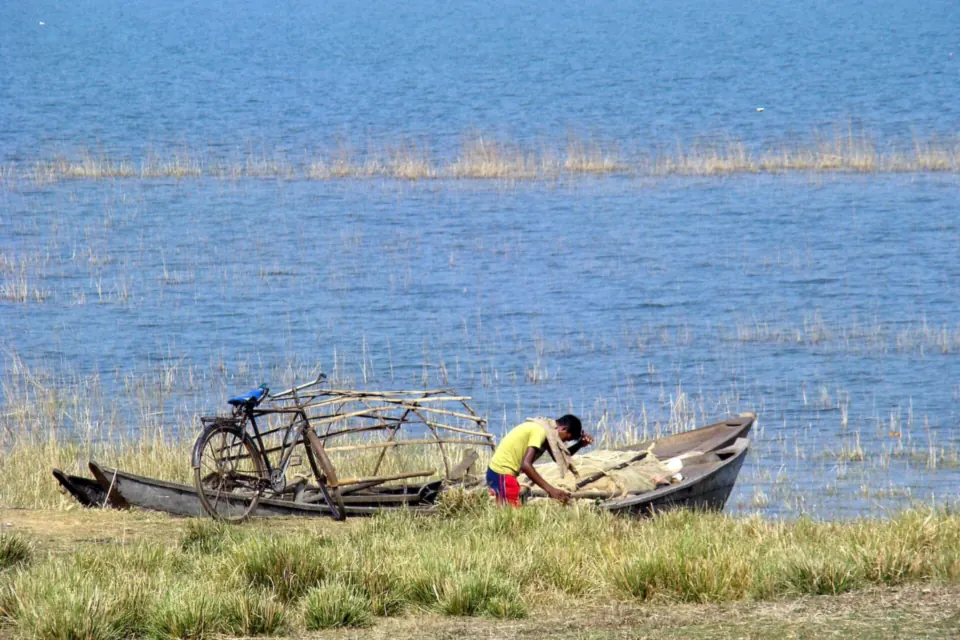
This is one of the strongest legends attached to Huma.
The story says that a woman and her husband were fishing in the Mahanadi near the temple.
After failing to catch fish elsewhere, they attempted to catch the Kudo fish around the sacred ghat.
A fish was caught.
The woman tried to cut it with a traditional cutting blade.
At that moment, according to the legend, her body turned to stone.
The story is still used to explain why the Kudo fish should never be harmed.
There is no reason to present this as a documented physical event.
Its value lies elsewhere.
The legend functions almost like an old conservation rule told through faith: do not kill these fish.
That may be the more interesting way to read the story today.
Why the Kudo Fish Matter
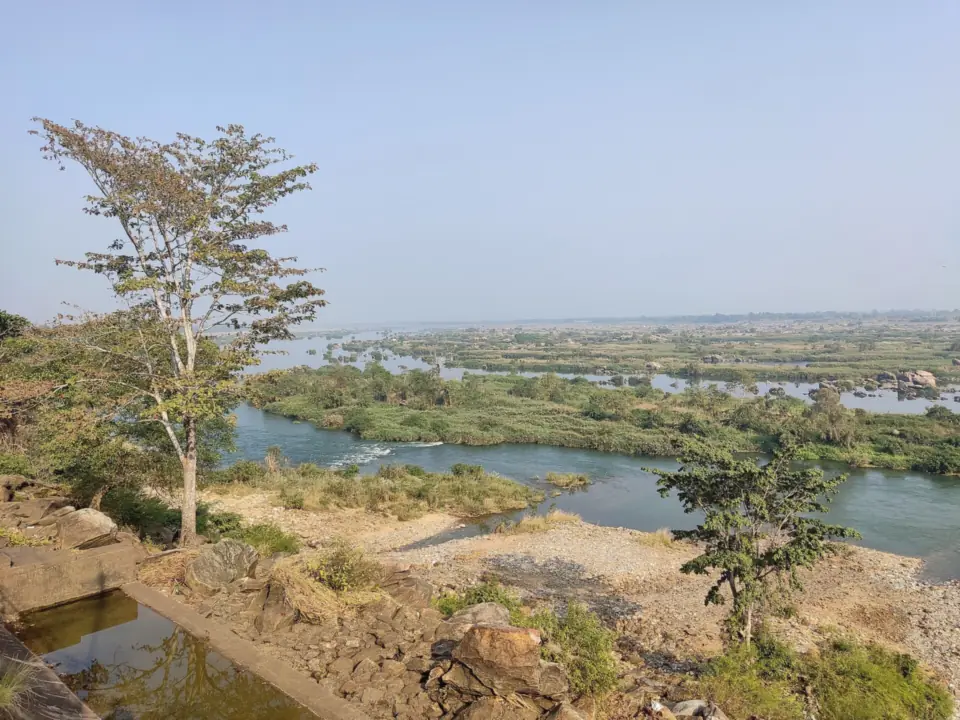
The Kudo fish reveal something unusual about Huma.
A temple, a river and an animal population have become part of the same cultural system.
People protect the fish because of religious belief.
The fish remain accustomed to human presence because they are fed rather than hunted around the sacred area.
A legend reinforces that protection.
So a story that sounds supernatural on the surface also influences how people behave towards the river ecosystem.
That relationship is one of Huma's most memorable features.
Mahashivaratri at Huma
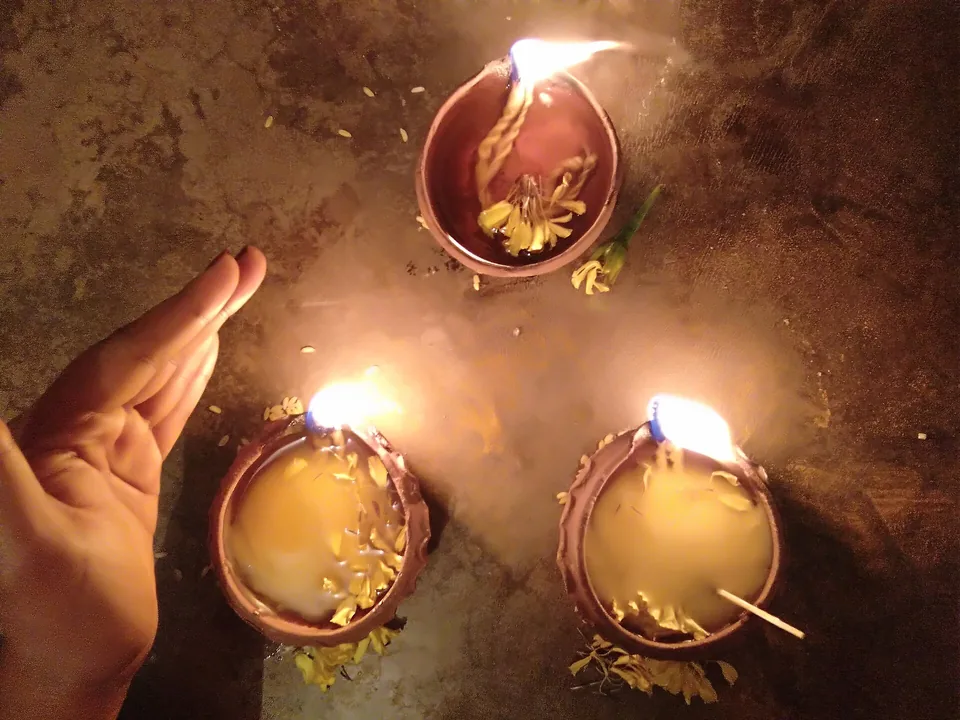
Mahashivaratri is one of the major occasions at the temple.
A large fair is held around Huma during the festival, drawing Shiva devotees to Lord Bimaleswara.
The atmosphere is naturally very different from an ordinary weekday visit.
For travellers interested mainly in architecture and photography, a quieter day may allow more time to observe the structure.
For those who want to see Huma as a living pilgrimage centre, Mahashivaratri shows another side of the temple.
Where Is Huma Leaning Temple?
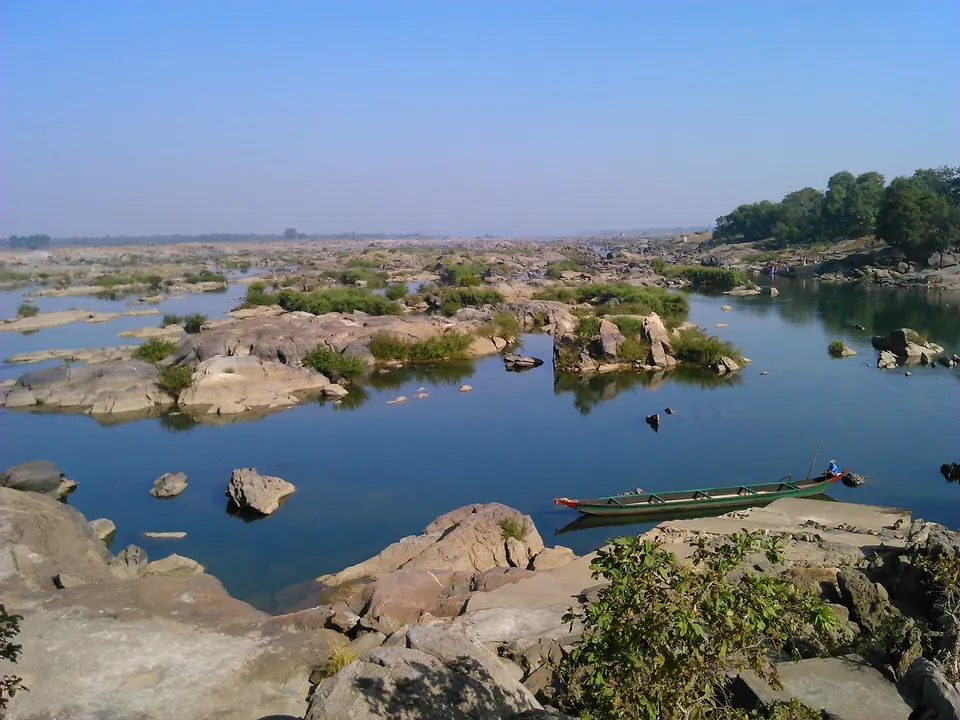
Huma Temple stands in Huma village of Sambalpur district, around 24 km south of Sambalpur city.
It is positioned on the left bank of the Mahanadi River, close to the confluence with Dhulijhor.
The riverside location is central to Huma's character.
Take the Mahanadi away from the story and much of Huma disappears with it: the cow legend, the possible explanations for the tilt, Machhindra Ghat, and the Kudo fish.
How to Reach Huma Leaning Temple
By Road
The easiest final approach is by road from Sambalpur.
Huma lies around 24 km from Sambalpur city, making it practical for a short temple trip or a half-day visit.
By Train
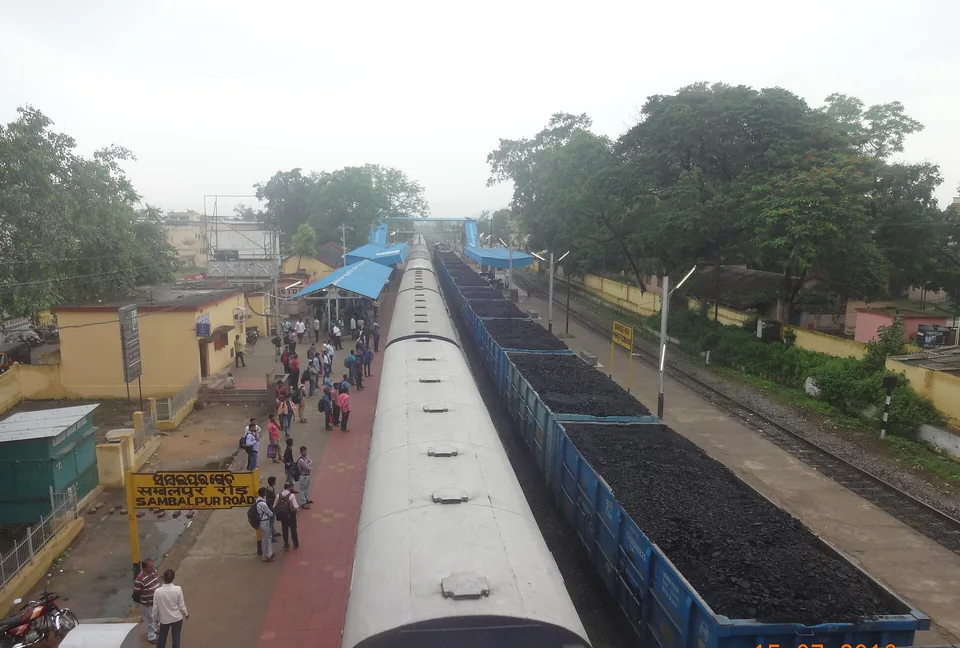
Sambalpur is the main rail connection for travellers heading to Huma.
From the city, continue towards Huma by local road transport.
By Air
Travellers arriving by air can continue towards Sambalpur and then reach Huma by road.
Transport should be planned before leaving the city, particularly when visiting early in the morning or later in the day.
What to See at Huma
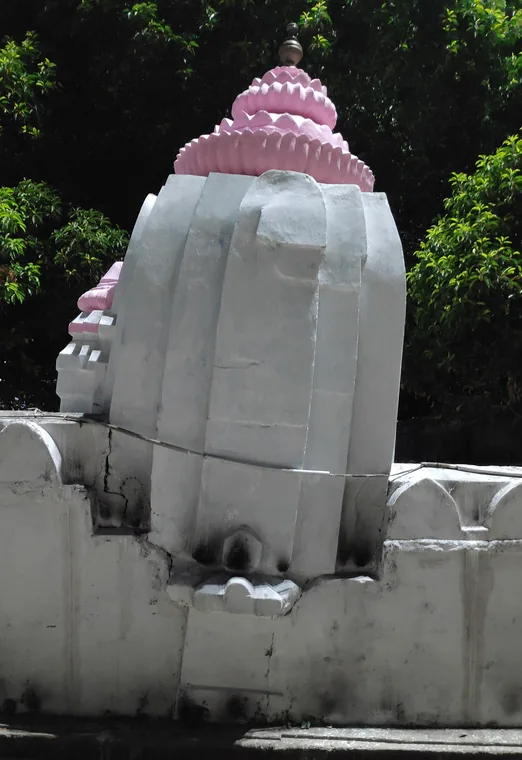
Do not visit Huma only to take one photograph of the tilted temple.
Spend time around the whole complex.
Look at the inclination of the smaller shrines.
Walk down the 22 steps towards Machhindra Ghat.
Watch the Kudo fish in the Mahanadi.
Look back at the temple from the river side.
Notice the rocky ground beneath the structures.
That sequence makes the place easier to understand.
The tilt is not an isolated curiosity.
It belongs to a larger riverside landscape.
Our Experience at Huma
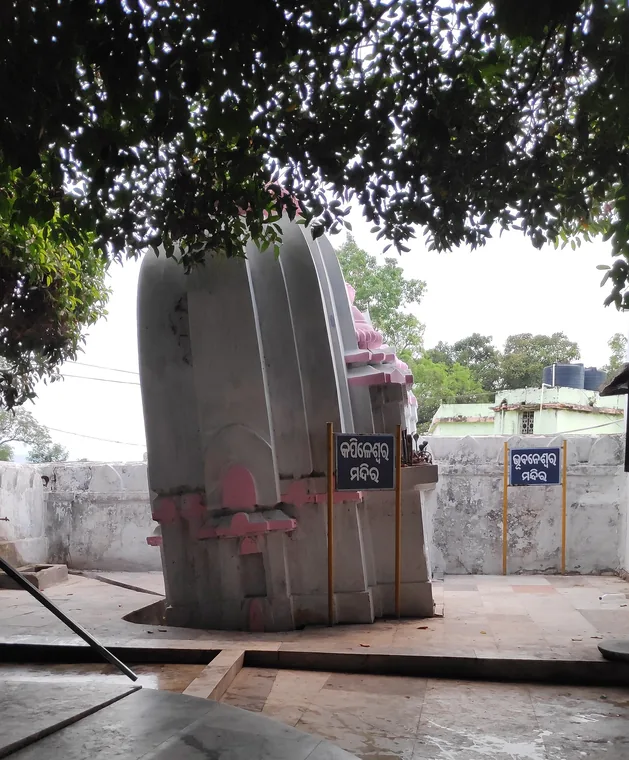
What caught our attention first was naturally the inclination.
From photographs, it is easy to imagine Huma as a temple with one visibly tilted tower.
Standing there gives a different impression.
The surrounding structures and the relationship between the temple and the uneven riverside landscape make you look twice at almost every angle.
We then walked towards Machhindra Ghat.
That changed the visit completely.
The Mahanadi, rocky bank and Kudo fish make the lower side of the complex feel very different from the temple courtyard above. Watching the fish move towards visitors for food also made it clear why they have become so strongly attached to Huma's identity.
The most interesting part of Huma was not finding an answer to why the temple leans.
It was leaving with several possibilities still open.
Huma Leaning Temple Quick Facts
| Category | Details |
|---|---|
| Temple | Bimaleswara Temple, Huma |
| Popular Name | Huma Leaning Temple / Leaning Temple of Odisha |
| Location | Huma, Sambalpur district, Odisha |
| Distance from Sambalpur | Around 24 km |
| Presiding Deity | Lord Bimaleswara, a form of Shiva |
| River | Mahanadi |
| Temple Tradition | Ashtasambhu |
| Historical Association | Chauhan rulers of Sambalpur |
| Construction associated with | King Balaram Dev |
| Completion associated with | King Baliar Singh, 1670 AD |
| Famous For | Leaning architecture |
| Nearby Attraction | Machhindra Ghat |
| Ghat Steps | 22 |
| Famous River Life | Kudo fish |
| Major Festival | Mahashivaratri |
Why Huma Is Worth More Than a Quick Stop
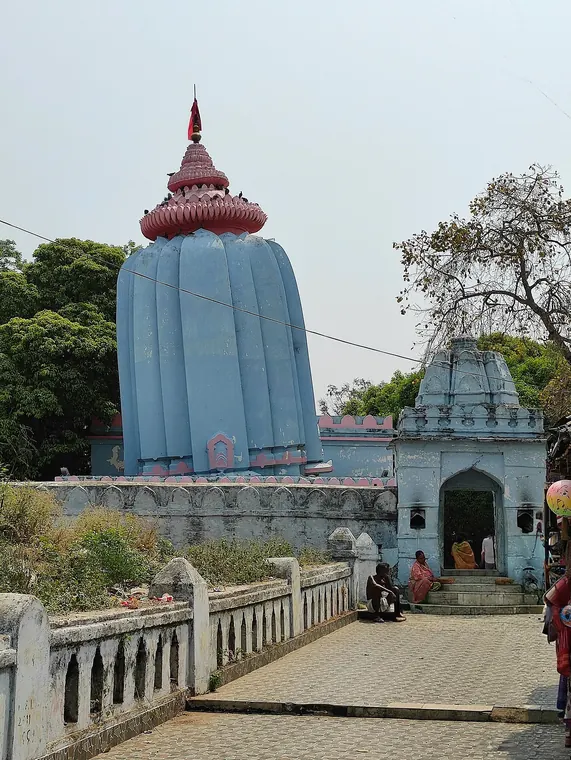
There are two easy ways to oversimplify Huma.
One is to call it only a mysterious leaning temple.
The other is to treat every legend around it as literal history.
Neither does the place justice.
Huma is more interesting when all its layers remain visible.
There is a historically important Shiva shrine supported by Sambalpur's Chauhan rulers.
There is an unresolved architectural inclination.
There is a Mahanadi-side landscape that may hold clues to that inclination.
There is a cow-and-milk origin tradition.
There are Kudo fish protected through generations of religious belief.
And there is Machhindra Ghat, where all these stories meet the river.
You may leave without solving why Huma leans.
That does not make the visit incomplete.
It may actually be the reason the place stays in your mind.
Frequently Asked Questions
Where is Huma Leaning Temple located?
Huma Leaning Temple is in Huma village, around 24 km south of Sambalpur in western Odisha, on the left bank of the Mahanadi River.
What is the real name of Huma Temple?
The shrine is the Bimaleswara Temple, dedicated to Lord Bimaleswara, a form of Shiva.
Why is Huma Temple leaning?
The exact reason has not been conclusively established. Possible explanations include movement of the rocky foundation, effects of Mahanadi floods and currents, underground geological conditions, and aspects of the original construction.
Was Huma Temple deliberately built leaning?
A local belief says the inclination may have been intentional to withstand Mahanadi floods, but this has not been conclusively proven.
Who built Huma Temple?
The present temple is historically associated with King Balaram Dev of Sambalpur, while its completion is associated with King Baliar Singh in 1670 AD.
Is Huma Temple older than the Chauhan period?
A local tradition connects an earlier temple with Anangabhimadeva III, although that earlier construction has not been conclusively established.
Why is Huma Temple called Huma?
One folk explanation links the name to a cow or bull's “Hoo Maa” call. It remains a local naming tradition rather than a confirmed etymology.
What are Kudo fish?
Kudo fish are the protected fish seen around Machhindra Ghat beside Huma Temple. Devotees and visitors feed them, and catching them is traditionally prohibited.
Did someone really turn into stone after killing a Kudo fish?
This is a local legend associated with the sacred fish, not a historically established incident. The story reinforces the traditional prohibition against harming the fish.
What is Machhindra Ghat?
Machhindra Ghat is the Mahanadi-side ghat below Huma Temple. Twenty-two steps connect the temple area with the riverbank.
Which festival is famous at Huma Temple?
Mahashivaratri is a major festival at Huma, when a large gathering and fair take place around the temple.
How far is Huma Temple from Sambalpur?
It is approximately 24 km from Sambalpur city.
Is Huma Temple worth visiting for people who are not pilgrims?
Yes. Its leaning architecture, Chauhan-era history, Mahanadi landscape, Machhindra Ghat and Kudo fish give the site architectural, cultural and natural interest beyond its religious importance.
Related guide: Read our complete guide to the Rivers, Lakes & Dams of Odisha.