Trip facts
Meaning
I bow to thee, Mother Utkala
Written by
Kantakabi Laxmikanta Mohapatra
First sung
Utkal Sammilani, Balasore, 1912
Tune
Gokul Mohanty's 1932 recording
State anthem
Since 7 June 2020
Sung on
Utkal Divas, 1 April
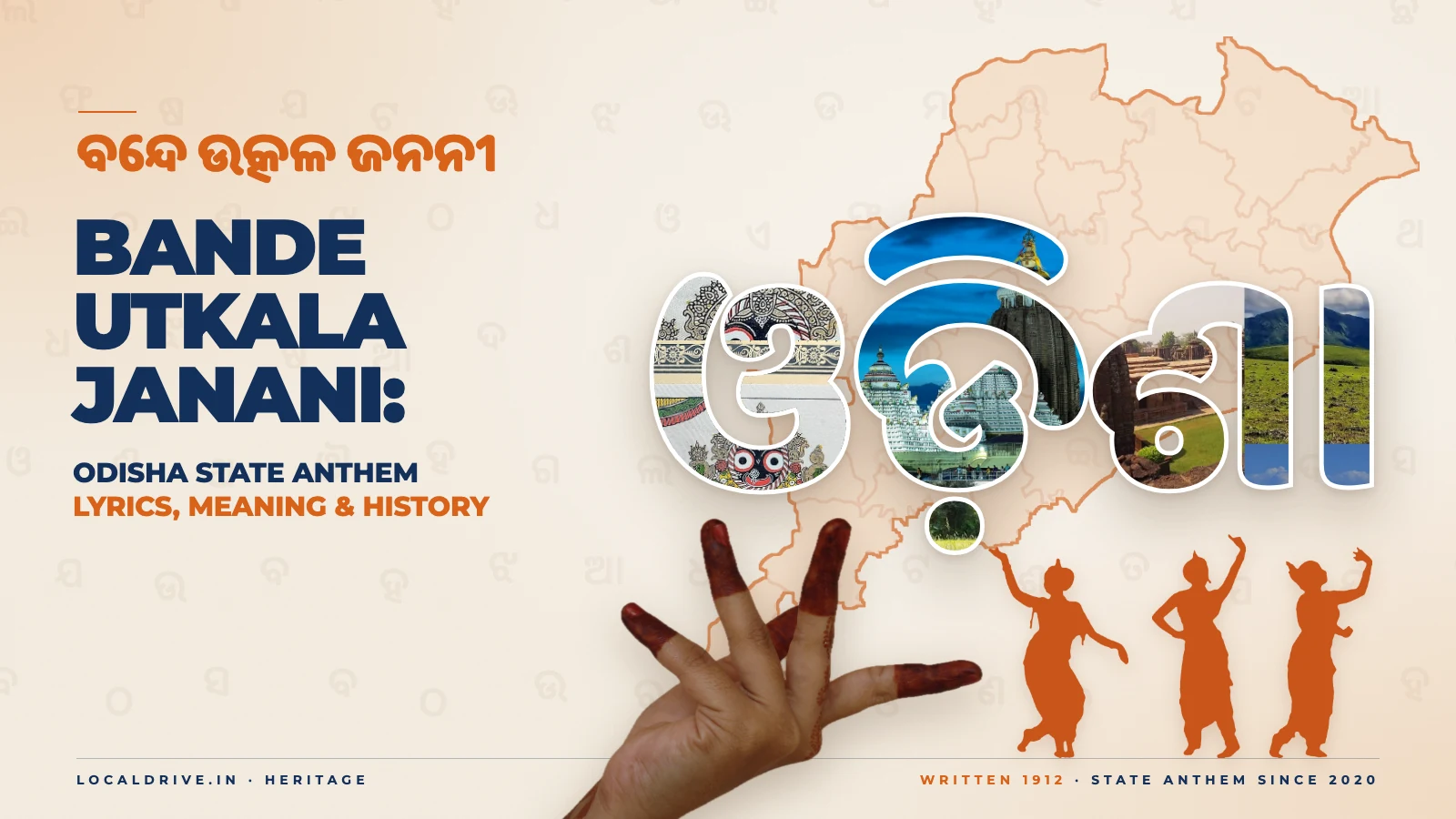
Bande Utkala Janani at a glance
| Fact | Details |
|---|---|
| Meaning of the title | "I bow to thee, Mother Utkala" (Utkala is the old name for Odisha) |
| Written by | Kantakabi Laxmikanta Mohapatra (1888–1953) |
| Year written | 1912 |
| First sung | Utkal Sammilani conference, Balasore, 1912 |
| Language | Odia, in a highly Sanskritised style |
| First recording | Gokul Mohanty, gramophone record, 1932 |
| Official arrangement | Based on Gokul Mohanty's tune, arranged by Balakrushna Dash |
| Duration of official version | 2 minutes 11 seconds |
| Odisha Assembly | Sung at the end of every session since a 1994 resolution |
| State anthem status | Odisha Cabinet decision, 7 June 2020 |
| In schools | Added to the Class IX and X curriculum in November 2020 |
| Most sung on | Utkal Divas (Odisha Day), 1 April |
What does Bande Utkala Janani mean?
Bande means "I bow to" or "I salute", Utkala is the classical name for Odisha, and Janani means "mother". Together, Bande Utkala Janani means "I bow to thee, Mother Utkala", and the song treats Odisha as a mother whose body is made of its land, sea and people.
Each verse describes one side of her: the coast and rivers, the forests and hills, the fields and centres of learning, the temples and arts, the warriors, and finally the poets who sing her praise. Every verse ends with the refrain Janani, Janani, Janani ("Mother, Mother, Mother").
Bande Utkala Janani lyrics (English transliteration)
Laxmikanta Mohapatra's poem is from 1912 and is in the public domain. The transliteration below follows the version printed by the Odisha government in the Orissa Reference Annual 2004, with spacing tidied for reading.
Bande Utkala Janani
Charu hasamayi, charu bhasamayi
Janani, Janani, Janani
Puta-payodhi-bidhauta-sharira
Tala-tamala-susobhita-tira
Shubhra-tatini-kula-shikara-samira
Janani, Janani, Janani
Ghana bana bhumi rajita ange
Nila bhudhara-mala saje tarange
Kala kala mukharita charu bihange
Janani, Janani, Janani
Sundara shali-susobhita-kshetra
Gnyana bignyana-pradarshita-netra
Jogi rushigana utaja-pabitra
Janani, Janani, Janani
Sundara mandira mandita-desha
Charu kalabali-shobhita-besha
Punya tirtha chaya-purna pradesha
Janani, Janani, Janani
Utkala surabara-darpita-geha
Arikula-shonita-charchita-deha
Biswa bhumandala-krutabara-sneha
Janani, Janani, Janani
Kabikula mouli sunandana-bandya
Bhubana bighoshita-kirti anindya
Dhanye, punye, chira sharanye
Janani, Janani, Janani
Bande Utkala Janani meaning: verse by verse
This is our own plain-English reading of each verse, written to explain the meaning rather than to be sung.
Opening: I bow to you, Mother Utkala, whose smile is lovely and whose speech is sweet. Mother, Mother, Mother.
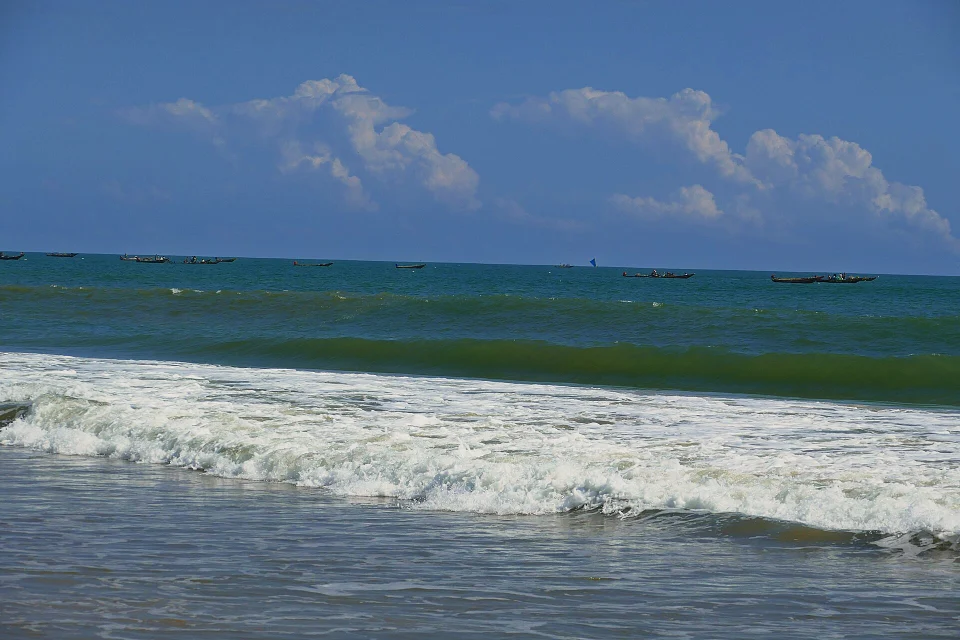
Verse 1 – the coast: Your body is washed by the holy sea. Your shores are lined with palm and tamala trees, and a cool breeze blows from the banks of your bright rivers.
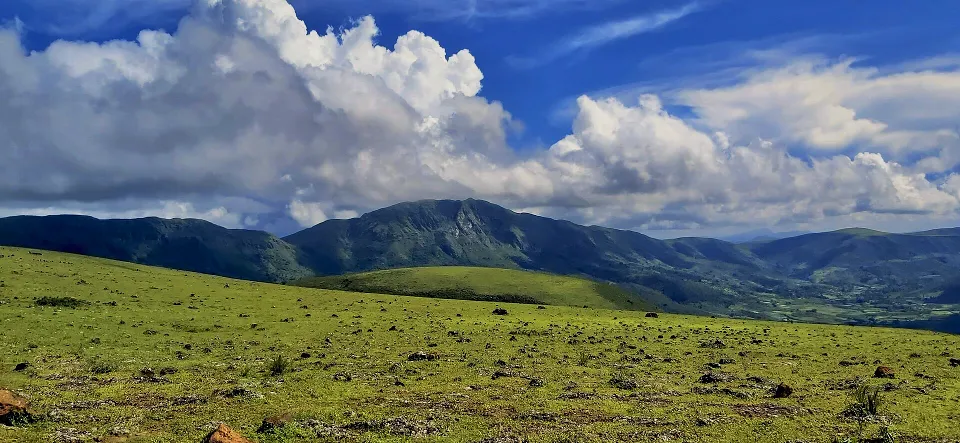
Verse 2 – forests and hills: Your limbs shine with dense forests. Ranges of blue hills rise like waves across you, and your sky rings with the calls of beautiful birds.
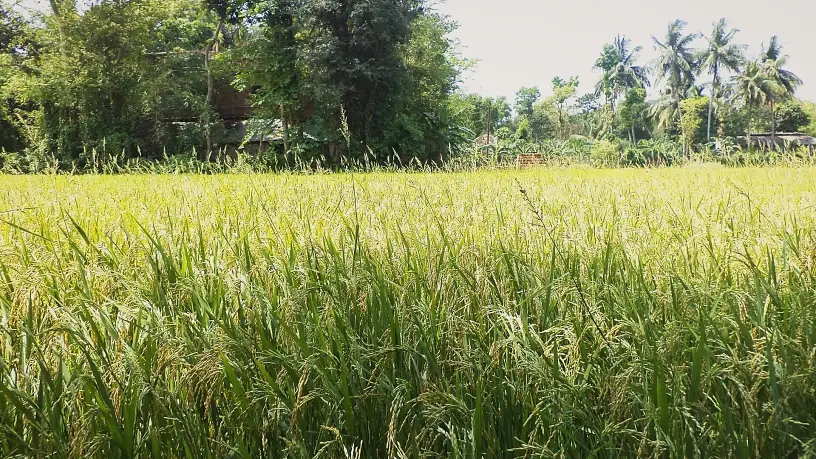
Verse 3 – fields and learning: Your fields are lovely with rice. Knowledge and science are your eyes, and your forest hermitages are made holy by yogis and sages.
Verse 4 – temples and arts: Your land is adorned with beautiful temples, you are dressed in fine arts, and your country is full of sacred pilgrimage places.
Verse 5 – heroes: You are the proud home of Utkala's bravest warriors. Your body is marked with the blood of your enemies, and the whole world holds you in affection.
Verse 6 – poets and glory: The greatest poets praise you, and your spotless fame is proclaimed across the world. You are blessed, you are holy, you are our refuge forever. Mother, Mother, Mother.
Who wrote Bande Utkala Janani?
Bande Utkala Janani was written by Laxmikanta Mohapatra (1888–1953), honoured with the title Kantakabi. He was a poet, playwright, satirist, actor and freedom fighter from Talapada village in the Tihidi block of Bhadrak district. His father was a zamindar who sat in the Bihar and Orissa Legislative Council.
Mohapatra studied at Ravenshaw College, Cuttack. He wrote in many forms: the novel Kana Mamu, the short story Budha Sankhari, mythological plays and sharp parodies. He also set up a drama troupe, Gopinath Natya Samaj, in his village. His other patriotic songs, Koti Koti Kanthe Aji and Udaee Nisana Bajai Bheri, were sung by Odia freedom fighters alongside Bande Utkala Janani.
He was felicitated with the Kantakabi title at a gathering in Bhadrak in the early 1930s. India Post honoured him with a commemorative stamp in its Legends of Odisha series on 30 March 2023.
History of Bande Utkala Janani: from 1912 to state anthem
- 1912 – the first performance. At the start of the 20th century, Odia-speaking areas were split between the Bengal, Madras and Central Provinces. The Utkal Sammilani, a federation of Odias led by Utkala Gourab Madhusudan Das, was campaigning to unite them. Mohapatra's song was chosen as the welcome song for the Sammilani's Balasore session in 1912. Utkalmani Gopabandhu Das, who presided, is said to have hugged the young poet in tears at the end of the session.
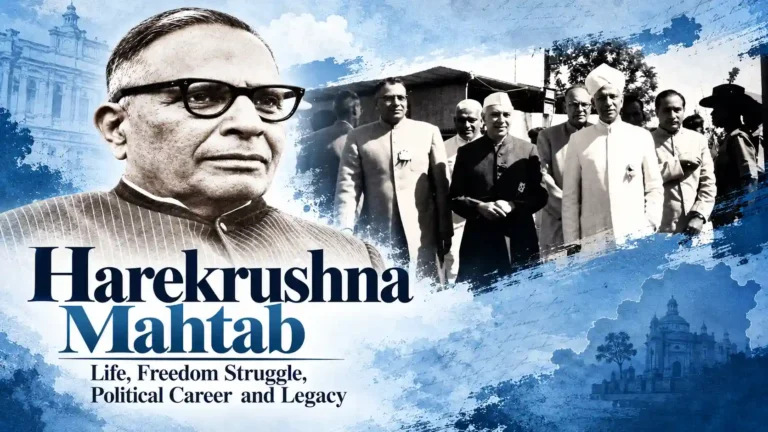
- 1912–1936 – a rallying cry. The song spread quickly and became the anthem of the movement for a separate Odisha, as well as of the wider freedom struggle in the region. Harekrushna Mahatab later said Kantakabi's songs had inspired him a great deal.
- 1932 – first recording. Gokul Mohanty recorded the song on a gramophone record. His tune is the basis of the version sung today.
- 1 April 1936 – Odisha is born. Odisha became the first province in British India formed on the basis of language, and Bande Utkala Janani was sung to mark the occasion. It was treated as the state song from then on.
- 1994 – in the Assembly. The Odisha Legislative Assembly resolved to sing it at the end of every session.
- 30 May 2020 – a state-wide chorus. At 5:30 pm, Odias in the state and around the world sang Bande Utkala Janani together to honour frontline COVID-19 workers, at the call of the Chief Minister.
- 7 June 2020 – official state anthem. The Odisha Cabinet gave the song formal state anthem status. It is now sung at government programmes, Assembly sessions and college and university functions, and an official version runs to 2 minutes 11 seconds.
- November 2020 – in classrooms. The anthem was added to the Class IX and X curriculum in Odisha.
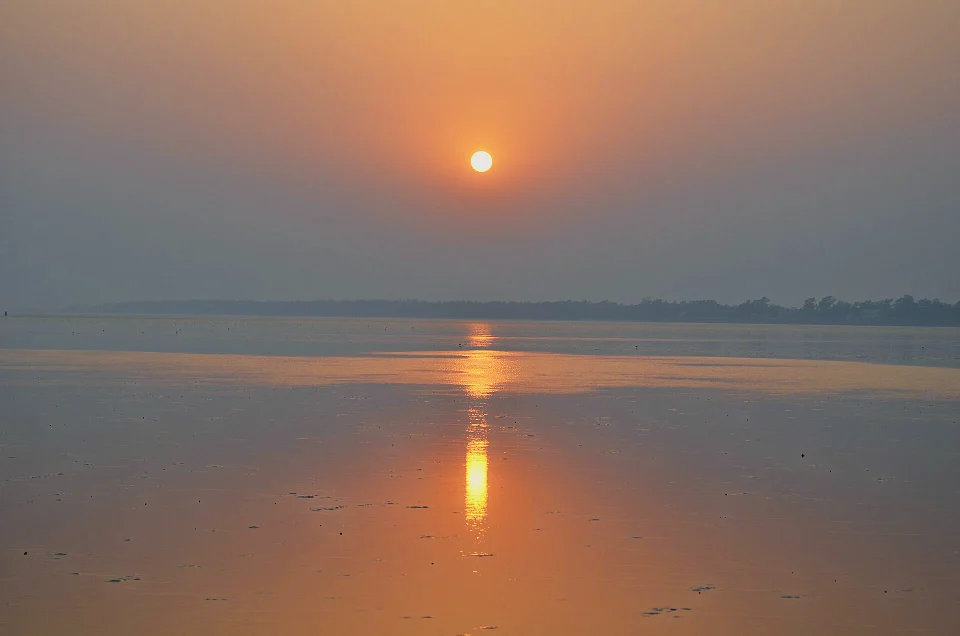
When is Bande Utkala Janani sung?
You will hear it at Utkal Divas (1 April), the birthday of Odisha, at the opening or close of government events, at the end of Assembly sessions, at school and college functions, and at gatherings of Odia communities outside the state. People stand while it is sung, in the same way they would for the national anthem.
Road trip: see the Odisha that Bande Utkala Janani describes
The song reads like a travel list. Here is how each verse maps to places you can drive to. The pairings are our own suggestions; the song itself names no specific places.
"Washed by the holy sea": Odisha's coast
Odisha has about 480 km of coastline. For the sea and palm-lined shores of verse 1, drive to Puri, Chandrabhaga near Konark, Chandipur (where the sea retreats for kilometres at low tide) or Gopalpur. See our guide to beaches near Bhubaneswar for distances and the best ones for a day out. For the sea's history, read about the lost ports of Kalinga.
"Blue hills rising like waves": forests and the Eastern Ghats
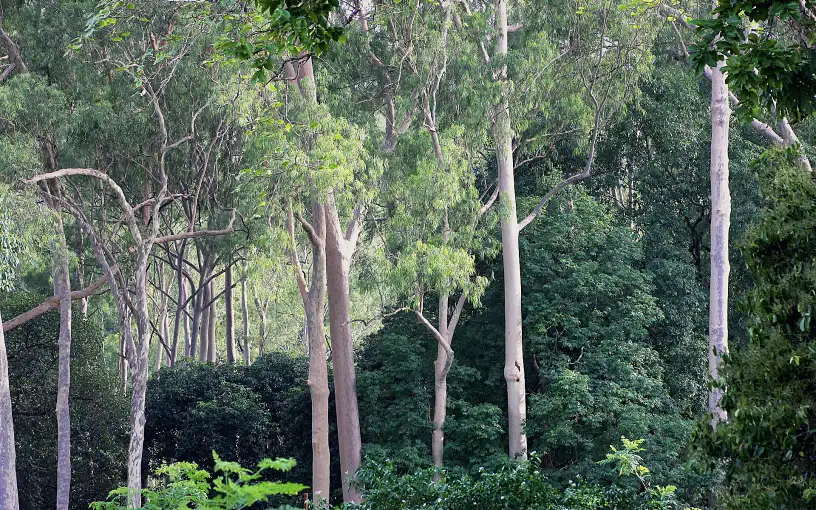
For the forests, hills and birdsong of verse 2, head to Simlipal in Mayurbhanj, home to Barehipani Waterfall, or south to Koraput, where Kalyamali Mountain looks over rolling ranges. Birdwatchers can add Chilika Lake and Bhitarkanika in winter.
"Fields of rice and hermitages of sages"
The green rice fields of the coastal plain line NH-16 between Cuttack and Balasore, and are at their best just before the winter harvest. Quieter spiritual spots such as Niali Madhab Temple and Narayani Temple give a sense of the hermitage calm in verse 3.
"A land adorned with temples and arts"
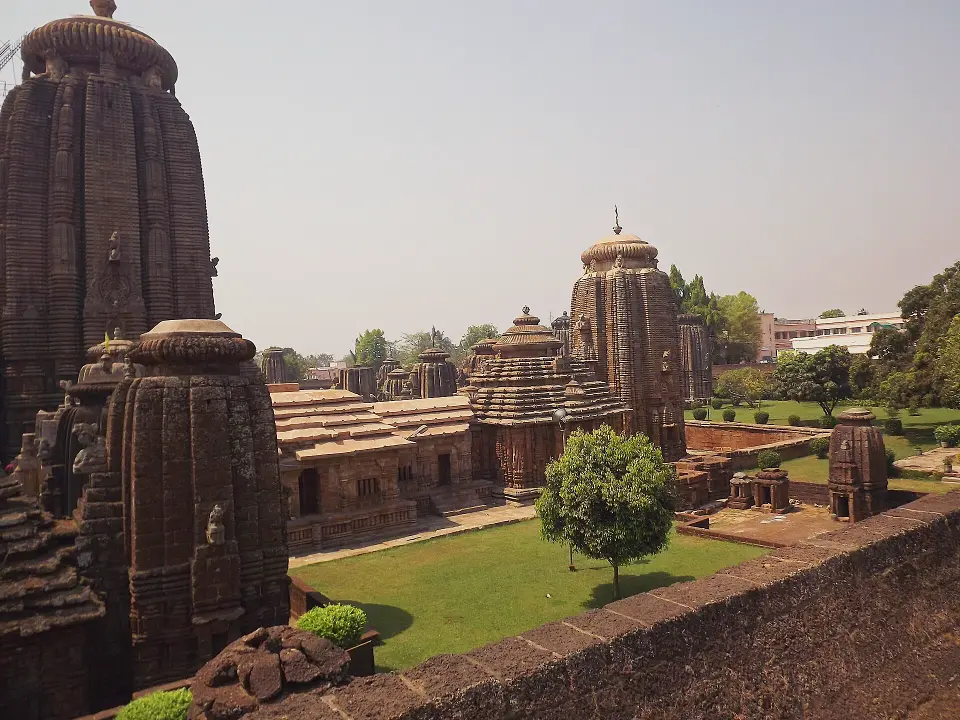
Verse 4 is the Golden Triangle: the Lingaraj Temple and old town in Bhubaneswar, the Jagannath Temple in Puri and the Sun Temple at Konark. For "dressed in fine arts", stop at the pattachitra village of Raghurajpur and the appliqué workshops of Pipili.
"Home of the brave": Kalinga's warriors
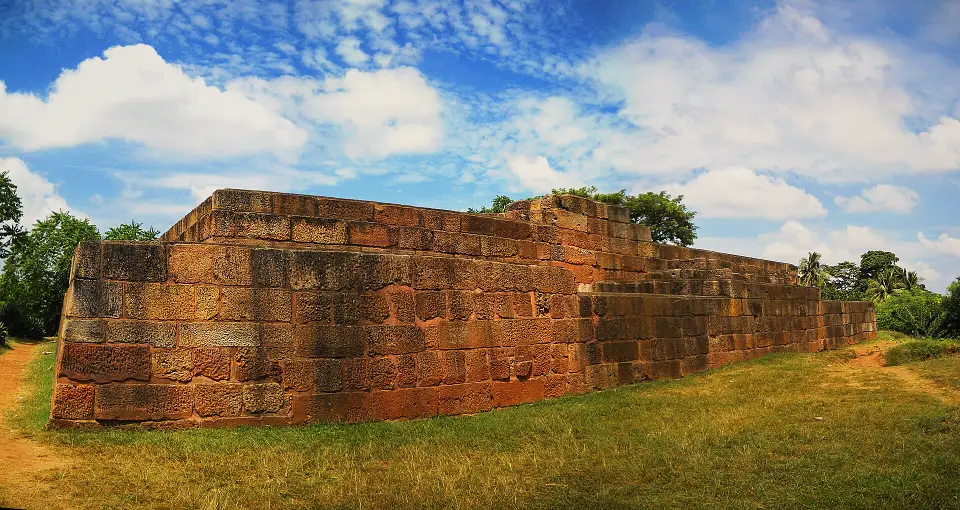
Dhauli Hill, near Bhubaneswar, overlooks the plain associated with the Kalinga War and has Ashoka's rock edicts. In Cuttack, the ruins of Barabati Fort tell the story of Odisha's medieval kings.
Where the song was born: Bhadrak and Balasore
Make a heritage drive of the song's own story:
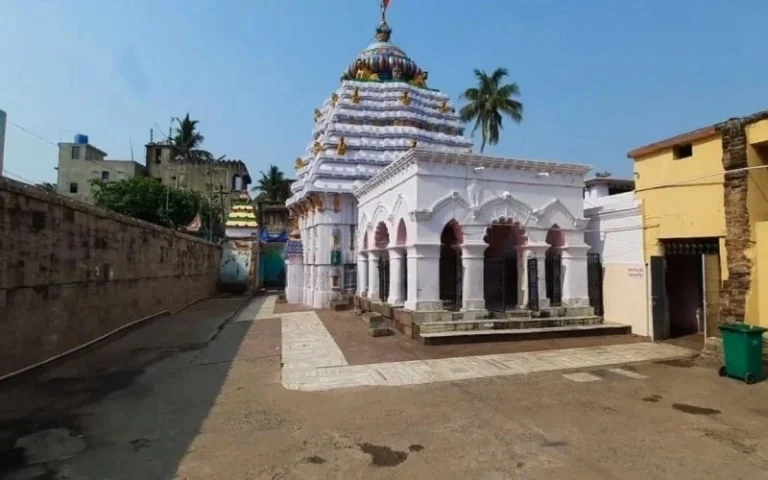
- Bhadrak: Kantakabi's home district. His native village, Talapada, is in the Tihidi block. The state government announced plans in 2020 for a Kantakabi Laxmikanta Mohapatra Memorial Park and Interpretation Centre at Samraipur, along NH-16 in Bhadrak district; check locally on its progress. While in Bhadrak, visit Maa Bhadrakali Temple and combine it with Harekrushna Mahatab's birthplace at Agarpada.
- Balasore: Where the song was first sung in 1912. Add the Inchudi Salt Satyagraha Memorial and end the day with sunset at Chandipur.
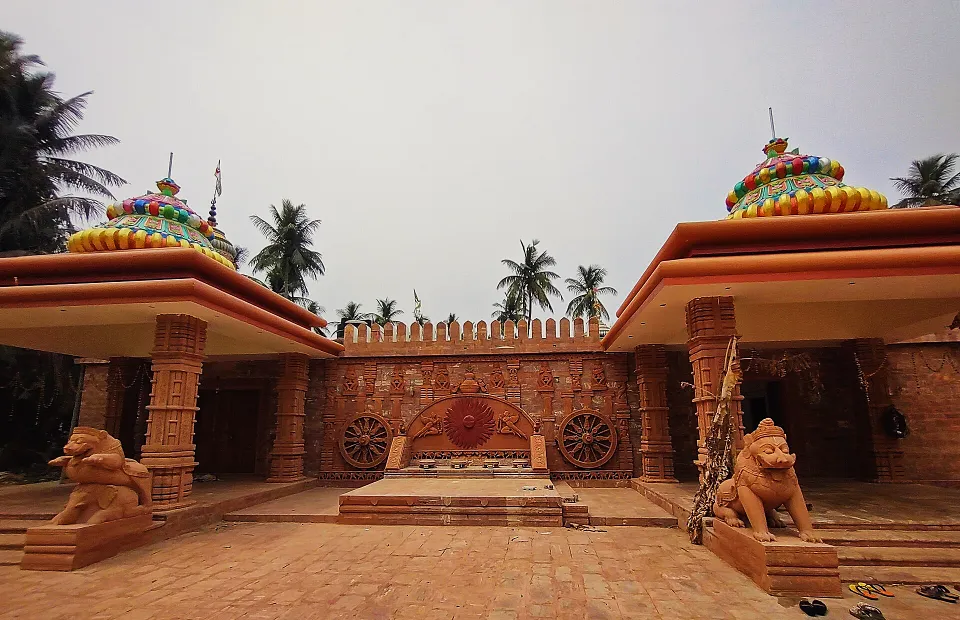
How to plan the Bande Utkala Janani heritage drive
Route: Bhubaneswar → Cuttack → Jajpur Road → Bhadrak (about 130 km on NH-16) → Balasore (about 70 km further) → Chandipur.
Two-day plan:
- Day 1: Leave Bhubaneswar early. Breakfast near Chandikhol, then Bhadrak: Maa Bhadrakali Temple, the Tihidi area and the Kantakabi memorial site at Samraipur, then Agarpada for the Mahatab samadhi. Overnight in Bhadrak.
- Day 2: Drive to Balasore and Inchudi, then Chandipur for the low-tide walk and sunset. Return to Bhubaneswar, or stay the night at Chandipur.
Best time to go: October to February, when the weather is cool and the coastal plain is green. For the full emotional effect, plan the trip around Utkal Divas on 1 April, when the anthem is sung across the state.
Frequently asked questions
What is the state anthem of Odisha?
The state anthem of Odisha is Bande Utkala Janani, written by Kantakabi Laxmikanta Mohapatra in 1912. The Odisha Cabinet gave it official state anthem status on 7 June 2020.
Who wrote Bande Utkala Janani?
Kantakabi Laxmikanta Mohapatra (1888–1953), an Odia poet, playwright and freedom fighter from Talapada in Bhadrak district, wrote Bande Utkala Janani in 1912.
What is the meaning of Bande Utkala Janani in English?
Bande Utkala Janani means "I bow to thee, Mother Utkala". Utkala is the old name for Odisha, and the song praises the state as a mother, describing its sea, forests, hills, temples, arts, heroes and poets.
When was Bande Utkala Janani first sung?
It was first sung in 1912 as the welcome song at the Utkal Sammilani conference in Balasore, during the movement for a separate Odisha province.
When did Bande Utkala Janani become the state anthem?
The Odisha Cabinet accorded it state anthem status on 7 June 2020. It had been treated as Odisha's state song since the state was formed on 1 April 1936, and the Odisha Assembly had sung it at the end of every session since 1994.
Who composed the music of Bande Utkala Janani?
The tune used today comes from Gokul Mohanty's 1932 gramophone recording, the first recording of the song. The official version was arranged by Balakrushna Dash and lasts 2 minutes 11 seconds.
When is Bande Utkala Janani sung?
It is sung on Utkal Divas (1 April), at government programmes, at the end of Odisha Assembly sessions, and at school, college and university functions. People stand while it is sung.
Where can I visit to learn more about Kantakabi Laxmikanta Mohapatra?
His home district is Bhadrak, where his native village Talapada is in the Tihidi block. A memorial park and interpretation centre was planned at Samraipur along NH-16. Balasore, where the song was first sung, is about 70 km further north.
Drive through the song
Bande Utkala Janani asks you to see Odisha as a whole: the sea, the hills, the temples and the people. The best way to do that is by road. Book a self-drive car with Localdrive, take NH-16 north to Bhadrak and Balasore where the song was born, or follow its verses from the Puri coast to the Koraput hills.
Photos: Wikimedia Commons, colour-graded by LocalDrive; they show places the song describes, chosen by us. By Kritzolina (CC BY-SA 4.0); BubunTalk (CC BY-SA 4.0); Jnanaranjan sahu (CC BY-SA 4.0); Nihar.race (CC BY-SA 4.0); Toni Wöhrl (CC BY-SA 4.0); Rajashree Talukdar (CC BY-SA 4.0); Daniel Limma (CC BY-SA 3.0); BinayakAsh (CC BY 4.0). Feature image: Pattachitra of Jagannath by Patrick.zip (CC0), Jagannath Temple at night by Kalyanpuranand (CC BY-SA 4.0), Konark wheel by Ankur Panchbudhe (CC BY 2.0), Chilika by Anuragphotography (CC BY-SA 4.0), Alapadma hand by Aruna at ml.wikipedia (CC BY-SA 3.0), Odissi dancer silhouettes traced from photos by Augustus Binu (1, 2, CC BY-SA 3.0) and Bala Sivakumar (3, CC BY-SA 2.0), and the Odisha district map (CC BY-SA 3.0), composed by LocalDrive.
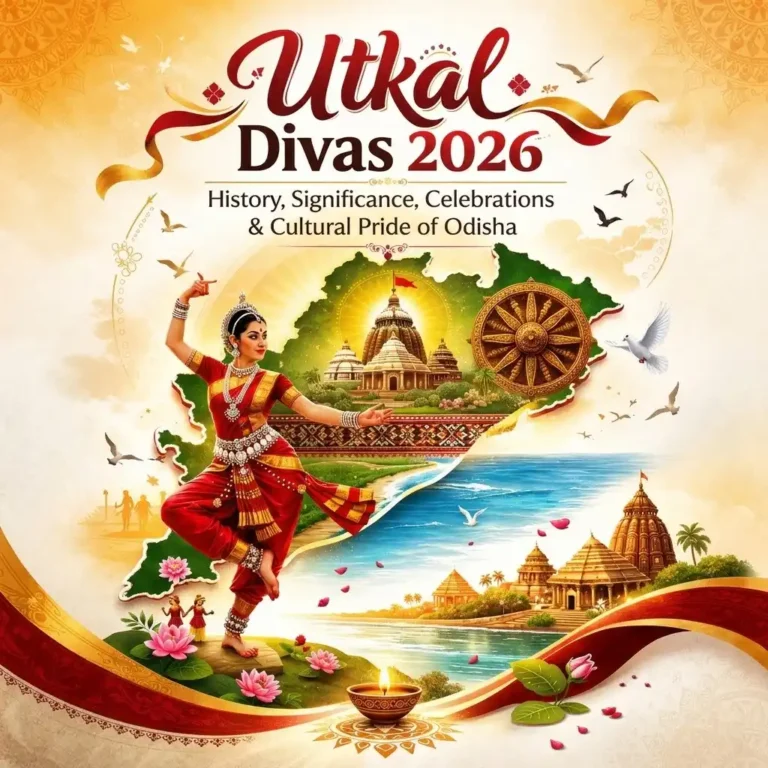
Related guide: Read how Odisha celebrates its birthday on Utkal Divas.