The Dolphin Found in Chilka Is Not the One Most People Picture
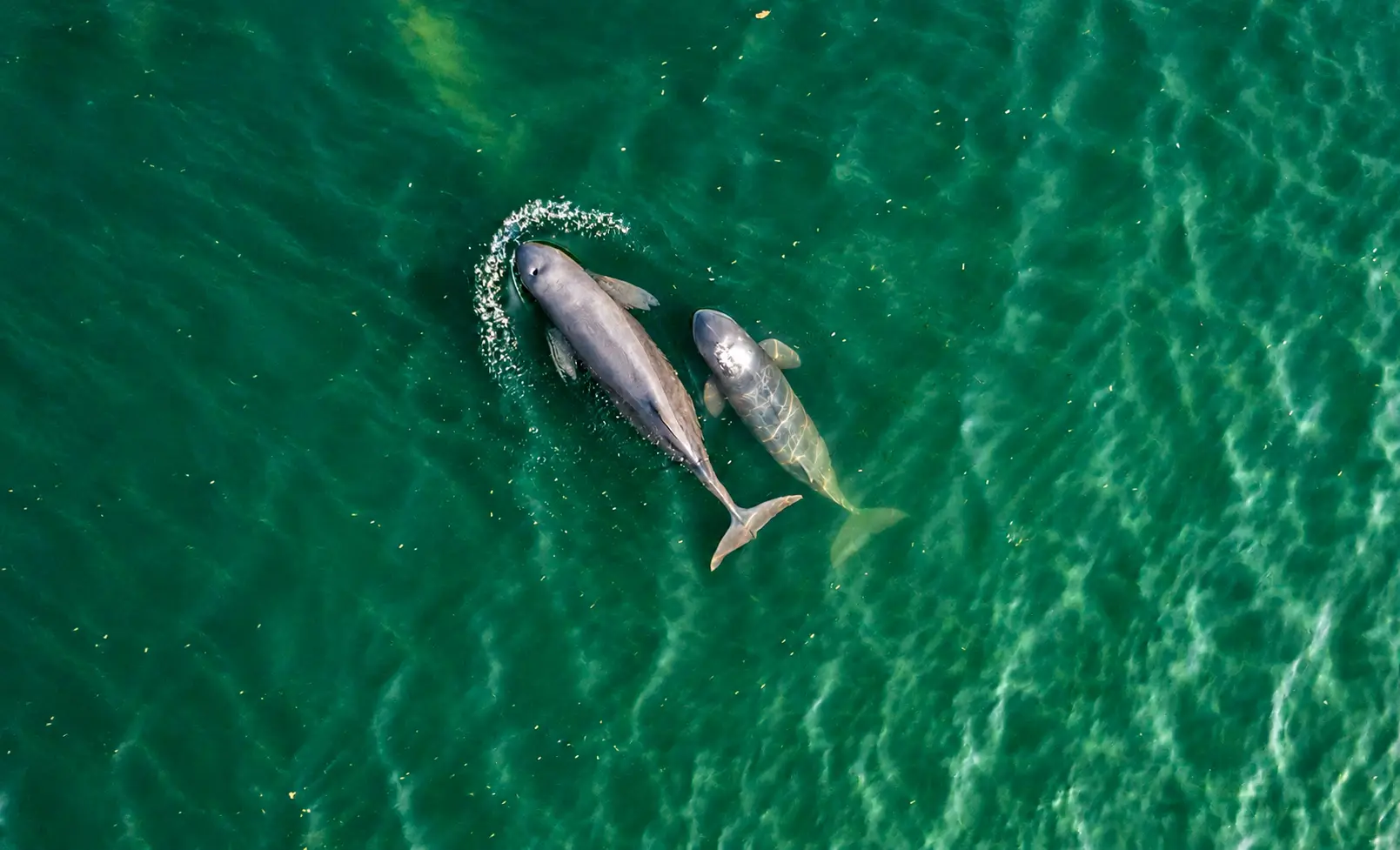
The species associated with Chilka Lake is the Irrawaddy dolphin (Orcaella brevirostris).
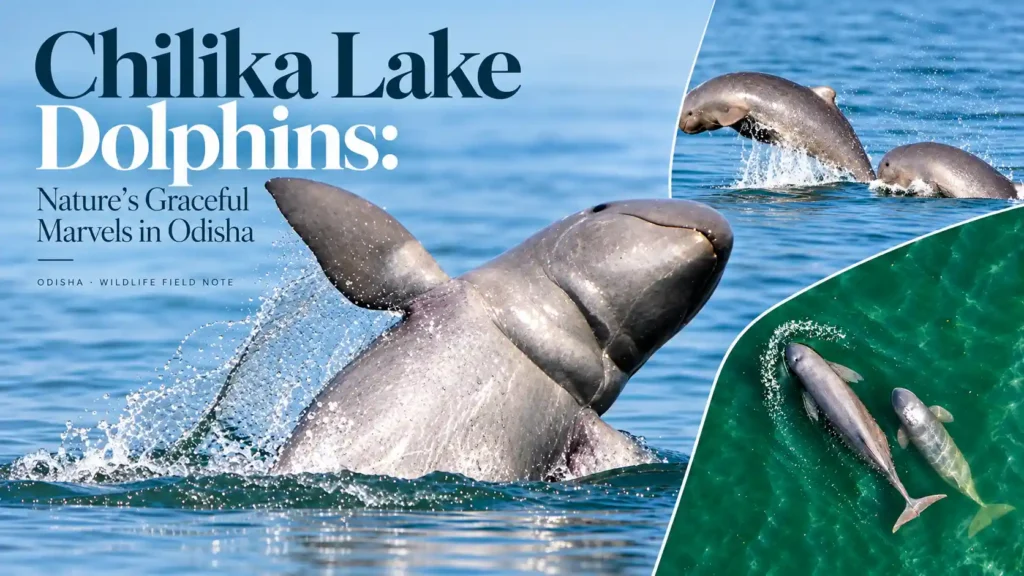
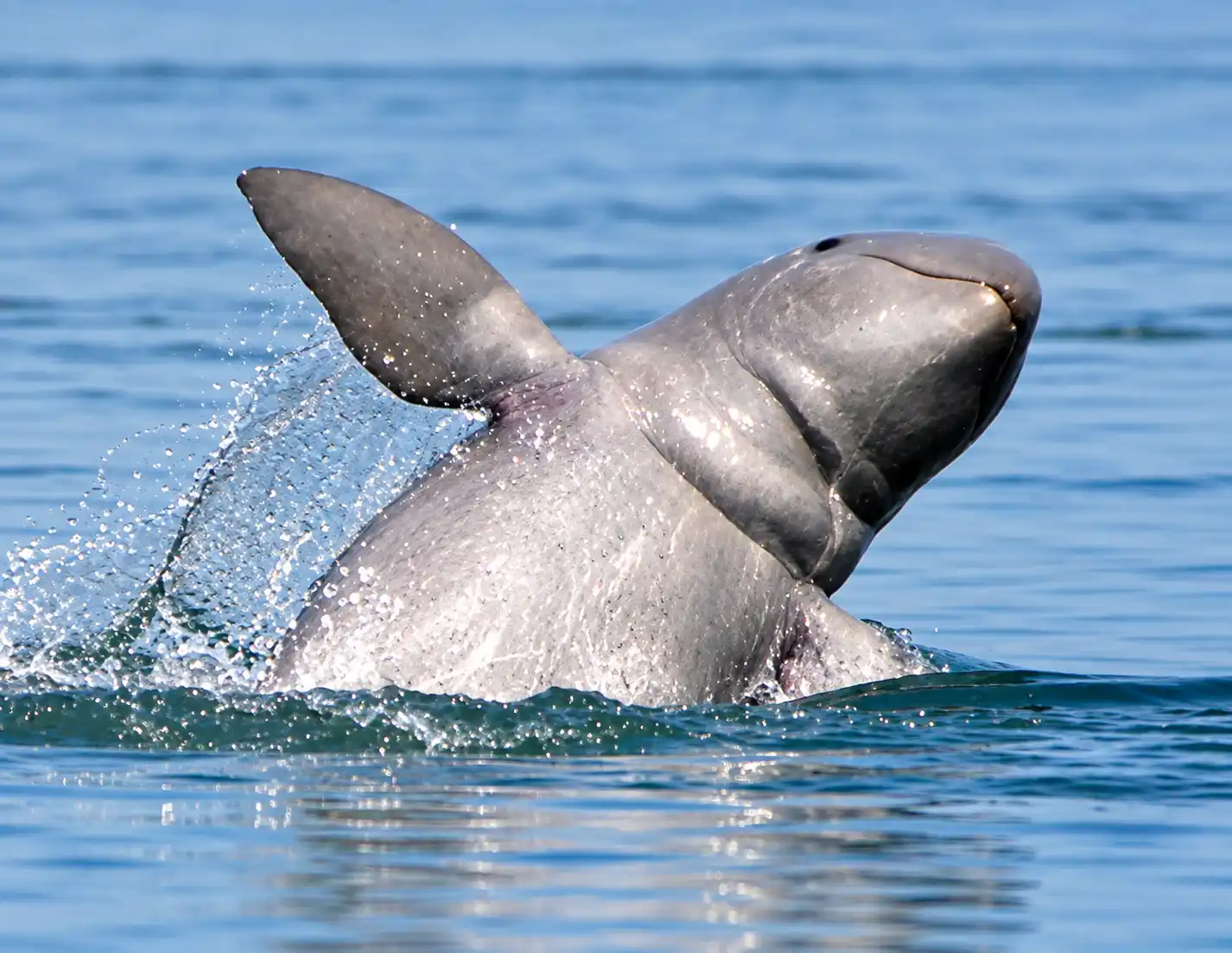
Most of us carry a mental image of a dolphin with a long snout and sleek body. Irrawaddy dolphins do not match that picture. Their forehead is rounded, the beak is short and barely noticeable, and the body looks broader and heavier.
They are still marine mammals, but they live mainly in coastal and brackish water rather than the open ocean.
You can usually recognise them by a few clear features: rounded forehead, short indistinct beak, grey body, broad head, rounded flippers, and a stockier build than most familiar dolphin species.
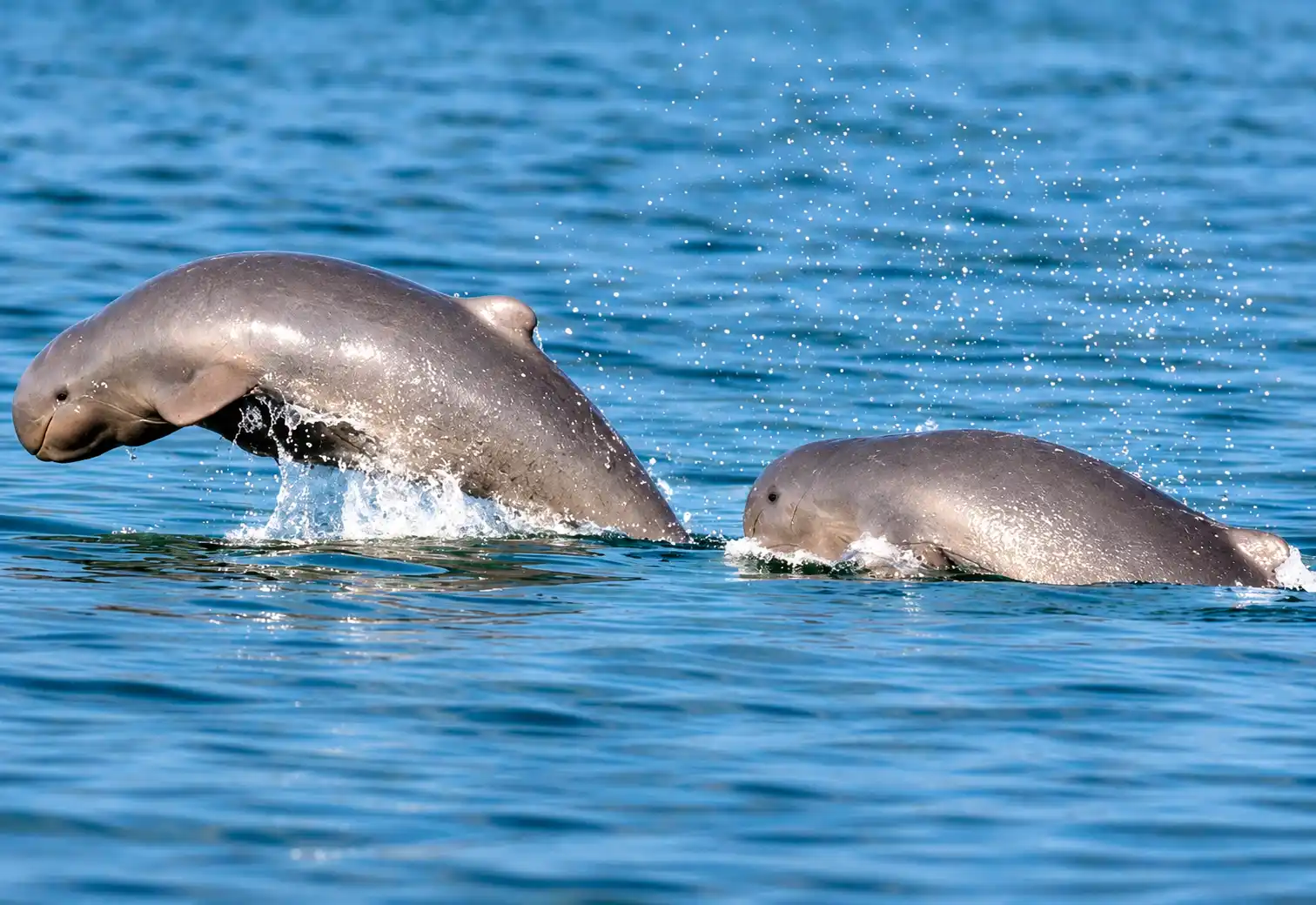
They rarely put on the dramatic displays seen in aquariums or television programmes. A sighting can be over in seconds. Sometimes you only see the head, or the back, or a movement so quick you start wondering whether you saw a dolphin at all.
Why Chilka Is an Important Dolphin Habitat
Chilka is a brackish-water lagoon where freshwater and seawater mix. It stretches across parts of Puri, Khurda and Ganjam districts and supports a wide range of aquatic life. It is also a working waterbody. Fishing boats, local transport, tourism and wildlife all share the same space.
That overlap is exactly what makes Chilka interesting and difficult to manage at the same time.
The dolphins do not live in a sealed-off sanctuary. Their habitat overlaps with the daily lives of people who depend on the lagoon. For researchers and conservation teams, the dolphins are another reason to monitor Chilka’s overall health. Numbers, movement patterns and deaths can signal wider problems in the ecosystem.
Satapada: The Main Starting Point for Dolphin Watching
Most people looking for Chilka’s dolphins head to Satapada.
The area sits near the lagoon’s outer channel and has become the usual starting point for boat trips into the zones where dolphins are often seen. It is one of Odisha’s better-known wildlife stops, especially for visitors coming from Bhubaneswar, Puri and nearby towns.
One expectation needs correcting early: Satapada is a place to go dolphin watching. It is not a place where dolphins appear on a fixed schedule.
The boat can take you towards known areas, but the animals decide where they move. Weather, water conditions, feeding activity and simple luck all play a part. Some visitors get a clear sighting. Others see a dolphin only for a second. A few return without a proper view.
That is not a failed trip. That is wildlife tourism.
What a Dolphin Sighting Usually Looks Like
It is usually less dramatic than the photographs people have in mind.
The boat moves slowly. People begin scanning different parts of the water. Someone notices a ripple. A passenger points. By the time everyone turns, the dolphin may already be underwater. Then it surfaces somewhere else.
Irrawaddy dolphins rarely leap. A rounded head or grey back appears for a moment and disappears. If you are taking photographs, keep the camera ready, but do not spend the entire trip looking through the screen. You can easily miss the actual animal while trying to frame it.
Is Satapada Worth Visiting If Sightings Are Not Guaranteed?
It depends on what you want from the trip.
If you are set on a guaranteed close-up photograph, you may leave disappointed. If you simply enjoy being out on Chilka, the experience offers more than dolphins. The lagoon changes as the boat moves away from the shore. You pass fishing boats, see birds, notice distant islands, and get a real sense of how large and busy the place is.
Dolphins are the reason most people book the ride. The lagoon itself is what makes the setting interesting. And if a dolphin does appear, even briefly, that becomes the part of the trip everyone talks about later.
When Is the Best Time for Dolphin Watching on Chilka?
There is no particular hour that guarantees a sighting.
Morning trips are popular because the conditions often feel more comfortable for boating, but dolphin movement is not controlled by tourist schedules. A calm morning does not automatically mean dolphins will surface beside your boat.
A practical approach is to go early if possible, check local boat arrangements before travelling, leave some buffer time instead of rushing, avoid treating a sighting as guaranteed, and accept that the animals may stay distant.
That last point matters most. A wild animal is not going to cooperate simply because visitors have travelled a long distance.
What Makes Irrawaddy Dolphins Different
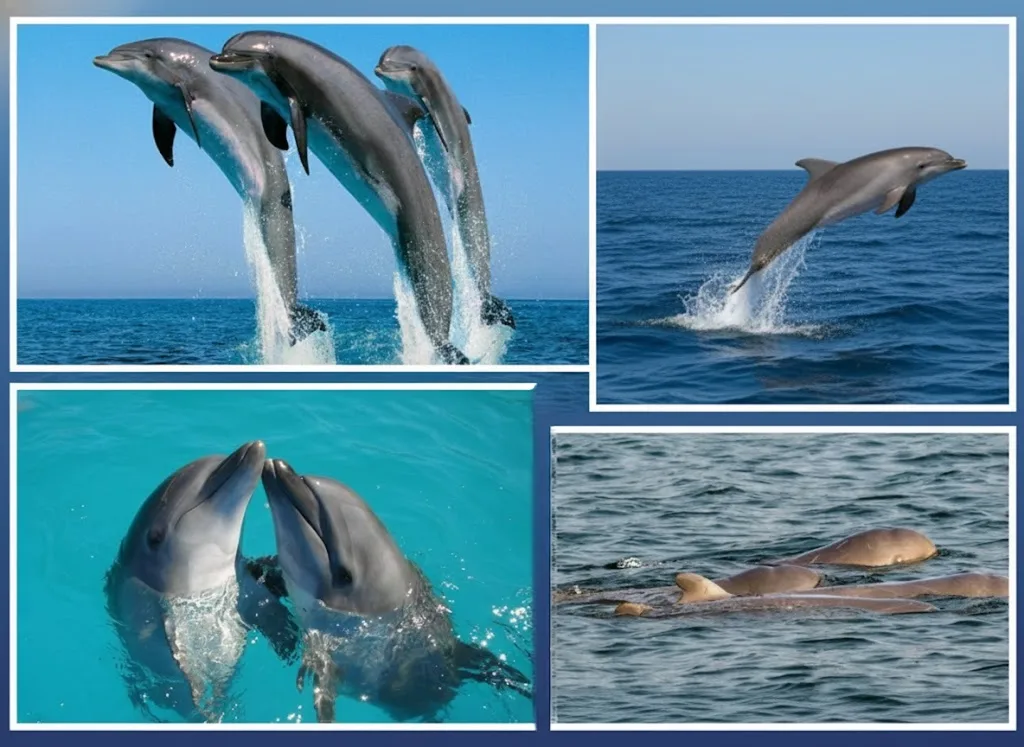
People often confuse Irrawaddy dolphins with other species because they recognise the general dolphin shape rather than specific features.
The rounded forehead and short beak are the easiest visual clues. They also look different from bottlenose dolphins, which have a much more pronounced snout.
They tend to surface quietly, which makes them harder to spot from a moving boat. Local boat operators and people who have been out many times sometimes notice them before first-time visitors. They know what a brief surfacing movement looks like and where to look.
The Problems Facing Chilka’s Dolphins
Human activity is constant in Chilka. That creates several real pressures.
Fishing nets remain a serious threat. A dolphin caught in a net may not be able to surface properly or may suffer severe injuries. This is not only a dolphin issue — it is part of the larger challenge of balancing fishing with wildlife protection.
Boats and propellers also pose risks. Tourist boats, fishing boats and other motorised vessels all operate in the lagoon. When boats move too close there is a risk of collision or propeller injury. The danger increases when several boats try to approach the same animal at once. A dolphin surfacing near a boat does not mean the boat should follow it.
Tourism pressure can turn a normal sighting into disturbance. The desire for a better photograph sometimes leads to chasing the animal, repeatedly moving closer, or asking the operator to pursue it. That may improve the view for passengers, but it is not responsible viewing. The best sighting is not always the closest one.
Changes in the lagoon affect the dolphins too. They need suitable water conditions and enough prey. Habitat shifts, water quality and food availability all influence where they travel and feed. Chilka’s condition matters far beyond tourism. Fishers, birds, other aquatic life and the dolphins themselves all depend on a healthy lagoon.
How Chilka’s Dolphins Are Protected
Conservation work involves the Chilka Development Authority, wildlife officials, researchers and local communities. Population surveys form one part of the work. Authorities also need to understand where the dolphins are found, how they use the lagoon, what threats they face, and why animals die.
Simply counting dolphins once a year does not solve the problems affecting them. Research, awareness programmes and monitoring of human activity are all important. The Odisha Forest Department has identified fishing-net entanglement, boat-related injuries, habitat changes and disturbance as key concerns for dolphin conservation.
There is no simple solution. Chilka is not an empty waterbody that can be closed off from people. People fish here, travel here and earn their living here. Conservation has to work within that reality.
How Many Irrawaddy Dolphins Are There in Chilka Lake?
The year matters as much as the number.
Older articles often repeat population figures without saying when the census was conducted. That makes the information look more current than it actually is.
An Odisha Forest Department annual report recorded 155 Irrawaddy dolphins during the January 2021 census conducted by the Chilka Development Authority. Later reports have published updated figures. A February 2026 report cited 159 Irrawaddy dolphins in Chilka.
If you are using a population figure, always mention the census year and source. Writing “Chilka currently has over 150 dolphins” as if the number is fixed is misleading.
A more accurate way to put it is that Chilka’s Irrawaddy dolphin population varies between census years, and any figure should be quoted with the date of the survey. That small detail makes the information more reliable.
What Visitors Should Avoid During Dolphin Watching

There is no need to overcomplicate this.
Do not ask the boat operator to chase dolphins. Do not encourage the boat to move closer just for a better photograph. Do not feed the animals or try to touch them. If a dolphin surfaces and then moves away, let it go.
A few practical points worth following: keep noise low when dolphins are nearby, do not throw plastic or food into the lagoon, avoid crowding animals with boats, follow the instructions of the boat crew, do not try to attract dolphins for photographs, and accept that a distant sighting is still a sighting.
The point of wildlife watching is to observe an animal behaving naturally, not to make it behave differently for the people watching.
Frequently Asked Questions About Chilka Lake Dolphins
Which dolphin species is found in Chilka Lake?
Irrawaddy dolphins (Orcaella brevirostris) are the species most closely associated with Chilka Lake.
Where can I see dolphins in Chilka?
Satapada is the best-known dolphin-watching area and the main starting point for most boat trips.
Are dolphins guaranteed to appear during a Satapada boat trip?
No. Dolphins are wild animals. Sightings depend on their movement, weather, water conditions and other natural factors.
What do Irrawaddy dolphins look like?
They have a rounded forehead, short indistinct beak, grey body and a broader appearance than many familiar dolphin species.
Are Chilka dolphins friendly?
They should be treated as wild animals, not pets. Visitors should not feed, touch, chase or try to attract them.
Why are Irrawaddy dolphins under pressure?
Major concerns include fishing-net entanglement, boat-related injuries, habitat changes and disturbance from human activity.
How many Irrawaddy dolphins are in Chilka Lake?
The number depends on the census year. The January 2021 official count recorded 155. Later reports have published updated figures. Always include the year when quoting a population number.
Is dolphin watching suitable for children?
Yes. It can be an enjoyable experience for children, especially if they understand that the animals may appear only briefly or may not be seen clearly at all.
A Few Seconds on the Water Can Be Enough
Dolphin watching in Chilka does not follow a fixed script. You might get a clear view. You might see only a grey back disappearing into the water. You might spend most of the trip waiting for the next ripple.
That is part of the experience.
What matters is not how close the boat gets. It is whether the animals can continue using the lagoon without constant pressure from the people who come to see them. For visitors that means patience. For the people managing Chilka it means finding a workable balance between tourism, fishing, conservation and everyday life on the water.
If you are planning a trip to Satapada, carry one clear expectation with you: the dolphins decide.