Where the Dongria Kondh live
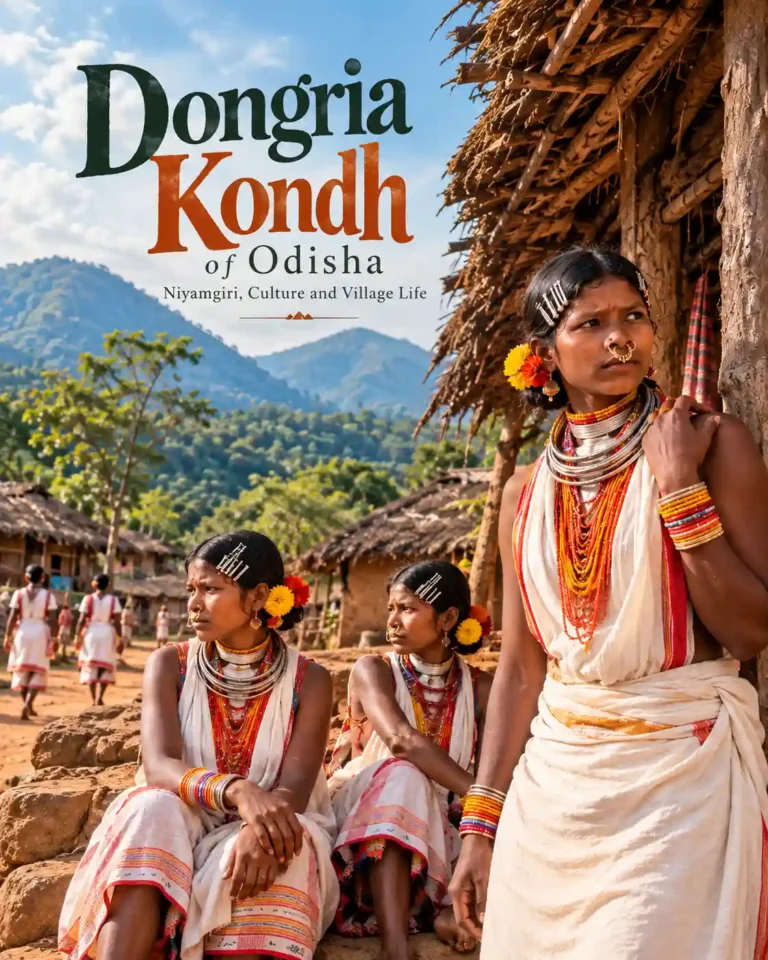
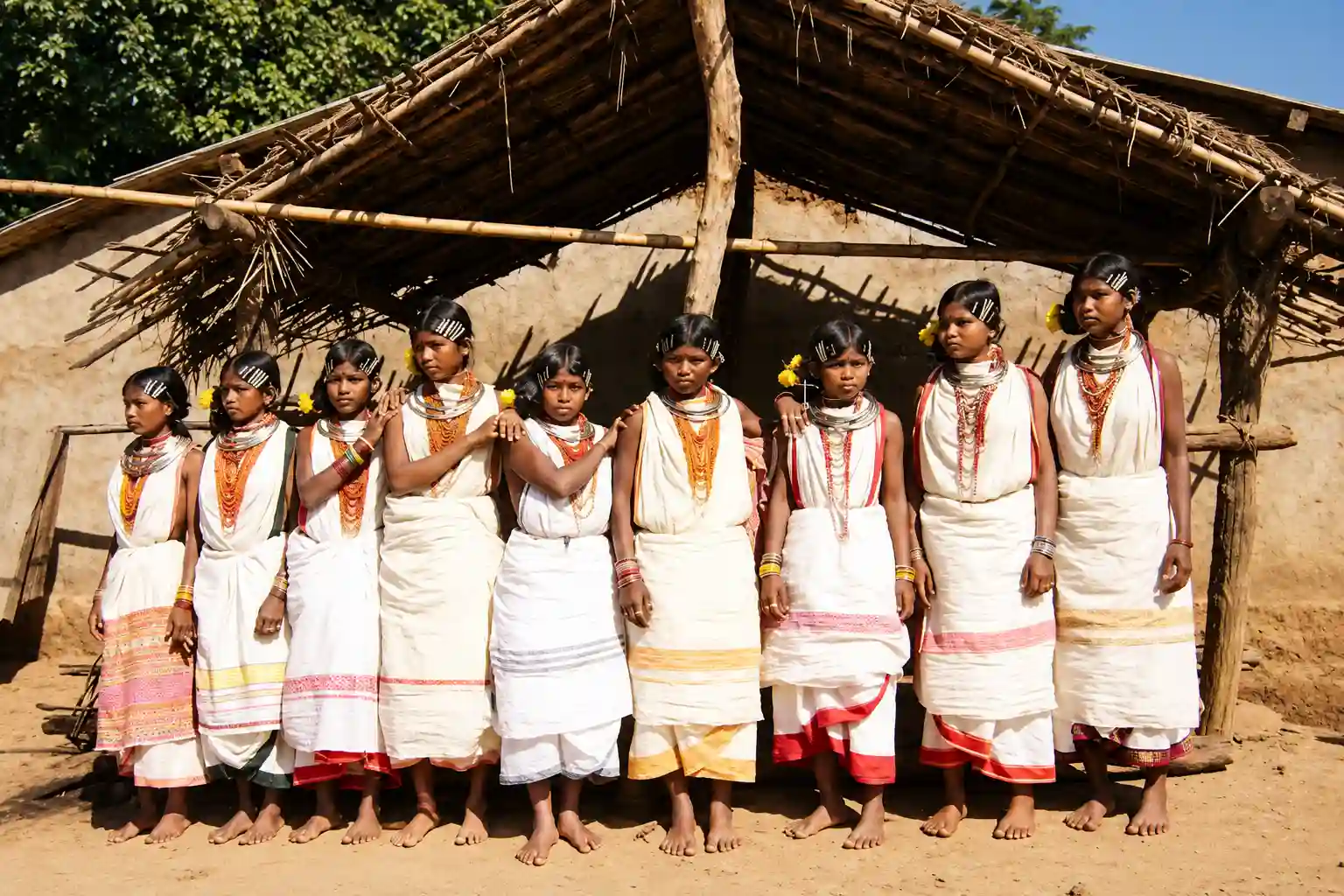
The Dongria Kondh live in villages among the Niyamgiri hills in southern Odisha. The hill environment shapes local livelihoods, including horticulture and shifting cultivation. The community’s relationship with the land is also connected to its religious beliefs and its understanding of Niyamgiri as a sacred place.
Village life, water and cultivation
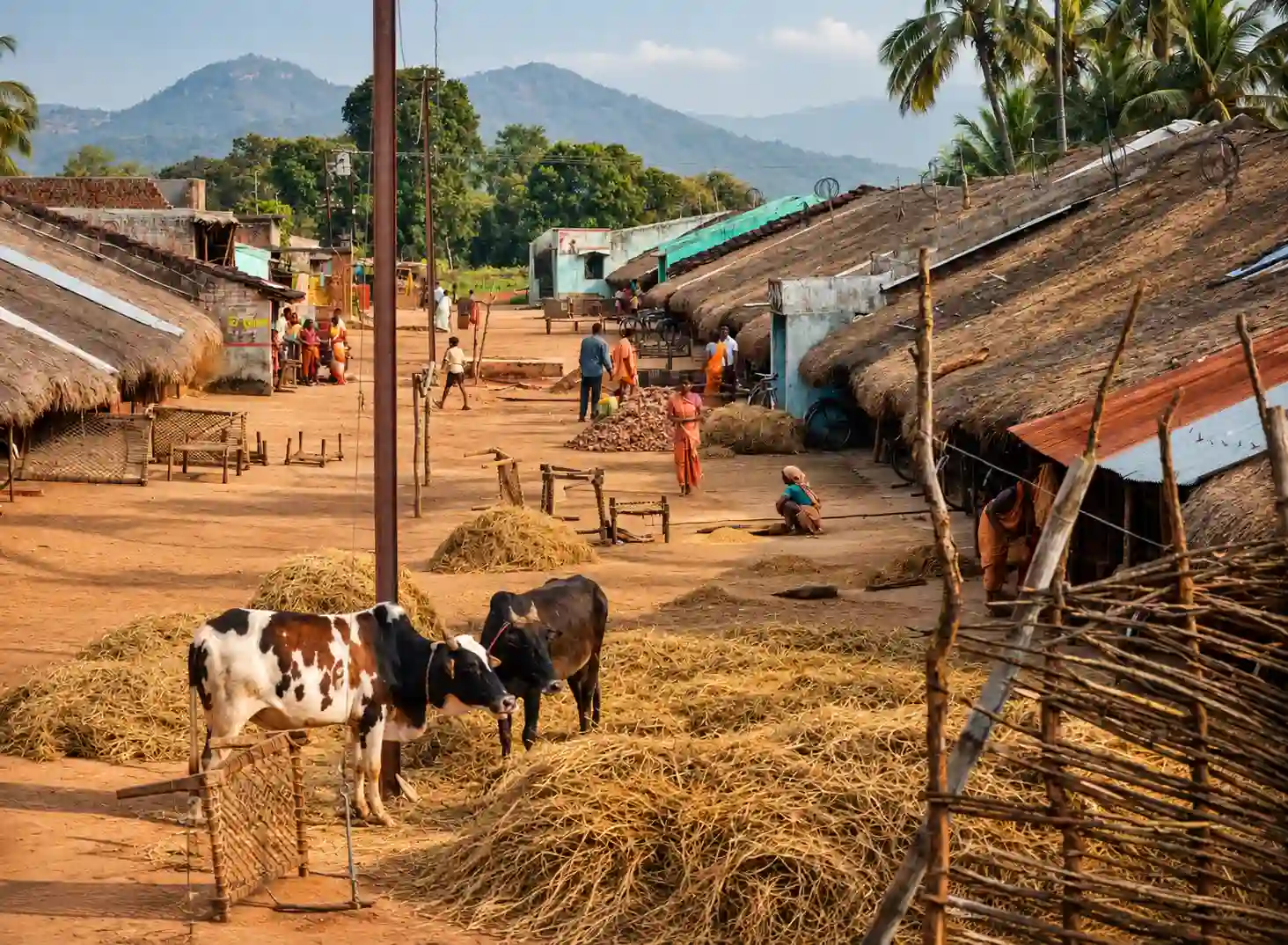
In Dongria Kondh villages, water can be seen running through settlement areas and along the fronts of homes. Lanes and cemented spaces around houses form part of the village setting. Residents also work with harvested crops and dry grain in open areas.
Rice and other locally grown foods are part of village life. Horticulture and shifting cultivation are also important livelihood activities. The crops grown and the work involved can vary with local conditions and the season.
Niyamgiri and the community’s beliefs
Niyam Raja is revered by the Dongria Kondh. Their beliefs are closely tied to the hills and forests around them. This connection is central to discussions about the protection of Niyamgiri and its natural environment.
A proposed bauxite-mining project in the Niyamgiri hills brought attention to the community’s concerns about ancestral land, local livelihoods and its role in decisions affecting its territory. The dispute has legal and political dimensions that require separate, up-to-date verification.
Language and cultural identity
Kui is spoken among the Kond community. It is primarily a spoken language and is not commonly associated with a standard written script. Language is one part of the community’s identity, alongside its relationship with Niyamgiri, livelihoods and cultural practices.
Traditional clothing, hairstyles and ornaments
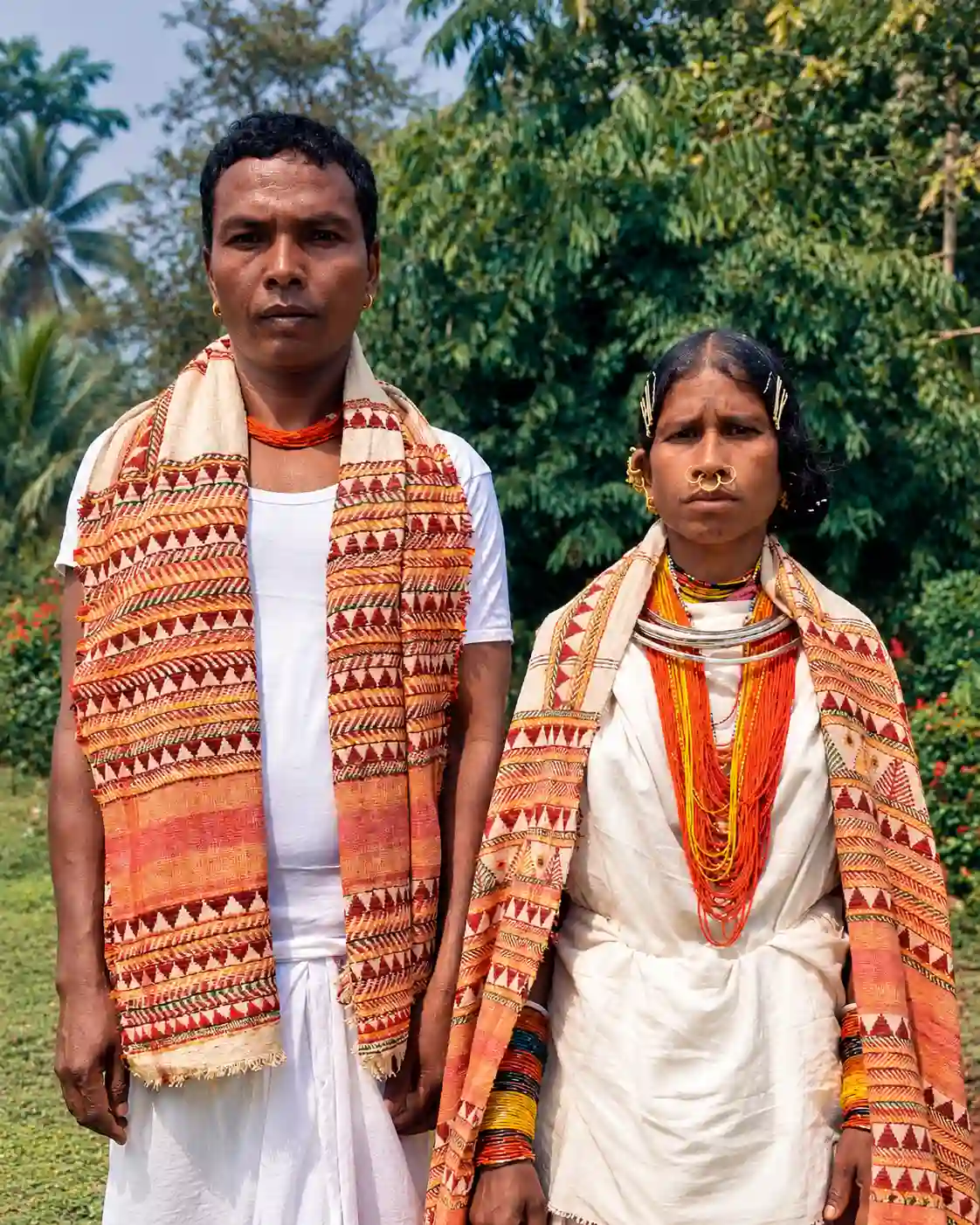
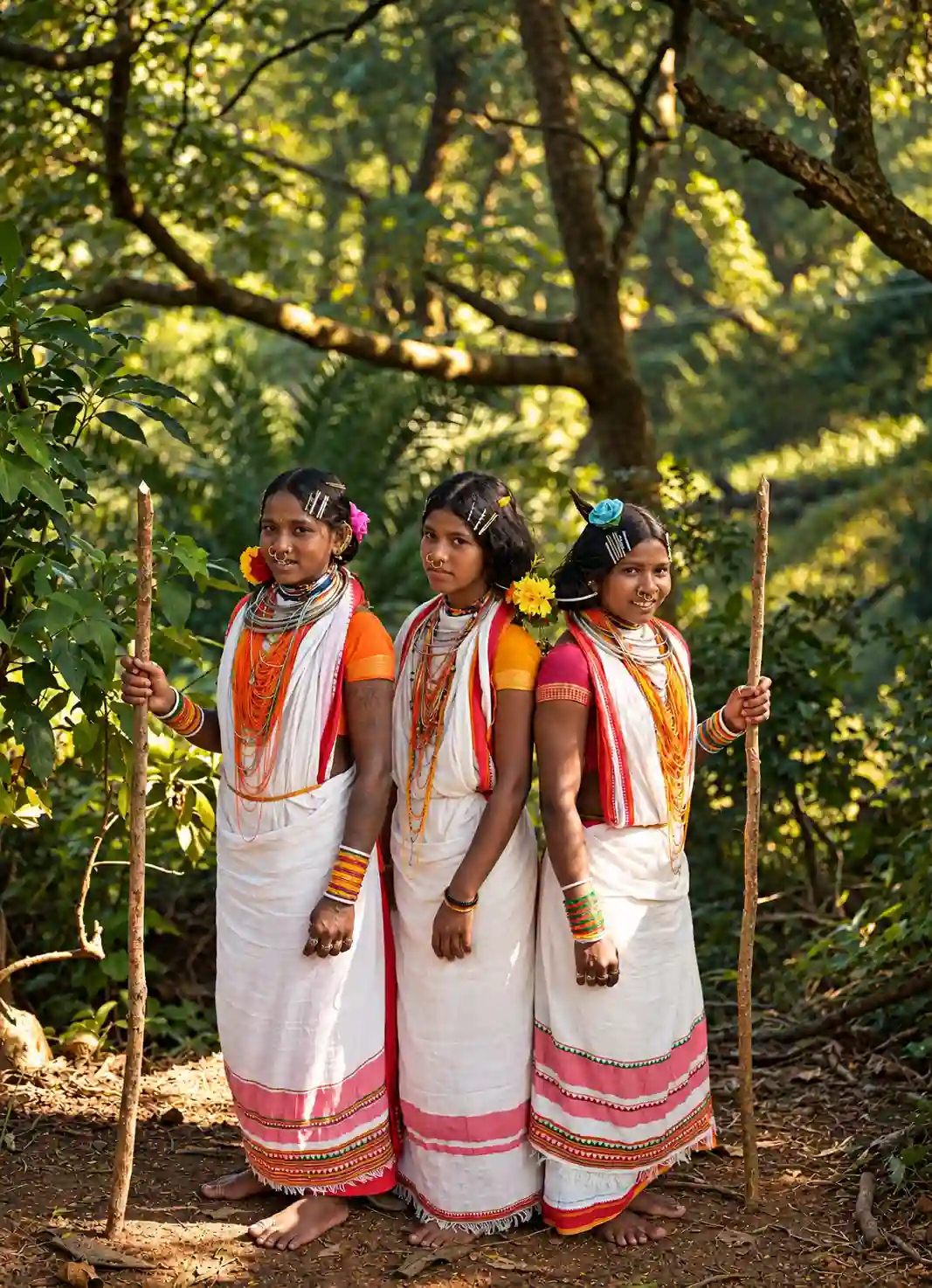
Dongria Kondh clothing and ornaments have distinctive features. Women may wear cotton saris, often white with a red border, along with brass neck bands, waist bands and anklets. Men’s attire differs. Dress can vary by person and occasion, so these are examples rather than rules followed by every community member.
Hair ornaments are another notable feature. Men and women may keep their hair long and arrange it in buns, using clips, pins, flowers or combs. In some cases, plastic combs from local markets have replaced handmade bamboo or wooden combs. A small sickle-shaped knife may also be tucked into the hair for practical tasks such as cutting fruit or trimming thread; its local name can vary and should be confirmed before publication.
Nose rings, finger rings, flower-shaped ornaments, beads and other jewellery may also be worn by men and women. The choice of ornaments varies; not everyone wears the same items.
Food and local products
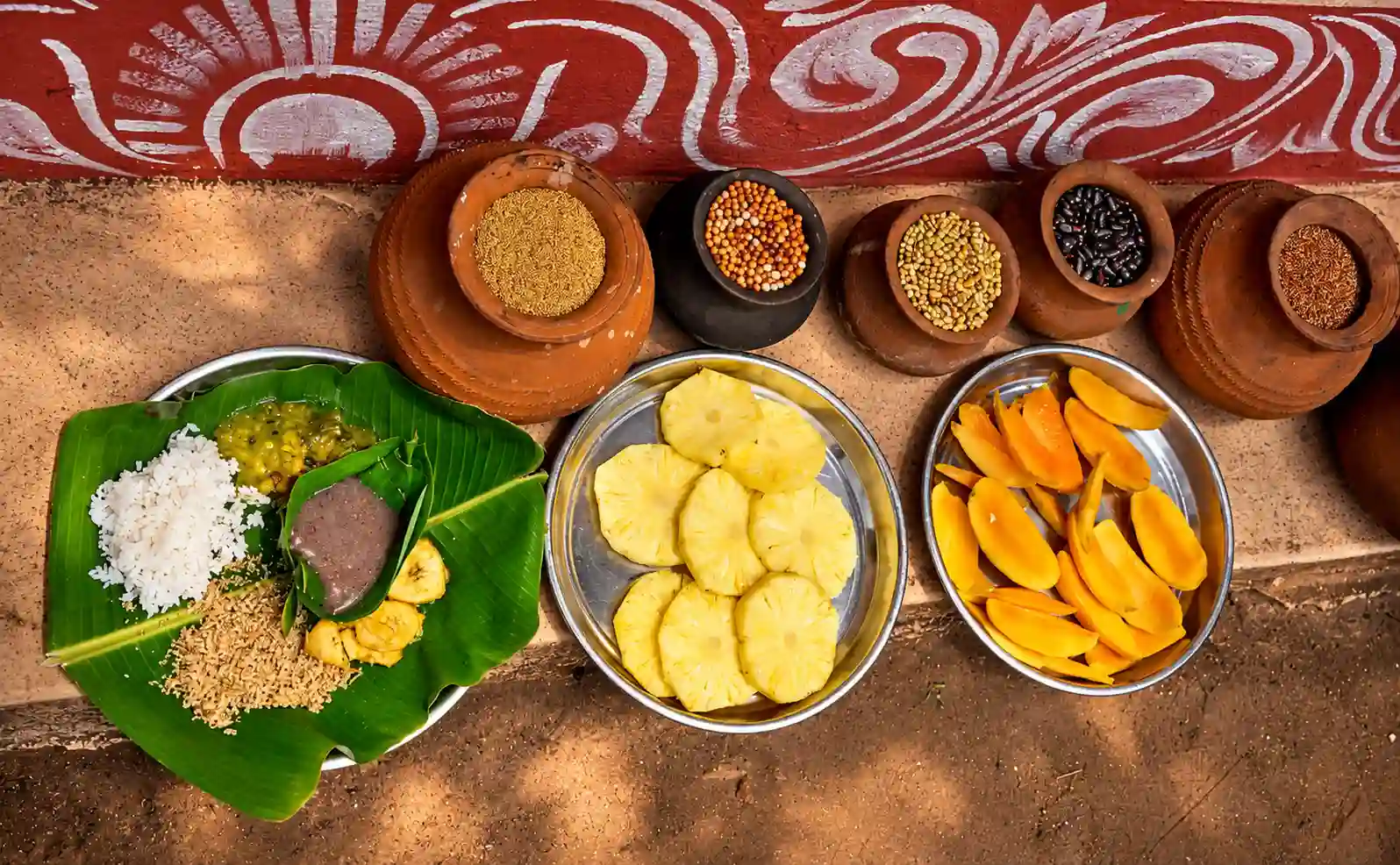
Local food practices are closely connected with crops grown in the surrounding area. Grain and other locally produced foods may be grown and prepared by residents. The exact range of foods varies by household, season and availability.
Visiting a Dongria Kondh village respectfully
Village lanes, homes, water channels, cultivated areas and daily activities are part of everyday life. Anyone planning to visit a Dongria Kondh village should remember that it is a lived-in community, not an attraction staged for visitors. Ask before taking photographs or filming people, follow local guidance, avoid entering homes or fields without permission, and do not remove plants, crops or other items.
Visitor routes, transport options, entry requirements and official contact details should be confirmed locally before planning a trip. Travellers interested in Indigenous communities and the wider region can also read about the Bonda Tribe of Odisha and learn more about Phulbani tourism in Kandhamal.
Frequently asked questions
Who are the Dongria Kondh?
The Dongria Kondh are an Indigenous community associated with the Niyamgiri hills of Odisha.
Where do the Dongria Kondh live?
They live in villages in the Niyamgiri hill ranges, across parts of Rayagada and Kalahandi districts.
What language do the Dongria Kondh speak?
Kui is spoken among the Kond community and is primarily an oral language without a commonly used standard written script.
What are Dongria Kondh traditional clothes like?
Women may wear cotton saris, often white with a red border, with brass neck bands, waist bands and anklets. Clothing and ornaments vary among individuals and occasions.
What work do Dongria Kondh communities do?
Horticulture, shifting cultivation and crop growing are livelihood activities connected with the surrounding hills.
Why is Niyamgiri important to the Dongria Kondh?
Niyamgiri is closely connected to the community’s beliefs, livelihoods and cultural identity, including reverence for Niyam Raja.
A community shaped by its landscape
The Dongria Kondh cannot be understood through a single image of traditional dress or a short description of a hill village. Village life, cultivation, language, ornaments, spiritual beliefs and the relationship with Niyamgiri form a much broader picture. Writing about the community carefully means describing its distinct identity without treating all Indigenous people as the same or assuming that a few cultural details represent every aspect of community life.