

Introduction
As someone deeply passionate about nature and wildlife, I constantly look beyond popular tourist circuits to discover places that still feel raw and untouched. Odisha, with its diverse ecosystems, offers several such hidden sanctuaries. Yet, Karlapat Wildlife Sanctuary Odisha, tucked away in the Kalahandi district, stands apart for its dramatic landscapes, rich biodiversity, and calming isolation.
Far from the noise of mainstream tourism, Karlapat Wildlife Sanctuary in Kalahandi feels like a living, breathing wilderness. Dense forests, rolling hills, waterfalls, and the presence of majestic wildlife make it a destination that rewards patience and curiosity.
In this blog, I take you through Karlapat Wildlife Sanctuary Odisha; its scenic beauty, exact location, tourism importance, wildlife diversity, historical relevance, and my own unforgettable experience exploring this sanctuary. If you’re searching for “Karlapat Wildlife Sanctuary Odisha” or “Karlapat Wildlife Sanctuary Kalahandi”, this detailed guide will help you understand why it deserves a place on your travel list.Table of Contents
Scenic Views of Karlapat Wildlife Sanctuary: Nature in Its Rawest Form
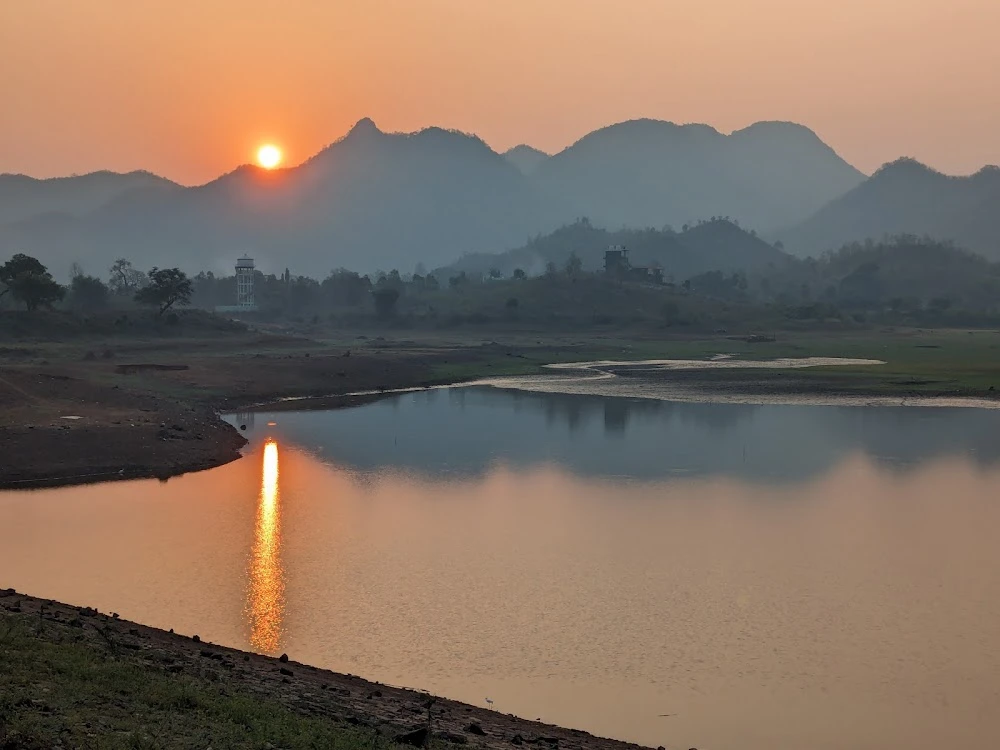
The first thing that strikes you about Karlapat Wildlife Sanctuary Odisha is its landscape. Spread across the Eastern Ghats, the sanctuary showcases a striking mix of undulating hills, deep valleys, forested slopes, and seasonal streams. Every turn reveals a new shade of green, especially during monsoon and post-monsoon months.
Dense moist deciduous forests dominate the region, primarily consisting of sal, piasal, bamboo, Palash, Sishoo and mixed vegetation. Sunlight filters through thick canopies, creating patterns on the forest floor that change throughout the day. Rocky patches and open scrublands add contrast, making the terrain visually dynamic and perfect for nature walks.
One of the most scenic highlights within the sanctuary is Phurlijharan Waterfall. The waterfall cascades gracefully over rock faces, forming clear pools below. Mist rises gently, cooling the surrounding air and creating a peaceful picnic atmosphere. The sound of flowing water, combined with birdsong, makes this spot incredibly soothing.
Seasonal flowers, flowing rivulets, and forest trails enhance the sanctuary’s beauty year-round. Whether you are trekking, photographing landscapes, or simply sitting quietly, Karlapat offers visual therapy at every step.Location and Accessibility of Karlapat Wildlife Sanctuary Odisha
Karlapat Wildlife Sanctuary is located in the Kalahandi district of southern Odisha and covers an area of approximately 175 square kilometres. It forms a significant part of the Eastern Highlands moist deciduous forest ecoregion, known for its rich biodiversity and scenic forest landscape.
Distance from Major Locations
- Bhawanipatna (District HQ): ~12–15 km
- Bhubaneswar: ~400 km
- Raipur Airport (Nearest): ~250 km
Bhawanipatna serves as the most convenient base to explore the sanctuary. From here, well-maintained roads lead directly to Karlapat, with buses, private vehicles, and taxis easily available, ensuring smooth access despite the region’s remote character.
Nearby villages such as Karlapat function as entry points and provide local guidance. Although the surroundings feel peaceful and secluded, basic road connectivity allows visitors to reach the sanctuary comfortably without the need for extensive trekking.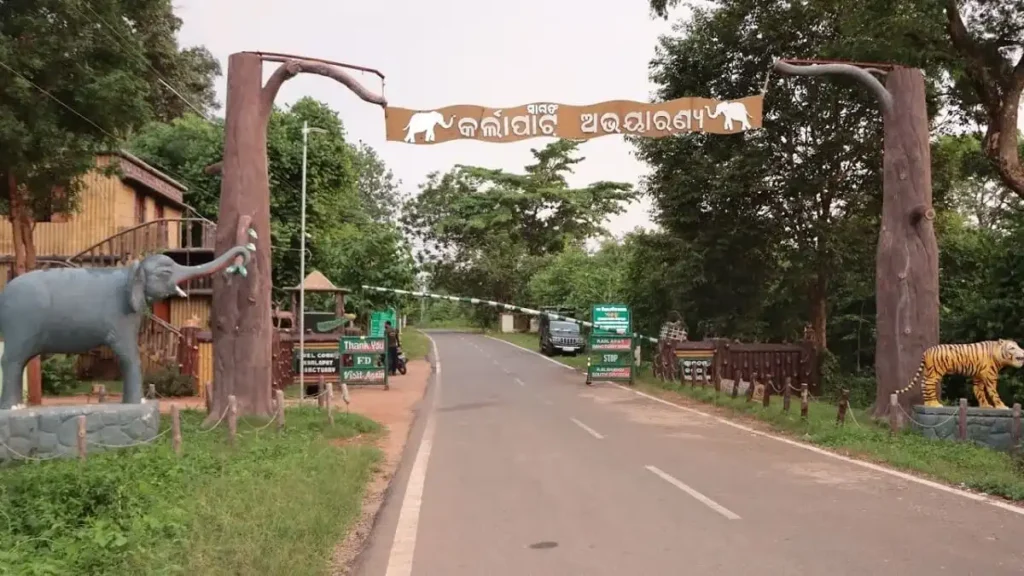
Tourism Significance of Karlapat Wildlife Sanctuary Kalahandi
The sanctuary attracts wildlife enthusiasts, birdwatchers, trekkers, photographers, and researchers. Importantly, eco-tourism initiatives here focus on sustainability and conservation, encouraging responsible travel practices. Local communities play a growing role as guides, caretakers, and service providers.
Phurlijharan Waterfall has been thoughtfully developed as a picnic and nature appreciation zone, drawing families and small groups. As tourism grows slowly and responsibly, it contributes to the local economy of Kalahandi while maintaining ecological balance.
Karlapat’s tourism significance lies not in crowds, but in its ability to offer authentic forest experiences, a rare quality in today’s travel landscape.Wildlife Diversity: Animals Found in Karlapat Wildlife Sanctuary Odisha
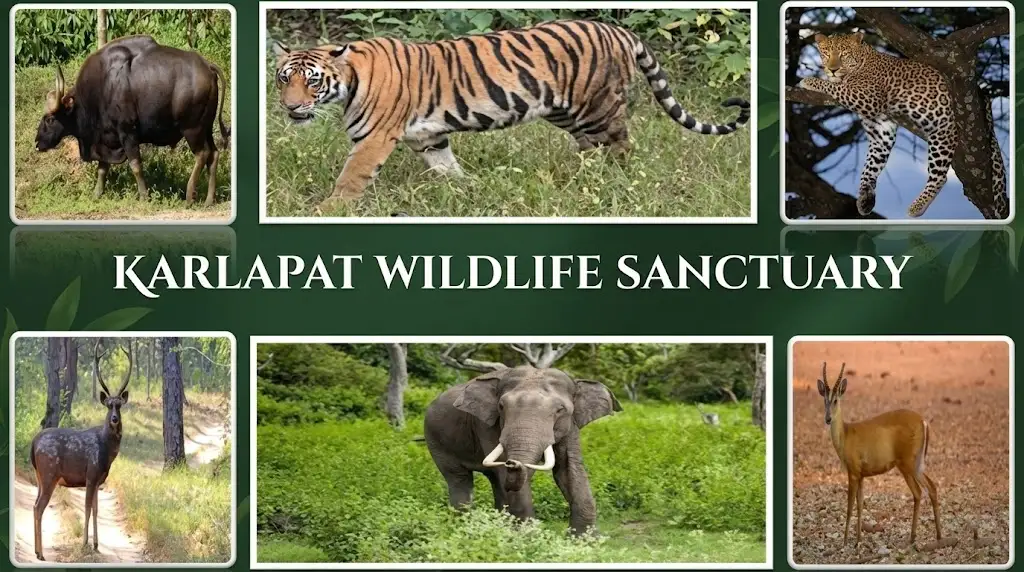
Karlapat Wildlife Sanctuary Odisha is known for its rich and diverse fauna
The sanctuary provides a vital habitat for several important species, making it ecologically significant.
Mammals
- Tiger
- Leopard
- Asian Elephant
- Gaur (Indian bison)
- Sambar deer
- Barking deer
- Mouse deer
These species thrive due to the sanctuary’s dense forests, water availability, and minimal human disturbance.
Other Fauna
Streams and water bodies support soft-clawed otters, while reptiles and amphibians inhabit rocky and wet zones. The sanctuary is also a paradise for birdwatchers, hosting peacocks and numerous forest bird species.
Flora
In addition to wildlife, Karlapat shelters rare orchids, medicinal plants, and diverse forest vegetation, reinforcing its importance as a biodiversity hotspot in Odisha.
Through conservation efforts, Karlapat plays a critical role in maintaining ecological balance in southern Odisha.Historical and Ecological Importance of Karlapat Wildlife Sanctuary
Historically, the forests of Karlapat have been part of the traditional landscape of Kalahandi, a region known for its tribal heritage and deep forest culture. These forests once served as natural corridors for wildlife movement across the Eastern Ghats.
Ecologically, Karlapat is crucial for watershed protection, forest regeneration, and climate stability. Streams originating here support nearby villages and agricultural lands, making conservation essential not only for wildlife but also for local livelihoods.My Personal Experience Visiting Karlapat Wildlife Sanctuary
Last monsoon, I visited Karlapat Wildlife Sanctuary Odisha with a group of friends, driven by a desire to reconnect with nature. The journey from Bhubaneswar was long, but as we approached Bhawanipatna, the changing landscape made every kilometre worthwhile.
Rain had freshly washed the forests, intensifying the green hues. As we entered the sanctuary, cool air and the earthy scent of wet soil surrounded us instantly. The silence felt powerful, broken only by distant bird calls.
We followed forest trails leading to Phurlijharan Waterfall, where the cascading water left us speechless. Sitting near the falls, sharing food, and simply observing nature strengthened our bond as friends.
During our walk, we spotted deer grazing quietly and noticed animal tracks along muddy paths. Although we didn’t see large predators, the awareness of their presence added thrill to the experience.
By the end of the day, the sanctuary had done something rare, it slowed us down mentally. We returned not just refreshed, but deeply grateful for such untouched wilderness still existing in Odisha.Best Time to Visit Karlapat Wildlife Sanctuary
- Monsoon (July–September): Lush landscapes and flowing waterfalls
- Post-Monsoon & Winter (October–February): Best weather for wildlife viewing and trekking
- Summer (March–June): Hot, but suitable for early-morning visits
People Also Ask – Answers to Common Questions
1. Where is Karlapat Wildlife Sanctuary located?
2. What animals are found in Karlapat Wildlife Sanctuary?
3. What is the best time to visit Karlapat Wildlife Sanctuary Odisha?
4. How far is Karlapat Wildlife Sanctuary from Bhubaneswar?
5. Is Karlapat Wildlife Sanctuary good for eco-tourism?
Conclusion
In conclusion, Karlapat Wildlife Sanctuary Odisha is a place where nature remains unfiltered and authentic. From dramatic landscapes and waterfalls to diverse wildlife and peaceful forests, it offers an experience that modern tourism often forgets.
If you seek silence over noise, forests over malls, and meaningful travel over rushed sightseeing, Karlapat welcomes you.